
Companion Plants
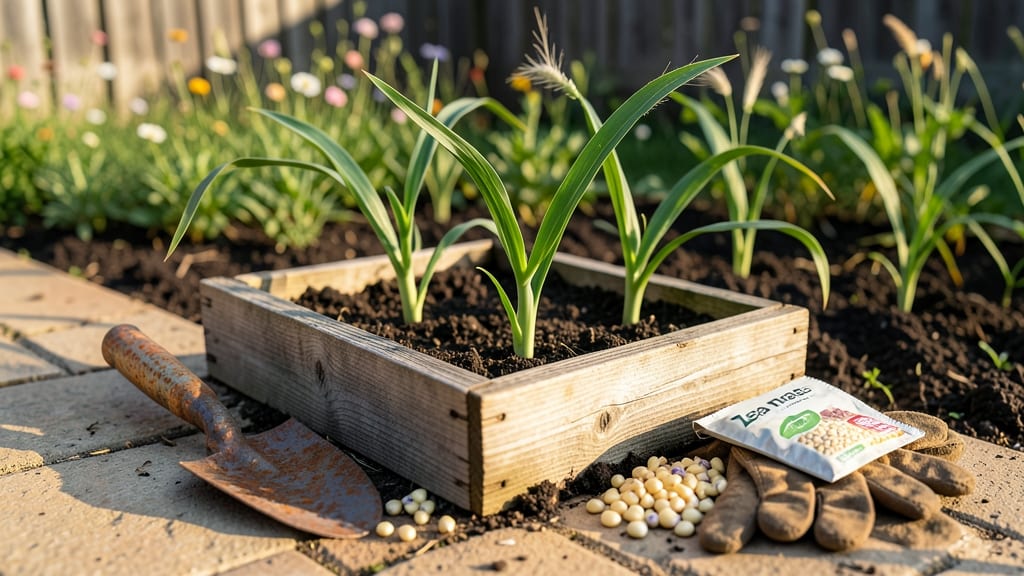
Timing your corn planting in Pennsylvania can make or break your harvest—get it wrong, and you might end up with stunted 🌽 or missed opportunities for sweet, juicy ears.
The best window for planting corn in PA typically falls between mid-April and mid-May, right after the last frost, but your exact timing depends on your hardiness zone (like 5b-7a) and local microclimates.
Why does this matter so much? Corn thrives when soil temperatures hit at least 60°F, and planting too early risks frost damage, while waiting too long can shorten the growing season before the first frost in October.
In Pennsylvania’s diverse climate, even a few weeks can mean the difference between a bountiful yield and wasted effort.
In this guide, I’ll break down the ideal planting dates for your specific zone, whether you’re growing short-season varieties like 'Ambrosia' or longer-season types like 'Silver Queen'.
You’ll also discover how to adjust for early or late varieties, spacing tips, and how to spot signs your timing might be off before it’s too late.
Ready to maximize your corn harvest? Let’s dive into the zone-specific strategies that will help you plant at the perfect moment for Pennsylvania’s growing conditions.
Best corn planting dates by Pennsylvania hardiness Zone (2024 guide)
Pennsylvania's USDA zones 5b-7a create a 6-week window for planting corn—missing it means risking frost damage or stunted plants. The ideal planting window spans from mid-April to mid-May, but exact dates depend on your specific zone and last frost date.
In northern PA (Zone 5b), you'll want to plant 2-3 weeks later than in southern PA (Zone 7a) to avoid early frost.
Corn seeds need soil temperatures above 60°F to germinate properly. Using a soil thermometer is key—planting too early in cold soil leads to poor germination and weak seedlings.
In most of PA, soil reaches this temperature by late April to early May, aligning with the last frost dates across the state. For example, Philadelphia (Zone 7a) typically sees its last frost around April 15, while Erie (Zone 5b) may wait until May 1.
Here’s how to calculate your personalized planting window:
- Check your local last frost date (use the Penn State Extension frost calculator)
- Wait 2-3 weeks after the last frost to plant 3.
Confirm soil temperature is consistently above 60°F for at least 5 days This ensures your corn has enough time to mature before the first frost in October.
For succession planting, PA gardeners can make 2-3 plantings spaced 2 weeks apart. This extends your harvest window from late July to October. However, avoid planting after June 15 in most zones, as corn needs at least 60-120 days to mature, depending on the variety.
🌽 Pennsylvania Corn Planting Guide by Zone
| Zone | Ideal Planting Window | Soil Temp Requirement | Last Frost Date | First Frost Date |
|---|---|---|---|---|
| 5b (Northwest PA) | May 1 - May 15 | 60°F+ | May 1 | October 15 |
| 6a (Central PA) | April 20 - May 5 | 60°F+ | April 25 | October 10 |
| 7a (Southeast PA) | April 10 - April 25 | 60°F+ | April 15 | October 5 |
🌱 Note: Adjust dates 1 week earlier for early-maturing varieties (e.g., 'Ambrosia') and 1 week later for long-season varieties (e.g., 'Silver Queen').
If you're in a microclimate, like a south-facing slope or near a large body of water, you can plant 1-2 weeks earlier than the zone average. These areas warm up faster in spring and may have later frost dates.
Conversely, valleys and shaded areas often experience frost 1-2 weeks later than surrounding regions, so delay planting until you're certain the risk has passed.
For container growing, which is less common but possible in PA, use large pots (at least 12 inches deep) and plant 1-2 weeks later than your in-ground schedule. Containers heat up faster, but they also cool down quicker in the evening, which can stress young plants.
Always place containers in a full-sun location and use black pots to absorb more heat.
One common mistake PA gardeners make is planting too late to account for drought stress in July and August. Corn is highly sensitive to water fluctuations during pollination (when silks emerge).
If you plant after June 1, your corn may struggle to mature before the first frost, especially in Zone 5b. To mitigate this, choose drought-tolerant varieties like 'Pioneer Brand 38W60' or use mulch to retain soil moisture.
To track your local planting progress, use these PA-specific milestones:
- April 1: Start seeds indoors (if using transplants)
- April 15: Begin hardening off seedlings (for Zone 7a)
- May 1: Plant outdoors in all zones (after last frost)
- June 15: Final planting date for most varieties
- July 15: Expect first harvests in Zone 7a
Remember, corn is wind-pollinated, so planting in blocks (not rows) ensures better pollination. For a 10-foot row, plant 3-4 plants per block spaced 12 inches apart. This setup
How to adjust planting dates for early vs. late corn varieties in PA
Choosing the right corn variety for Pennsylvania’s climate is just as important as timing. Short-season varieties like 'Ambrosia' thrive in cooler zones (5b-6a), while long-season types such as 'Silver Queen' need warmer zones (6b-7a). Your planting window shifts based on these differences—sometimes by weeks!
For early-maturing corn (60-70 days to harvest), start seeds indoors 4-6 weeks before your last frost date or direct sow in late April to early May. These varieties tolerate cooler soils and shorter growing seasons, making them ideal for northern PA.
Mid-season corn (70-90 days) bridges the gap, allowing flexibility. Plant outdoors mid-May to early June in most of PA, but adjust for soil temperature—wait until it hits 60°F or warmer for best germination. This category includes crowd-pleasers like 'Peaches and Cream'.
Long-season varieties (90+ days) demand warmer conditions and longer growing seasons. In southern PA (zones 6b-7a), you can direct sow late April to mid-May, but in cooler northern regions, wait until mid-May or June to avoid frost damage during tasseling.
🌽 Pro Tip: Use succession planting for a continuous harvest. Sow early varieties every 2 weeks from May to June, spacing them 4-6 inches apart in rows 30-36 inches wide. This extends your harvest window from late July to October.
Here’s how microclimates affect timing: South-facing slopes warm up faster, letting you plant 2-3 weeks earlier than in shaded or low-lying areas. In western PA’s warmer valleys, you might even squeeze in a second planting by early June for late-season varieties.
🌿 Warning: Avoid planting late-season corn too early—cool soils stunt roots, and late frosts can kill tender seedlings. Use row covers if nighttime temps dip below 50°F after planting to protect young shoots.
| Variety Type | Days to Maturity | Ideal Planting Window (PA) | Best For | Succession Planting? |
|---|---|---|---|---|
| Early (e.g., 'Ambrosia') | 60-70 | Late April–Early May | Cooler zones (5b-6a) | ✅ Yes (every 2 weeks) |
| Mid-season (e.g., 'Peaches and Cream') | 70-90 | Mid-May–Early June | Most of PA (5b-7a) | ✅ Yes (every 2 weeks) |
| Late (e.g., 'Silver Queen') | 90+ | Mid-May–June (warmer zones only) | Southern PA (6b-7a) | ❌ No (one planting) |
🌡️ Key Takeaway: Match your corn variety to your last frost date and growing season length. In northern PA, prioritize early-maturing types to avoid frost, while southern PA gardeners can experiment with longer-season varieties for bigger ears.