
Planting
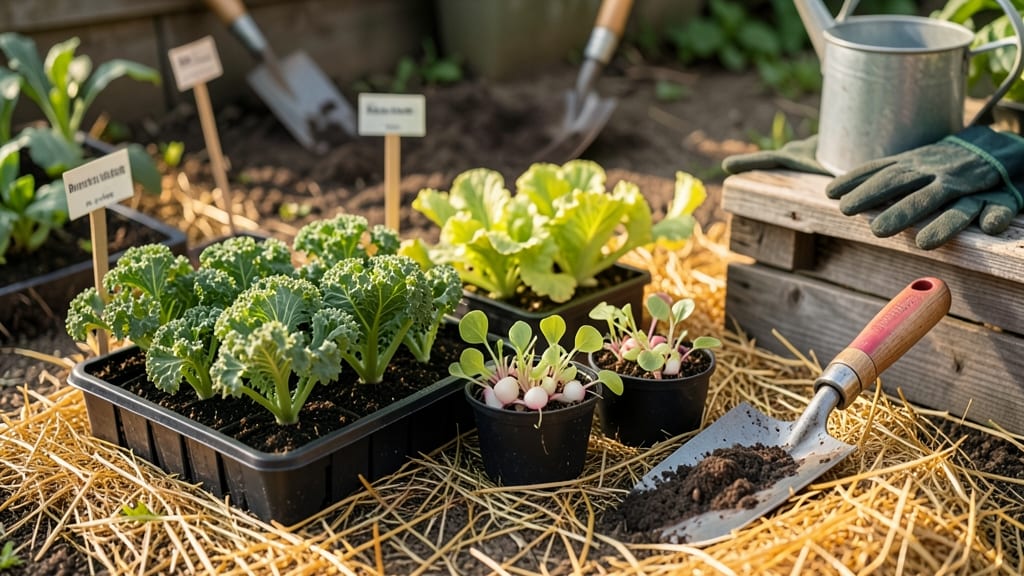
Planting a fall garden in Texas feels like walking a tightrope—one wrong move, and your 🥬 veggies either bolt from summer’s last heatwave or get nipped by an early frost.
The key isn’t guessing; it’s knowing your USDA zone and acting 6-8 weeks before your first frost, whether that’s mid-December in Zone 8a or November in Zone 10a.
I’ve seen Texas gardeners pull off stunning fall harvests by timing their seeds and transplants just right. The secret? Starting heat-loving crops like collards in early August while saving cooler-loving lettuce for September.
But here’s the catch: even a week too early can turn your garden into a sad, wilted mess.
In this guide, I’ll break down the exact planting windows for your heat zone—plus pro tips to adjust for Texas’ unpredictable weather. No more second-guessing whether to plant now or wait. Let’s get those fall veggies growing strong.
You’ll learn which crops thrive in your specific zone, how to prep soil for the shift from summer to fall, and even how to stretch your harvest with simple tricks. Ready to turn your Texas garden into a fall feast?
Texas fall planting calendar by heat Zone: when to start seeds vs. transplants
Texas’ 10 heat zones (A-F) create a puzzle for fall gardeners. Unlike northern states, our long growing seasons and unpredictable frost dates demand precision. Plant too early, and your lettuce bolts or broccoli flowers prematurely from summer’s lingering heat.
Plant too late, and a sudden frost ruins your harvest. The key? Align your planting with your USDA zone and first frost averages.
For example, in Zone 8a (North Texas), the first frost typically arrives around December 1, while Zone 10a (South Texas) might see frost as late as January 15.
This means your 60-day crops (like spinach or radishes) need to hit the soil by September 15 in Zone 8a but can wait until October 30 in Zone 10a. The stakes are high, but with the right timing, you’ll enjoy a bountiful fall harvest even in Texas’ extreme conditions.
| Zone | First Frost | Seed Start (Indoors) | Transplant Deadline | Direct Sow Deadline |
|---|---|---|---|---|
| A (South TX) | Jan 15 | Aug 15 | Oct 30 | Nov 15 |
| B (Deep South) | Dec 1 | Aug 1 | Oct 15 | Oct 30 |
| C (Central TX) | Nov 20 | Jul 15 | Sep 30 | Sep 15 |
| D (North Central) | Nov 10 | Jul 1 | Sep 15 | Aug 30 |
| E (Panhandle) | Oct 30 | Jun 15 | Aug 15 | Aug 1 |
*Deadlines assume average conditions; adjust for microclimates.
Let’s break down the seed-starting vs. transplanting rules. For cool-season crops like kale or carrots, I recommend starting seeds 6-8 weeks before transplanting. In Zone 8a, that means sowing seeds by July 15 for transplants by September 1.
But in Zone 10a, you can wait until August 15 for seeds and October 1 for transplants. Direct-sowing crops (like radishes or turnips) have even tighter windows—plant them 4-6 weeks before your first frost.
Pro tip: Use shade cloth (30-50%) if planting in late summer to protect young seedlings from bolting. For example, in Zone 9a (Austin), I cover my lettuce seedlings with shade cloth until soil temps drop below 85°F.
This buys me an extra 2-3 weeks of safe growth before the heat becomes lethal.
Don’t overlook microclimates—your garden’s sun exposure, wind patterns, and soil type can shift planting dates by 1-2 weeks. For instance, a north-facing bed in Zone 8a might stay cool enough for spinach until October 15, while a south-facing bed could bolt by September 30.
Always scout your space before planting.
For heat-tolerant crops like collard greens or sweet potatoes, you can push the envelope. In Zone 10a, I’ve successfully planted sweet potato slips in July and harvested by December.
But for delicate greens like arugula or mache, stick to the 6-8 week rule—they’ll bolt faster in Texas heat.
Mark your calendar with these critical deadlines:
How to adjust planting dates for Texas’ unpredictable weather patterns
Texas’ fall weather can be as unpredictable as a summer storm—one week of 90°F heat followed by a 50°F chill. To beat this, I adjust planting dates based on local microclimates and soil temperature.
For example, gardeners in Zone 9B might push broccoli seeds into the ground by mid-August, while Zone 8A gardeners wait until late August to avoid bolting.
Start by checking soil temps—most cool-season crops thrive when soil is between 60°F and 75°F. Use a soil thermometer or dig a hole to test depth. If your soil is still 80°F+, opt for heat-tolerant varieties like Malabar spinach or Southern peas to buy time.
Here’s my go-to trick: Use black plastic mulch or straw bales to warm soil faster in early August. This lets me plant heat-sensitive crops like lettuce or radishes 2–3 weeks earlier. Just remove the mulch once nighttime temps drop below 75°F to prevent overheating.
- Shade cloth: Use 30–50% shade over seedlings to protect from late-summer sun while allowing light for growth.
- Row covers: Lightweight fabric buys 2–4 weeks of frost-free growth. Secure edges to avoid heat buys.
- Drip irrigation: Keep soil consistently moist to prevent stress during heat spikes or drought.
- Succession planting: Sow small batches every 2 weeks (e.g., carrots, beets) to stagger harvests past frost.
- Cold frames: For Zone 8A–9A, use mini greenhouses to plant spinach or kale as early as September 15.
Don’t ignore microclimates—your north-facing bed might stay 10°F cooler than the south side. I once grew cabbage in a shady corner until October 15 while my sunny beds froze by October 1. Use a weather station or even your phone’s temperature app to track differences.
When in doubt, consult your local AgriLife Extension office. They provide free frost date forecasts and heat zone maps tailored to your county. For example, Houston (Zone 8B) averages its first frost on November 20, while El Paso (Zone 8A) sees frost by October 25.
Adjust your timeline accordingly!
Finally, monitor your plants daily after planting. If leaves yellow or wilt in the afternoon, it’s a sign of heat stress. Provide afternoon shade or extra water immediately to keep them on track for a fall harvest. 🌱