
Flowers
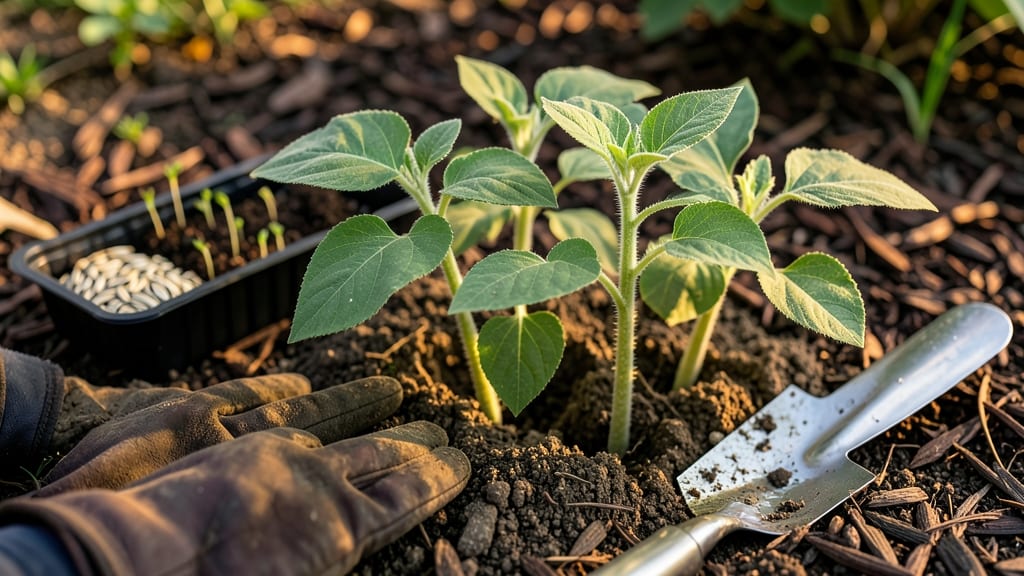
The best time to plant sunflowers in Florida isn’t just about avoiding frost—it’s about beating the brutal summer heat that can turn your 🌻 into a sad, wilted stalk. Florida’s year-round growing season gives you flexibility, but timing matters more than you think. Plant too early in the heat, and your sunflowers will bolt before blooming; too late, and they’ll struggle to mature before the next scorching wave hits.
Most Florida gardeners swear by planting sunflowers in late winter or early spring—think February through April—as the sweet spot. This gives them 60-90 days of ideal growing conditions before summer’s relentless sun peaks.
But here’s the catch: Northern Florida (zones 8a-9a) can handle slightly earlier plantings, while South Florida (zones 10a-11) might even squeeze in a fall planting for a winter harvest.
Why does this matter? Because sunflowers are heat-sensitive—they’ll bolt (go to seed too fast) if stressed by extreme temperatures. The key is matching your planting window to your sunflower variety and your specific Florida microclimate.
Whether you’re in Tampa, Tallahassee, or Miami, I’ll break down the exact months that work best for your region—and the varieties that actually thrive here.
Ready to grow sunflowers that reach 10 feet tall without wilting? Let’s dive into the science behind Florida’s planting windows, the heat-resistant varieties that perform best, and the little tricks that’ll keep your sunflowers happy all season long.
Optimal Florida sunflower planting months by region (North vs. Central vs. South)
Florida’s climate varies dramatically from north to south, so timing is everything for sunflower success. In North Florida (USDA Zones 8a-8b), like Tallahassee or Gainesville, cooler winters and occasional light frosts (rare but possible) mean you’ll want to plant early.
Meanwhile, Central Florida (Zones 9a-9b), including Orlando and Tampa, enjoys milder winters, while South Florida (Zones 10a-11), like Miami and Key West, can plant year-round with no frost risk.
For North Florida, aim for mid-February to early April to avoid spring heatwaves. Central Florida gardeners have a wider window (January to May), while South Florida can plant anytime except peak summer (June-August) when heat stress spikes.
The key is soil temperature—sunflowers germinate best when soil is at least 55°F (13°C).
Here’s the breakdown: North Florida’s last frost date is typically mid-March, so plant 4-6 weeks before to ensure sprouting. Central Florida’s frost risk is minimal, but avoid planting in July-August when temperatures often exceed 95°F (35°C). South Florida’s year-round planting flexibility means you can grow sunflowers as fall/winter crops for cooler blooms.
If you’re in North Florida, consider pre-sprouting seeds indoors in late January to get a head start. For Central and South Florida, focus on spring (March-May) or fall (September-November) plantings.
Fall-planted sunflowers often bloom larger because they escape summer’s harshest heat. Pro tip: Use a soil thermometer to confirm germination readiness—55°F (13°C) is non-negotiable.
For container gardening, Florida’s heat means larger pots (10+ gallons) are ideal to prevent root stress. Dwarf varieties like ‘Teddy Bear’ thrive in pots, while tall varieties need deep soil and staking.
In South Florida’s humidity, watch for powdery mildew—space plants 24+ inches apart for airflow. Mulch heavily to retain moisture and regulate soil temp.
One common mistake is planting sunflowers in late summer (August-September), assuming the heat won’t bother them. While they can tolerate heat, bolting (premature flowering) becomes likely in 90°F+ (32°C+) temps. Instead, opt for fall planting—you’ll get healthier stems and bigger blooms before winter rains set in.
Florida’s hurricane season (June-November) also affects planting. If a storm is forecast, delay planting until after to avoid wind damage to young seedlings. For emergency planting, use row covers to protect sprouts. Timing isn’t just about months—it’s about microclimates.
A shady spot in Tampa may need a later planting date than a sun-drenched Miami garden.
For maximum height and seed production, aim for 90-100 days of growth before Florida’s first frost (if applicable). In North Florida, this means planting by late July at the latest for a fall harvest.
In South Florida, you can push it to early October for winter blooms. Track your local frost dates (even if rare) using the National Weather Service or Florida Climate Center.
Finally, don’t overlook soil prep. Sunflowers hate soggy soil, so amend clay-heavy Florida soil with compost or sand for drainage. A pH of 6.0-7.0 is ideal. Test your soil in late winter to give it time to adjust before planting.
With the right timing, your Florida sunflowers can reach 12+ feet tall—taller than your neighbor’s palm trees!
Optimal Florida sunflower planting months by region (North vs. Central vs. South)
Florida’s climate varies dramatically from North to South, so planting times must adapt. In North Florida (USDA Zones 8a-8b), like Jacksonville or Tallahassee, cooler winters mean you can start seeds indoors as early as January for outdoor planting by February.
Meanwhile, Central Florida (Zones 9a-9b), including Orlando and Tampa, enjoys frost-free winters, allowing year-round planting with peak success from March to September.
For South Florida (Zones 10a-11), like Miami or Fort Lauderdale, the ideal window stretches from September to November or January to March to avoid summer’s brutal heat. Planting in late spring (May-June) risks bolting, while summer planting often leads to heat stress or poor germination due to soil dryness.
Here’s the breakdown of optimal planting windows tailored to Florida’s three regions, including key factors like soil temperature and frost risk:
| Region | Best Planting Months | Soil Temp for Germination | Frost Risk | Avoid Planting |
|---|---|---|---|---|
| North Florida (Zones 8a-8b) | February–March, September–October | 60–70°F (15–21°C) | Low (occasional frost) | June–August (heat stress) |
| Central Florida (Zones 9a-9b) | March–May, September–November | 65–75°F (18–24°C) | None (frost-free) | June–July (extreme heat) |
| South Florida (Zones 10a-11) | September–November, January–March | 70–80°F (21–27°C) | None | April–May (bolt risk) |
In North Florida, aim for February–March to capitalize on cooler temperatures and longer daylight hours. For Central Florida, March–May is ideal, while South Florida gardeners should focus on September–November to escape summer’s intensity.
Pro tip: Use black plastic mulch in warmer months to raise soil temperature for faster germination.
Regardless of region, always plant seeds 1 inch deep and space them 6 inches apart, thinning to 12–24 inches as they grow. This spacing prevents overcrowding and ensures each plant gets enough sunlight and nutrients.
For container growing, use large pots (at least 12 inches deep) and plant 1–2 seeds per container. Containers dry out faster, so monitor soil moisture closely during Florida’s dry season (November–April).