
Plants
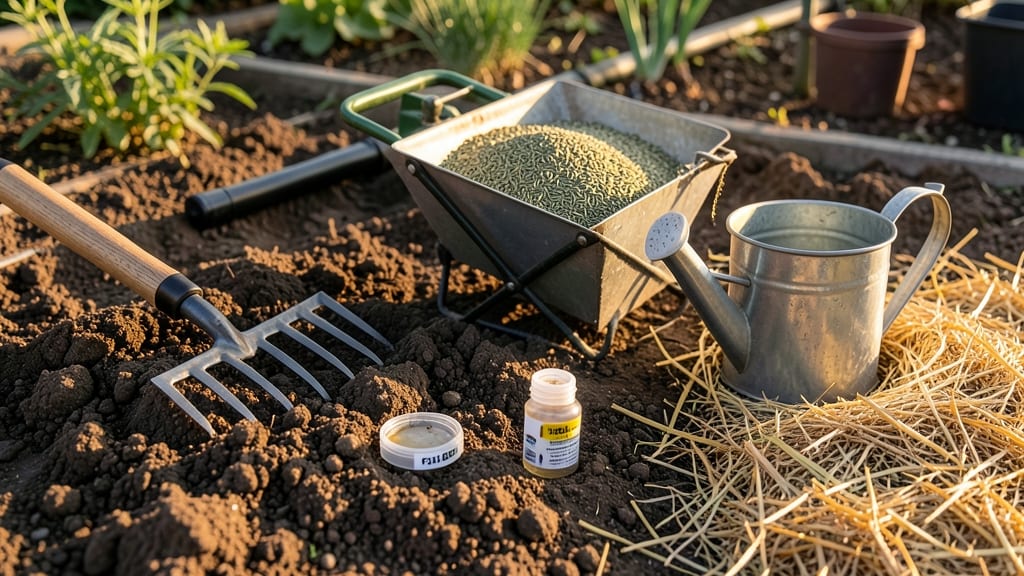
If you’ve ever stared at a patchy lawn wondering when is the best time to plant grass seed in Connecticut, you’re not alone—timing makes all the difference between a lush carpet of green and a frustrating struggle.
Connecticut’s 5B-6A climate demands precision, and planting too early or late can leave your 🌱 vulnerable to frost, drought, or weeds.
The secret lies in two narrow windows: early spring (March-April) or early fall (August-September), when soil temperatures and moisture align perfectly for germination. Skip these windows, and you risk slow growth, thin coverage, or even wasted seed.
But here’s the good news: with the right prep and care, you can transform your yard into the envy of the neighborhood.
I’ll break down exactly what to do—from testing your soil to choosing the right seed variety for Connecticut’s unpredictable weather. Whether you’re seeding a new lawn or repairing bare spots, these steps will help you avoid common mistakes and get results that last. Let’s get started.
Ready to ditch the guesswork? The best time to plant isn’t just about the calendar—it’s about understanding your lawn’s unique needs. By the end of this guide, you’ll know exactly when to act, what to plant, and how to keep your grass thriving year-round.
Optimal planting windows for Connecticut grass seed: spring vs fall timeline
Connecticut’s USDA Zones 5B-6A create a unique challenge for lawn lovers—cool springs and chilly falls can make grass seed planting tricky. But don’t worry: timing is everything!
The best times to plant grass seed in Connecticut are early spring (March-April) and early fall (August-September), when soil temperatures hover between 50°F-65°F—perfect for cool-season grasses like Kentucky bluegrass and tall fescue.
Fall planting is often the gold standard for Connecticut lawns because cooler air and warm soil create ideal conditions for deep root growth before winter. However, spring planting can work if you act quickly after the last frost date (mid-April) and keep seeds moist during dry spells.
Let’s break down the pros and cons of each window to help you decide.
📅 Spring Planting (March-April) gives your lawn a head start, but watch out for late frosts or drought stress that can derail germination. 📅 Fall Planting (August-September), on the other hand, allows seeds to establish roots before winter dormancy, resulting in a thicker, more resilient lawn by spring.
| Season | Best Months | Soil Temp | Pros | Cons |
|---|---|---|---|---|
| Spring | March–April | 50–60°F | Early growth, avoids summer heat | Late frost risk, drought stress |
| Fall | August–September | 55–65°F | Deep root growth, fewer weeds | Limited time before frost |
For spring planting, aim to sow seeds 4-6 weeks before the last expected frost (typically mid-April in Connecticut). Start with a soil temperature check—use a soil thermometer to confirm it’s above 50°F. If temperatures dip below 40°F at night, cover seeds with straw mulch to protect them.
Fall planting offers a longer window—ideally, plant 4-6 weeks before the first frost (usually mid-October). This gives seeds time to germinate and establish roots before winter dormancy. September is often the sweet spot, as daytime temperatures remain warm while nights cool down.
Regardless of season, avoid planting in extreme heat or cold. Summer planting (June-August) can stress seeds, while winter planting (November-March) risks frost damage. Connecticut’s variable weather makes timing critical—always check the Connecticut Agricultural Experiment Station’s frost predictions for the most accurate local data.
Pro tip: If you miss the ideal windows, late summer (July) can work for tall fescue, which tolerates heat better than other cool-season grasses. Just be prepared for increased watering to keep seeds moist during hot spells.
Ready to dive deeper? Next, we’ll cover how to prepare your Connecticut lawn for planting—soil testing, weed control, and the perfect pre-seeding routine to set your grass up for success. 🌱
Optimal planting windows for Connecticut grass seed: spring vs fall timeline
Connecticut’s USDA Zones 5B-6A create a unique challenge for lawn lovers—cool summers and chilly winters demand precise timing for grass seed success. The best planting windows are early spring (March-April) and early fall (August-September), but each season offers distinct advantages.
Spring planting lets you beat summer heat, while fall provides cooler temps and fewer weeds—both critical for root establishment.
Fall is often the superior choice for Connecticut gardeners because seeds germinate in warm soil while air temps cool, reducing stress. However, spring planting works if you act 4-6 weeks before the last frost (typically mid-April).
The key is soil temperature: aim for 50-65°F—too cold delays germination, while too-hot soil can scorch seeds.
| Season | Ideal Months | Soil Temp | Key Advantages | Potential Risks |
|---|---|---|---|---|
| Spring | March-April | 50-65°F | Early growth before weeds compete; longer daylight hours | Weed competition; summer drought stress |
| Fall | August-September | 55-65°F | Cooler air reduces stress; fewer weeds; strong root growth | Early frost risk if planted too late |
For spring planting, start in late March when soil thaws but before weeds explode. Use a soil thermometer to confirm temps—if it’s below 50°F, wait. In fall, aim for late August to mid-September to allow 4-6 weeks of growth before first frost (usually mid-October).
Pro tip: Test your soil first—Connecticut’s clay-heavy soils often need compost or sand for better drainage.
Missed the window? Late summer (July) is a backup option, but success depends on consistent watering to combat summer heat. Avoid planting in October or winter—seeds won’t germinate in cold soil, and frost will kill new sprouts. Always check the Connecticut Agricultural Experiment Station’s frost dates for real-time updates.
Remember, cool-season grasses (like Kentucky bluegrass) dominate CT lawns, so choose varieties labeled for Zone 5-6. These thrive in fall’s mild temps and spring’s longer days. With the right timing, your lawn will outpace weeds and establish deep roots—no more patchy, weak grass! 🌱