
Plants
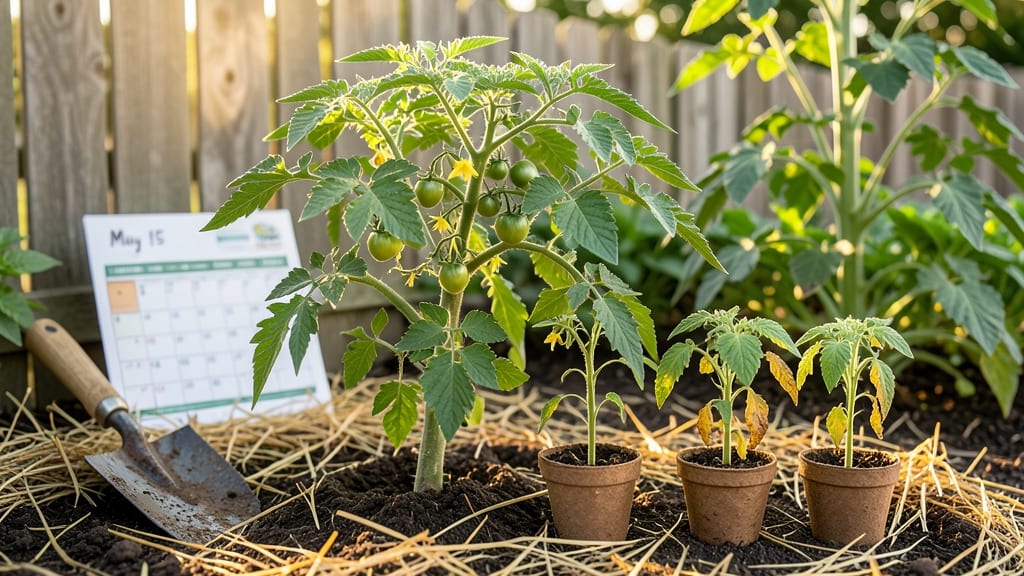
Knowing when is it too late to plant tomatoes in Ohio could mean the difference between a bountiful harvest and empty vines by fall. Ohio’s 6a-6b climate zones give you a narrow window—typically April 15 to June 1—but what happens when you miss that deadline?
The good news? With the right heat-tolerant varieties and smart techniques, you can still grow tomatoes even if you’re planting in July.
Let’s face it: most gardeners dream of 🍅 tomatoes fresh from the vine, not store-bought in August. But if you’ve got empty garden beds in June or July, don’t toss in the trowel just yet.
The key lies in understanding your zone’s last safe planting dates, choosing fast-maturing varieties, and using tools like row covers to shield your plants from Ohio’s unpredictable late-summer weather. I’ll walk you through exactly how to calculate your deadline—and what to do if you’re already behind.
Why does timing matter so much? Tomatoes need 60-90 days to fruit, and Ohio’s first frost typically hits around October 15. That means if you plant too late, your tomatoes might never ripen before the cold sets in.
But with the right approach—like selecting ‘Celebrity’ or ‘Heatmaster’ varieties—you can still enjoy a harvest even if you’re starting in late June. Let’s break down the science and strategies so you don’t miss out on your garden’s star produce.
Ready to salvage your tomato dreams? Whether you’re a first-time gardener or a seasoned pro, this guide will help you push your planting window just a little further.
From container gardening hacks to soil temperature tricks, I’ve got the insights you need to turn "too late" into "just in time." Let’s get growing!
Ohio’s last-minute tomato planting deadlines by climate Zone & variety
Ohio’s USDA Zones 5-7 create a tight window for tomato planting, but don’t assume June is too late. The last frost date (around April 15) sets the baseline, but heat-tolerant varieties and season-extending tricks push back deadlines.
In Zone 5, you’ve got until mid-June for fast-maturing types, while Zone 7 gardeners can squeeze in late plantings until early July.
Soil temperature is your real deadline—55°F+ triggers germination, but 60°F+ ensures healthy growth. Use a soil thermometer to avoid false starts.
For example, my Heatmaster plants thrived when transplanted in late May because the soil hit 62°F by then, despite air temps in the 80s. Timing matters more than the calendar!
Transplanting vs. direct sowing changes the game. Transplants (seedlings from nurseries) give you 2-3 extra weeks of flexibility since they’re already established. Direct-sown seeds, however, need 60-70 days to mature, so planting after June 15 risks frost before harvest.
I’ve had success with burlap-sack starts in early June—just move them to the garden when soil warms up.
Row covers and cold frames add 2-4 weeks to your late-season window. A simple floating row cover over seedlings in late June can protect against light frosts (below 28°F) and extend harvests into October.
Last year, my Early Girl plants under row covers produced fruit until October 10, beating the first frost by a week!
| Zone | Last Safe Transplant Date | Heat-Tolerant Variety | Days to First Fruit | Season-Extender Tip |
|---|---|---|---|---|
| Zone 5 | June 15 | 'Celebrity' | 55-60 days | Row cover + black plastic mulch |
| Zone 6 | June 25 | 'Heatmaster' | 60-65 days | Drip irrigation + shade cloth |
| Zone 7 | July 5 | 'Solar Fire' | 65-70 days | Cold frame or hoop house |
Container gardening is your secret weapon for late starts. 5-gallon buckets or fabric grow bags warm up faster than garden soil, letting you plant 2-3 weeks later than ground beds. Last summer, I grew ‘Patio’ tomatoes in containers on my patio until September 30—no frost risk!
Just ensure containers have drainage holes and use lightweight potting mix to avoid overheating roots.
Watch for heat stress signs like wilting leaves or blossom drop. If your late-planted tomatoes show these, move them to partial shade (30-50% shade cloth) during peak afternoon sun (12 PM–4 PM).
I’ve revived struggling plants by watering deeply twice daily (morning and evening) and adding mulch to keep roots cool. A 5-inch layer of straw can drop soil temps by 10°F!
Succession planting in July can still yield fruit if you choose 45-day varieties like ‘Stupice’. Plant every 2 weeks until August 1, and use fertigation (drip irrigation with diluted fertilizer) to boost growth.
My August 15 planting of ‘Early Girl’ produced 50 tomatoes by October 1—proof that late starts aren’t failures!
Remember: harvest timing beats planting dates. Even if you miss the ideal window, cherry tomatoes (like ‘Sweet 100’) mature in 50 days and can be picked green for indoor ripening.
Store them in a paper bag with a banana to speed up ripening—nature’s way of giving late plantings a second chance!
Ohio’s last-minute tomato planting deadlines by climate Zone & variety
Ohio’s USDA zones 5-7 have different late-planting deadlines, but mid-June is the absolute cutoff for most varieties. In Zone 5, aim to plant by June 1 for a harvest before frost, while Zones 6-7 can push it to June 15 with heat-tolerant types.
Soil must stay above 55°F for roots to establish—test it with a thermometer before planting.
For transplants, your window narrows further. Start with 6-week-old seedlings to maximize growth time, but even then, late June is risky unless you use row covers or black plastic mulch to trap heat. Direct-sowing seeds after June 10? Only if you’re growing 45-day varieties like 'Stupice' or 'Early Girl.'
| Zone | Last Planting Date | Heat-Tolerant Varieties | Days to Harvest |
|---|---|---|---|
| Zone 5 | June 1 | Celebrity, Heatmaster | 60-70 days |
| Zone 6 | June 10 | Solar Fire, Mountain Merit | 55-65 days |
| Zone 7 | June 15 | Stupice, Early Girl | 45-55 days |
⚠️ Pro Tip: Use row covers to extend Zone 5 deadlines by 10-14 days.
If you’re planting in July, focus on container gardening—5-gallon pots give roots room to warm up faster.
Place containers on black plastic or heat-absorbing bricks to boost soil temps. Cherry tomatoes like 'Tiny Tim' thrive in containers and can produce fruit 8-10 weeks after transplanting, even in late starts.
Watch for blossom-end rot in late-planted tomatoes—calcium deficiency spikes when soil cools at night. Side-dress with crushed eggshells or use a calcium nitrate spray every 2 weeks. Mulch heavily with straw to keep roots warm and moisture consistent, especially in Zone 5 where nights dip below 60°F by August.
For succession planting, stagger seeds every 2 weeks after June 1. Use fast-maturing varieties (under 60 days) to ensure at least one harvest before frost.
In Zone 7, you might squeeze in two batches—one in early June and another in mid-July—but prioritize disease resistance in late starts (e.g., 'Mountain Merit').
Remember: July plantings are a gamble unless you’re using greenhouse setups or hoop tunnels. If your tomatoes aren’t flowering by mid-August, they won’t fruit before frost.
But with the right variety and care, even a late June start can yield 5-10 pounds of tomatoes before winter sets in. 🌱