
Plants
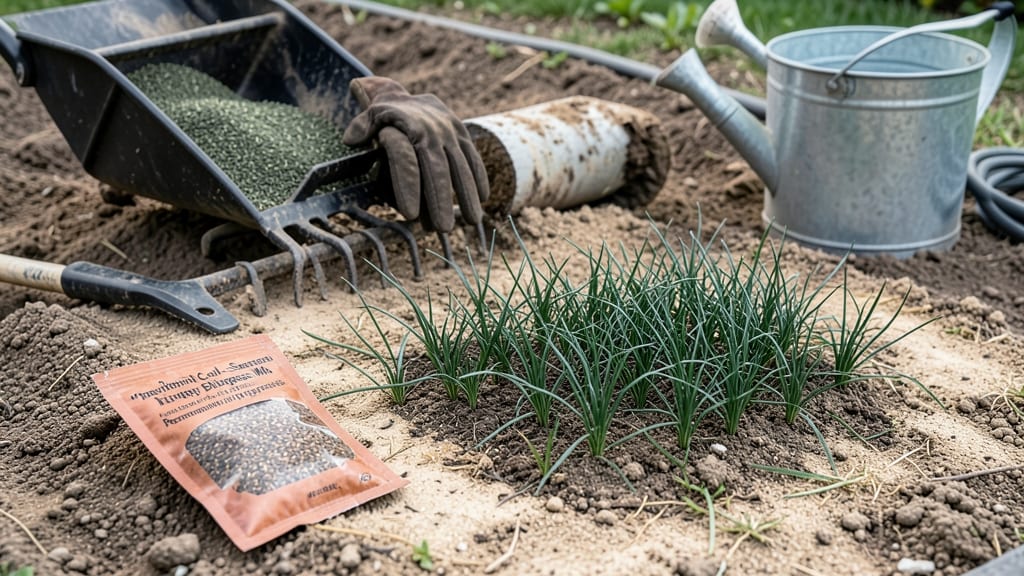
Planting your grass seed at the wrong time in spring can turn your lawn dreams into a patchy nightmare—especially in Zone 6a where frost lingers until mid-April.
Getting the timing right isn’t just about avoiding frost; it’s about giving your 🌱 grass the perfect window to establish strong roots before summer heat sets in.
Most gardeners assume "spring" means anytime after March, but that’s where they go wrong. The 4-6 week rule before your last frost date is your golden ticket—whether that’s early March in warmer zones or late April in cooler climates like yours.
Miss this window, and you risk washed-out seeds or stunted growth.
I’ll break down exactly how to sync your planting with your local climate, plus the 3 critical soil prep steps that make all the difference. No more guessing—just a lush, green lawn that starts with the right timing.
Ready to transform your yard? Let’s dive into the science behind spring planting so you can skip the trial-and-error and get it right the first time.
USDA Zone-specific spring planting deadlines for grass seed
Getting your grass seed in the ground at the right time is the first step to a lush, healthy lawn. But with USDA zones spanning from Alaska’s Zone 1 to Florida’s Zone 11, timing varies dramatically.
I’ll break down the best planting windows by zone, so you can avoid frost damage and maximize germination.
Most gardeners aim to plant 4-6 weeks before the last frost date in spring. However, this rule changes depending on your climate zone. For example, cool-season grasses like Kentucky Bluegrass thrive when planted in early spring (March-April), while warm-season grasses like Bermuda Grass prefer late spring (May-June).
Here’s a quick guide to help you pinpoint the best time in your area:
| USDA Zone | Ideal Planting Window | Key Considerations |
|---|---|---|
| Zones 1-3 (Alaska, Northern Canada) | Late May to early June | Wait until soil warms to 50°F; frost risk is high. |
| Zones 4-6 (Northern U.S., Midwest) | Early April to mid-May | Plant cool-season grasses 4-6 weeks before last frost. |
| Zones 7-9 (Southern U.S., Pacific Northwest) | Late March to early May | Avoid planting too early in Zone 9—soil stays cool longer. |
| Zones 10-11 (Florida, California, Hawaii) | August to September (fall) or late spring | Warm-season grasses dominate; spring planting works but requires irrigation. |
In Zones 4-6, where I live, I always plant Kentucky Bluegrass in early April. The soil is workable, and the risk of late frost is low. However, if you’re in Zone 9 or 10, planting in spring can stress the grass—opt for fall planting instead for better results.
One common mistake is relying solely on calendar dates. Instead, use a soil thermometer to check for 50-65°F soil temps, which is the ideal range for germination. In my experience, this method is far more reliable than guessing by month.
Regional exceptions matter too. For example, the Pacific Northwest has cooler springs, so planting in late April is safer than March. Meanwhile, in the Deep South, early spring planting can lead to fungal diseases due to warm, humid conditions.
If you’re unsure about your last frost date, check the USDA Plant Hardiness Zone Map or ask your local cooperative extension service. They provide hyper-local advice that generic guidelines can’t match.
Once you’ve nailed the timing, the next step is soil preparation. Loosen the top 4-6 inches of soil, remove debris, and level the area for even seed distribution. This ensures your grass seed makes solid contact with the soil, which is critical for germination.
Remember, the goal is to give your grass a strong start. Planting at the right time—whether it’s early spring in cold zones or late spring in warm zones—sets the stage for a thick, resilient lawn all season long. 🌱
How to adjust planting time for your local microclimate
Your local microclimate can shift the ideal spring grass seed planting window by weeks—even if you’re in the same USDA zone as your neighbor. Factors like urban heat islands, high-altitude chill, or coastal breezes create unique conditions that calendar dates ignore.
For example, a city lawn might bake in March heatwaves while nearby suburbs still see frost.
Instead of relying solely on last frost dates, I always check soil temperature—the real game-changer. Grass seeds need soil that’s consistently 50-65°F for 5+ days before planting. A soil thermometer ($10 at garden centers) gives you the truth, not just a weather app’s frost prediction.
Pro tip: Morning soil temps are cooler, so check in the afternoon for accuracy.
Here’s how to tweak timing for common microclimates:
- Too Early: Seeds rot in cold, wet soil (below 50°F) or get fried by unpredictable spring heatwaves.
- Too Late: Summer drought stress or competition from weeds stunts growth before roots establish.
High-altitude areas (like Denver or Colorado Springs) often have cooler soil temps than their USDA zone suggests. I’ve seen Zone 6 gardens where soil stays below 50°F until mid-April, while lowland areas hit 60°F by March.
For these spots, wait until mid-to-late spring (May in some cases) unless you’re planting cool-season grasses like fescue.
Coastal regions present another challenge: salty air and foggy mornings can delay soil warming. In Pacific Northwest zones (7-9), I’ve planted tall fescue as early as February because the ocean moderates temps, but always verify with a soil test.
If your area gets marine layer fog, push planting to late March to avoid seed mold from prolonged dampness.
Urban heat islands can be just as tricky. Asphalt and concrete absorb heat, making city soils 10-15°F warmer than rural areas. If your lawn sits near parking lots or rooftops, test soil temps in multiple spots—some areas may be ready 3 weeks earlier than your zone’s average.
For these hotspots, consider shade-tolerant grasses like fine fescue to reduce stress.
Finally, don’t ignore moisture patterns. A dry spring (like 2023’s Southwest drought) means seeds need extra irrigation, so plant when rainfall is forecasted or you’re prepared for daily watering.
In wet springs (common in the Pacific Northwest), delay planting until the ground isn’t soggy for 3+ days—or risk seed rot.