
Plants
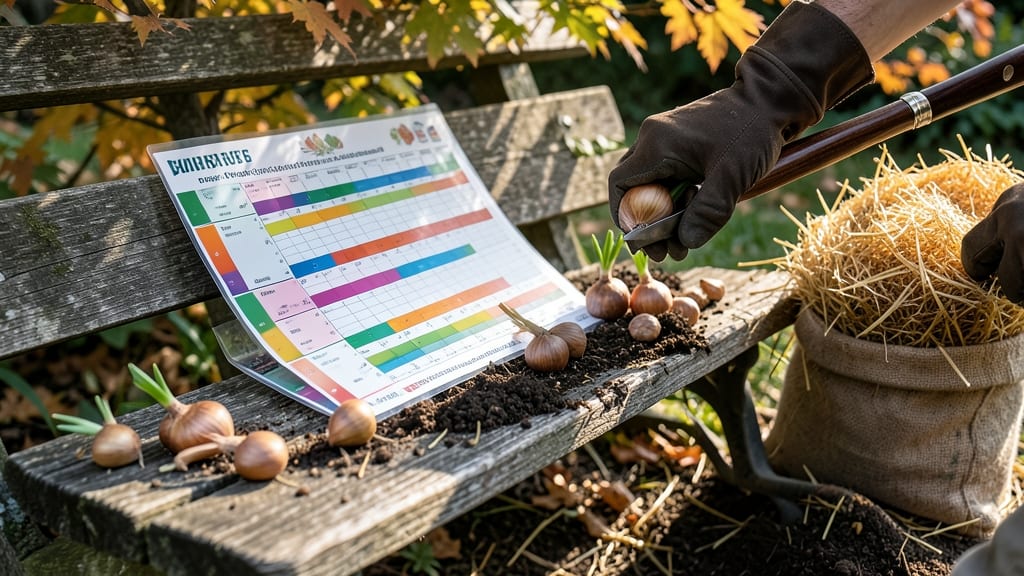
Planting tulips in New York at the wrong time could mean watching your 🌷 bulbs freeze before they even bloom. But timing it just right—between October and November—gives your tulips the perfect head start for vibrant spring blooms, even in zone 6a winters.
Why does timing matter so much? New York’s unpredictable frost patterns mean planting too early or too late can leave your tulips vulnerable. The key is getting those bulbs in the ground 4-6 weeks before the first hard frost, usually by late October.
This ensures roots establish before winter sets in.
I’ll walk you through the exact steps to plant tulips for zero-frost success, from soil prep to bulb depth, plus how to adjust for New York’s regional quirks—like NYC’s urban heat islands versus Upstate’s colder snaps.
Ready to outsmart the weather and grow tulips that thrive year after year? Let’s dive into the most foolproof planting schedule for your garden.
Best months to plant tulip bulbs in New York for frost-free blooms
New York’s USDA Zones 5–7 demand precision when planting tulips—get it wrong, and you risk frost damage or weak blooms. The ideal window is October through early November, but timing varies by region.
For example, NYC’s Zone 7b can plant later (mid-November), while Buffalo’s Zone 6a needs bulbs in by late October. The key? Plant when soil temps hit 50–60°F and 6 weeks before ground freezes.
Why this timing? Tulip bulbs need 4–6 weeks of cool soil to root before winter dormancy. Planting too early (like September) risks rot, while late planting (December) leaves bulbs vulnerable to early frosts.
In Upstate New York (Zones 5–6), aim for mid-October; in Long Island or Westchester (Zone 7), stretch to early November. Always check your local last frost date—NY’s ranges from October 31 (Buffalo) to November 15 (NYC).
Here’s the golden rule: Bulbs should root but not sprout before winter. Use a soil thermometer to confirm temps are below 60°F before covering with mulch. In warmer microclimates (e.g., Hudson Valley), wait until late October; in colder areas (e.g., Adirondacks), plant by mid-October.
Pro tip: Adjust for weather forecasts—if a heatwave lingers into October, delay planting.
🌱 New York Tulip Planting Timeline by Zone
| Zone | Ideal Planting Month | Soil Temp | Last Frost Date |
|---|---|---|---|
| 5 (Northern NY) | Mid-October | 50–55°F | October 20–31 |
| 6 (Upstate, Rochester) | Late October | 55–60°F | October 31–November 5 |
| 7 (NYC, Long Island) | Early November | 60–65°F | November 1–15 |
🌡️ Note: Use a soil thermometer to verify temps—bulbs need 4–6 weeks to root before frost.
Myth-busting time: Spring planting won’t work in New York. Tulips need cold stratification to bloom, so fall planting is non-negotiable. That said, you can plant in early December if soil is workable, but bulbs may not establish roots in time.
For container gardening, plant 2 weeks earlier—pots cool faster than in-ground soil. Always choose dwarf varieties (like ‘Tiny Star’) for containers to prevent toppling in wind.
Soil prep is half the battle. Tulips hate soggy soil—amend clay-heavy NY gardens with compost or sand to improve drainage. Work in 2–3 inches of compost and a slow-release bulb fertilizer (like 5-10-10) at planting.
In urban areas with compacted soil, consider raised beds for better root development. Pro move: Test your soil’s pH—tulips thrive in neutral to slightly acidic soil (6.0–7.0). If your soil is too alkaline, add sulfur in fall.
Depth matters! Plant bulbs 6–8 inches deep (double their height) for standard tulips and 4–6 inches deep for dwarf varieties. Spacing? 4–6 inches apart in rows. Use a bulb planter for precision—NY’s rocky soil can make digging tedious.
After planting, water deeply to settle soil and mulch with straw (2–3 inches) to insulate bulbs. In Zone 5, add an extra 4-inch mulch layer for extra frost protection.
What if you miss the window? Don’t panic—you can still plant in December, but bulbs may need extra mulch and spring protection (like row covers) if temps dip below 20°F.
For late bloomers (like Darwin Hybrids), push planting to early December—they’re hardier and may still flower. Just mark your garden so you remember where they are!
For extended bloom seasons, stagger planting: put early bloomers (e.g., ‘Greensboro’)
How to time tulip planting for New York’s unpredictable weather patterns
New York’s fall frost dates can shift by weeks—sometimes even days—making it tricky to nail the perfect tulip planting window. But with a few localized strategies, you can adjust your timing based on soil temperature and historical frost data to ensure your bulbs thrive.
The key is planting when the ground cools to 50–60°F but before the first hard frost hits.
Start by checking your USDA zone—most of New York falls in zones 5–7. In zone 5 (northern NY), aim for late September to mid-October, while zone 6 (NYC/Long Island) can wait until mid-October to early November.
Use a soil thermometer to confirm the ground is cool enough; tulips need 4–6 weeks to root before winter dormancy.
Here’s the critical rule: Plant bulbs 4–6 weeks before the ground freezes. In New York, this typically means mid-October to early November, but always double-check the National Weather Service for your region.
For example, Buffalo’s first frost often arrives by October 20, while New York City might not see frost until November 5.
Use mulch (straw or leaves) after planting to insulate bulbs and prevent temperature fluctuations that can damage emerging roots.
Adjust your timeline based on soil conditions. If your garden stays damp or poorly drained, plant earlier (September) to allow roots to establish before winter. Conversely, in sandy or fast-draining soil, you can wait until late October—just ensure the ground isn’t frozen.
A quick finger test works: Push your finger into the soil; if it feels cool but not icy, it’s ready.
For container gardening, follow the same rules but use well-draining potting mix and plant bulbs in early October to give them time to root before winter. Move pots to a garage or shed if temperatures drop below 20°F, but avoid storing them until after the first frost.
In containers, bulbs are more susceptible to drying out, so water lightly until the ground freezes.
Pro tip: Mark your planting date on a calendar and note the bloom time of your tulips. Early varieties (like Darwin Hybrids) planted in October will bloom first, while late varieties (like Fosteriana) can wait until November. This staggered approach extends your spring color season by weeks!