
Plants
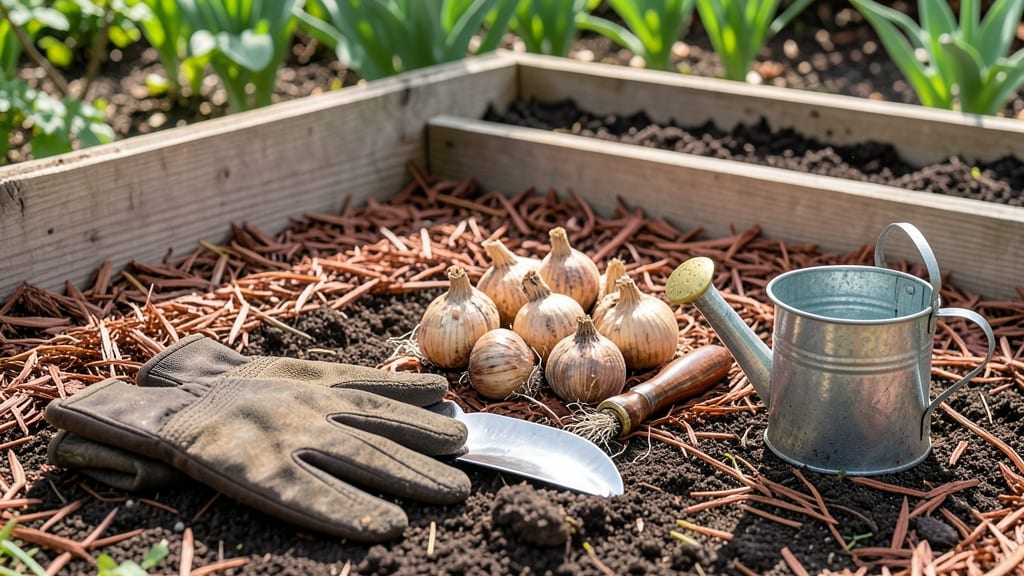
Planting tulips in Georgia might seem tricky with its unpredictable winters, but timing is everything for those vibrant blooms you dream of. The fall season between October and December is your golden window—when soil temperatures drop and bulbs can settle in before winter’s chill.
If you miss this window, you risk soggy bulbs or early spring frosts that could ruin your plans before they even begin.
Here’s the secret: USDA Zones 7b-8b in Georgia mean you’ve got about 6-8 weeks to get those bulbs in the ground before the first frost hits around mid-November.
Whether you’re planting classic red tulips or exotic Darwin hybrids, the key is acting fast—once temperatures dip below 60°F, the clock starts ticking. Let’s break down exactly when and how to plant for foolproof results.
You might be surprised to learn that early October is actually the best time to start, giving bulbs time to root before winter. But if you’re working with late-blooming varieties, you’ll need to adjust your timing to avoid Georgia’s notorious late spring frosts.
I’ll show you how to match your tulip type to the perfect planting date, so you’re not left with wilting buds or missed opportunities.
Don’t worry if you’ve never planted tulips before—I’ll walk you through soil prep, depth, and even how to protect your investment from Georgia’s humid summers. By the end, you’ll know exactly when to plant, what to watch for, and how to turn your garden into a springtime showstopper.
Let’s get those 🌷 bulbs in the ground the right way!
Best planting months for tulips in Georgia by USDA Zone
Georgia’s USDA Zones 7a-8b create a unique challenge for tulip lovers—late frosts can arrive as late as March 15, while first frosts may hit by November 15. To ensure your bulbs thrive, timing is everything.
Planting too early risks rot from winter rains, while waiting too long may prevent roots from establishing before dormancy. The sweet spot? October through December, when soil temps drop below 60°F but remain frost-free.
In Zone 7a (northern GA), aim for mid-October to early November—this gives bulbs time to root before cold snaps hit. For Zone 7b-8b (central/southern GA), you’ve got until late November, but don’t delay past December 1 or risk poor blooms next spring.
Pro tip: Use a soil thermometer to confirm temps are consistently below 60°F before planting.
| USDA Zone | Ideal Planting Window | Soil Temp Requirement | Last Chance Date |
|---|---|---|---|
| 7a (North GA) | Mid-October to early November | Below 60°F | November 15 |
| 7b (Central GA) | Late October to mid-November | Below 60°F | December 1 |
| 8a-8b (South GA) | November to early December | Below 60°F | December 15 |
Why the 60°F rule? Tulip bulbs need 6-8 weeks of cool soil to form roots before dormancy. In Georgia’s humid climate, planting too early (like September) can lead to bulb rot from prolonged moisture.
Conversely, waiting until January leaves bulbs vulnerable to late winter thaws that trigger premature growth—only to be killed by March frosts.
For container gardening in Georgia, follow the same rules but plant bulbs in well-draining pots with sand or perlite mixed into soil. Containers warm up faster, so delay planting until November 1 to avoid rot.
Place pots in protected spots (like against a south-facing wall) to extend the growing season by 2-3 weeks.
Don’t overlook soil preparation—Georgia’s clay-heavy soils in many areas need amendment with compost or sand to improve drainage. Test your soil’s pH (aim for 6.0-7.0) and add bone meal (5 tbsp per 10 sq ft) at planting time for extra phosphorus.
This boosts root growth, helping bulbs establish before winter sets in.
If you’re in Zone 8b (southern GA), consider spring planting for late-blooming varieties like Darwin hybrids. Plant in January and expect blooms by late April, avoiding the worst of winter’s unpredictability. Just be ready to mulch heavily (3-4 inches) to protect bulbs from freeze-thaw cycles.
Watch for local microclimates—areas near lakes or rivers may stay warmer longer, while higher elevations (like the Blue Ridge) cool faster. Use your local cooperative extension service for hyper-local frost dates.
For example, Athens (Zone 7b) typically sees its last frost on March 20, while Savannah (Zone 8a) can bloom tulips as early as February.
Remember: Tulips are perennials in Georgia—they’ll return year after year if planted correctly. The key is consistent timing and proper soil conditions. With these guidelines, you’ll enjoy vibrant blooms from April through May, even in Georgia’s variable climate.
How to adjust planting time for early vs. late-blooming tulip varieties
Georgia’s short growing season means timing matters for tulips—plant too early, and your bulbs may rot; too late, and they won’t bloom. The key is matching variety types to Georgia’s USDA Zones 7b-8b, where first frost typically arrives by mid-November.
Early bloomers like ‘Ice Follies’ need a head start, while Darwin hybrids thrive with a later push.
For early tulips (e.g., ‘Greco’ or ‘Parrot’ varieties), aim to plant in late September to early October. These types need 12-14 weeks of chill time to bloom in late March or early April.
Late bloomers like Darwin hybrids can wait until mid-October to November, as they tolerate slightly warmer soil and bloom in April-May.
Soil temperature is critical—wait until the ground cools to 50-60°F (10-15°C) before planting. In Georgia’s humid climate, early planting risks rot, while late planting may not provide enough chill time. Test your soil’s readiness with a soil thermometer to avoid common mistakes.
| Variety Type | Planting Window | Bloom Time | Georgia Zone Notes |
|---|---|---|---|
| Early (e.g., 'Ice Follies') | Late Sept - Early Oct | Late March - Early April | Needs 12-14 weeks chill; plant ASAP after soil cools. |
| Mid-Season (e.g., 'Darwin Hybrid') | Mid-Oct - Early Nov | April - Early May | Tolerates warmer soil; ideal for Zone 8b. |
| Late (e.g., 'Parrot Tulips') | Early Oct - Mid-Nov | May | Riskier in Zone 7b; prioritize drainage. |
If you’re in Zone 7b (e.g., Athens), prioritize early varieties like ‘Queen of Night’ or ‘Red Emperor’, which bloom sooner. In Zone 8b (e.g., Savannah), you can push the window later—even early November works for mid-season types. Always check your local frost date to adjust timing.
Pro tip: Use mulch (2-3 inches of straw or pine needles) after planting to insulate bulbs from Georgia’s unpredictable cold snaps. This helps early varieties establish roots faster and protects late bloomers from premature dormancy.
For container gardening, plant in October regardless of variety—containers warm up faster and risk rot if planted too early. Choose well-draining pots with holes to mimic Georgia’s sandy loam soil.