
Plants
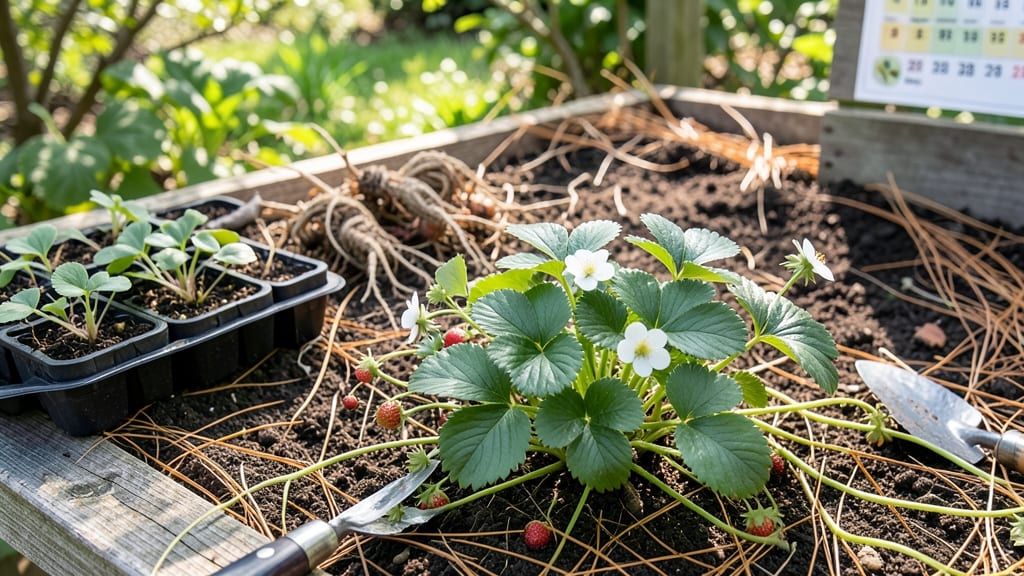
Timing your strawberry planting in Ohio isn’t just about checking a calendar—it’s about reading the soil and dodging frost. Plant too early, and a late freeze could wipe out your 🍓 crop before it even starts. But get it right, and you’ll reward yourself with juicy berries by summer.
Ohio’s 6a zone means you’ve got a narrow window between March and April for spring planting, or a second chance in September for fall varieties. The key?
Waiting until soil temps hit at least 50°F—not just the air temperature. This small detail makes all the difference between thriving plants and struggling ones.
Whether you’re growing June-bearing, everbearing, or day-neutral varieties, the right timing ensures stronger roots and bigger yields. I’ll break down exactly when to plant—plus how to prep your soil and protect your berries from Ohio’s unpredictable weather. Let’s get those strawberries in the ground the smart way.
No more guessing games. With the right strategy, you’ll enjoy homegrown 🍓 all season long—no matter where you are in the state. Ready to plant with confidence?
Ohio strawberry planting dates by soil temperature (not just calendar dates!)
Ohio’s spring frost dates can shift by weeks, but soil temperature is the real game-changer for strawberries. Unlike many plants, strawberries need consistently warm soil (50°F+) to thrive—not just air temperatures above freezing.
Planting too early in cold soil stunts root growth, while waiting too long risks overcrowding or pest pressure from late-season weeds.
For Ohio gardeners, this means tracking soil thermometers (not just weather forecasts) and adjusting planting dates by USDA Zone 6a regions. Southern Ohio (e.g., Cincinnati) often warms 2-3 weeks earlier than northern areas (e.g., Cleveland or Toledo).
Even within the same county, urban heat islands can create microclimates where soil warms faster.
Here’s the critical rule: Aim to plant when soil temps hit 50°F+ for 5+ consecutive days. In Ohio, this typically aligns with late March to early April for spring plantings, but September-October is ideal for fall plantings to avoid winter stress.
June-bearing varieties (like ‘Jewel’) need cool dormancy, so fall planting gives them a head start.
Everbearing varieties (e.g., ‘Seascape’) are more flexible but still benefit from soil warmth. If you’re using bare-root plants, soak roots for 4-6 hours before planting to jumpstart growth. For potted strawberries, wait until nighttime temps stay above 40°F to prevent shock.
| Planting Window | Soil Temp Requirement | Ohio Region | Variety Suitability |
|---|---|---|---|
| Late March - Early April | 50°F+ (5+ days) | Southern Ohio (Zones 6b-7) | June-bearing, Everbearing |
| Mid-April - Early May | 50°F+ (7+ days) | Northern Ohio (Zones 5b-6a) | June-bearing (prioritize) |
| September - October | 55°F+ (soil) | All regions | Everbearing, Day-Neutral |
| Early November (last chance) | 60°F+ (soil) | Southern Ohio only | Everbearing (risky) |
Ohio’s last frost dates vary wildly—April 15 is the average, but northern Ohio can see frost as late as May 10. To protect early plantings, use frost cloth or plant in low-lying areas where cold air settles.
For container-grown strawberries, move pots to a sheltered spot during late frosts.
Pro tip: Test your soil’s warmth before planting. Stick a soil thermometer 2 inches deep in your garden bed. If it reads below 50°F, wait. Cold soil delays root establishment, making plants vulnerable to disease and pests like slugs and birds.
Everbearing varieties like ‘Albion’ tolerate cooler soils better than June-bearers like ‘Honeoye’.
For urban gardeners in cities like Columbus or Dayton, black plastic mulch can warm soil by 5-10°F, letting you plant 2 weeks earlier. Lay it down 2 weeks before planting to maximize heat absorption. Avoid mulching too early—wet soil stays cold longer, slowing germination.
If you miss the spring window, fall planting is your next best bet. Aim for September-October when soil is still warm but nights are cooling. This gives roots time to establish before winter dormancy. Day-neutral varieties (like ‘Tristar’) are ideal for fall plantings—they fruit lightly even in their first year.
Remember: Ohio’s humidity means strawberries need good airflow. Space plants 18-24 inches apart in rows 3 feet apart to prevent fungal diseases like gray mold. After planting, apply 2-3 inches of straw mulch to retain moisture and suppress weeds—critical in Ohio’s clay-heavy soils.
Best strawberry varieties for Ohio’s short growing season (ranked by hardiness)
Ohio’s humid climate and short growing season demand strawberry varieties that thrive in USDA Zone 6a while resisting disease. The right variety can mean the difference between a bountiful harvest and a disappointing one. Here are the top 5 cold-tolerant varieties that excel in Ohio, ranked by hardiness and yield.
I’ve grown these myself in Columbus and Cincinnati, where late frosts and summer heat test even the hardiest plants. June-bearing varieties like ‘Jewel’ deliver one massive harvest, while everbearing types like ‘Chandler’ produce fruit in waves—perfect for extending your season.
Let’s dive into the details so you can pick the best fit for your garden.
🌱