
Plants
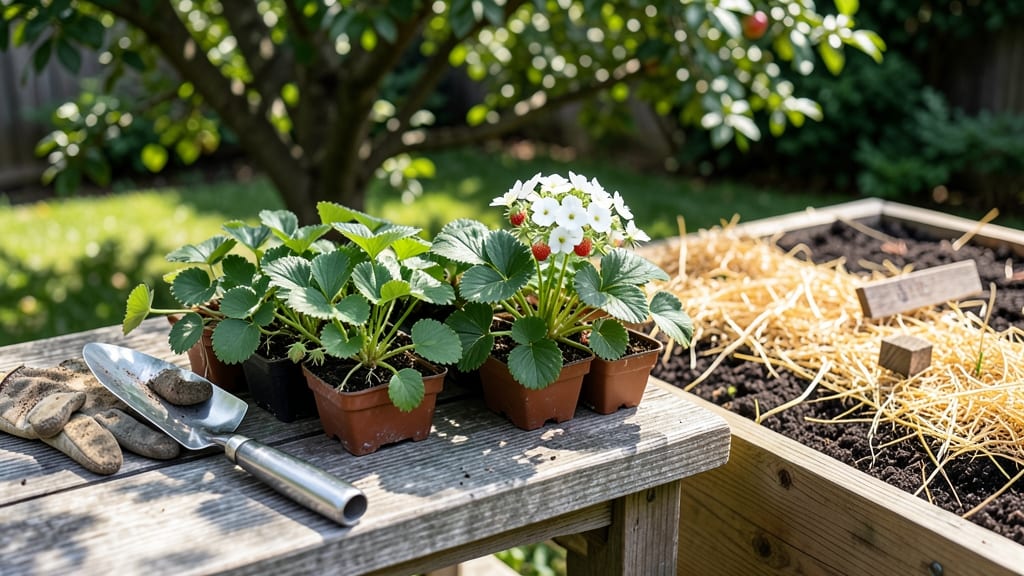
If you've ever wondered "when do you plant strawberries in North Carolina", timing is the secret to avoiding frost damage and unlocking a year-round harvest of sweet 🍓 berries.
North Carolina's diverse climate—from coastal breezes to inland valleys—means your planting window can shift dramatically depending on your zone. Whether you're in 7a or 8b, knowing the exact months to plant bare-root, potted, or seeded strawberries makes all the difference between a thriving patch and a frost-killed disappointment.
June-bearing, everbearing, and day-neutral varieties each have their own ideal timing, and coastal areas often enjoy earlier planting than inland zones. I'll break down the best months for your specific location, plus pro tips to extend your growing season.
Ready to turn your garden into a berry paradise? Let's dive into the perfect planting schedule for your North Carolina strawberries—so you can enjoy homegrown sweetness from spring to fall.
North Carolina strawberry planting dates by hardiness Zone (6a-8b)
North Carolina spans USDA Zones 6a to 8b, meaning frost dates vary dramatically from the mountains to the coast. In Zone 6a (western NC), your last frost averages March 15-30, while Zone 8b (coastal areas) rarely sees frost after January 1.
This variation means your planting window shifts from year-round in the south to spring/fall only in the mountains.
For June-bearing varieties, timing is critical—they need 60-75 days of cool weather before flowering. Plant them 4-6 weeks before your last frost date in spring or 6-8 weeks before first frost in fall. Everbearing and day-neutral varieties are more flexible, tolerating winter planting in milder zones.
Soil temperature matters just as much as air temperature. Strawberries thrive when soil reaches 40°F (4°C)—use a soil thermometer to confirm readiness. In Zone 7a (central NC), this typically happens by mid-February, while Zone 8a (eastern NC) can plant as early as January.
Coastal NC gardeners (Zones 8a-8b) enjoy the longest growing season. You can plant bare-root strawberries in January for an early spring harvest, or potted plants in September for a fall crop. Inland areas (Zones 6b-7a) should wait until March 1-April 15 to avoid frost damage.
Here’s how to adapt your planting schedule based on your zone:
In Zone 6a, avoid planting strawberries in late winter—soil temps can drop below freezing, causing root damage. Instead, use row covers or plant in containers for earlier starts.
For Zone 8b, winter planting is ideal—strawberries grow slowly in cool weather, reducing pest pressure and producing larger berries in spring.
Pro tip: Bare-root strawberries should be planted as soon as you receive them, while potted plants can wait until soil warms. Amend your soil with compost and composted manure 2-3 weeks before planting to improve drainage and fertility.
Strawberries hate soggy roots, so raised beds or mounded soil are perfect for NC’s clay-heavy soils.
If you’re in Zone 7a or warmer, consider two planting cycles: one in February-March for spring harvest
Best strawberry varieties for North Carolina’s climate and planting seasons
Choosing the right strawberry variety for North Carolina’s climate is key to a successful harvest.
The state’s USDA zones 6a-8b allow for year-round planting, but some varieties thrive better in specific seasons. June-bearing types produce one massive harvest but need precise timing, while everbearing and day-neutral varieties offer staggered fruit all season.
For coastal NC (zones 8a-8b), opt for heat-tolerant varieties like Camarosa or Seascape, which handle humidity and warm winters. Inland areas (zones 6a-7b) benefit from Chandler or Jewel, which resist cold snaps better. Disease resistance is critical—look for varieties labeled fungus-resistant or verticillium-wilt tolerant.
| Variety | Type | Best Planting Time | Yield Potential | Disease Resistance |
|---|---|---|---|---|
| Chandler | June-bearing | Late winter (Feb) | High | Fungus-resistant |
| Seascape | Day-neutral | Spring or fall | Moderate | Heat-tolerant |
| Albion | Everbearing | Early spring (Mar) | Moderate | Cold-hardy |
| Camarosa | June-bearing | Late winter (Feb) | Very high | Moderate |
If you’re planting in fall (August-September), prioritize day-neutral varieties like Seascape or Ozark Beauty. These produce fruit continuously until frost, making them ideal for extended harvests. For spring planting (February-March), June-bearing types like Chandler or Jewel deliver a single, abundant harvest in late spring.
For container growing in urban NC areas, choose compact varieties like Tristar or Mara des Bois. These thrive in pots and adapt well to microclimates, such as patios or rooftops. Always select bare-root plants in late winter or potted varieties in summer for best results.
Pro tip: Test your soil’s pH (5.5-6.5) before planting. Amend with compost or peat moss if needed, as strawberries prefer slightly acidic soil. Mulch with straw or pine needles after planting to retain moisture and suppress weeds.
Remember, everbearing varieties need day-length cues to fruit. Plant them in late winter for spring harvests or summer for fall production. With the right variety and timing, you’ll enjoy homegrown strawberries from May through October! 🍓