
Plants
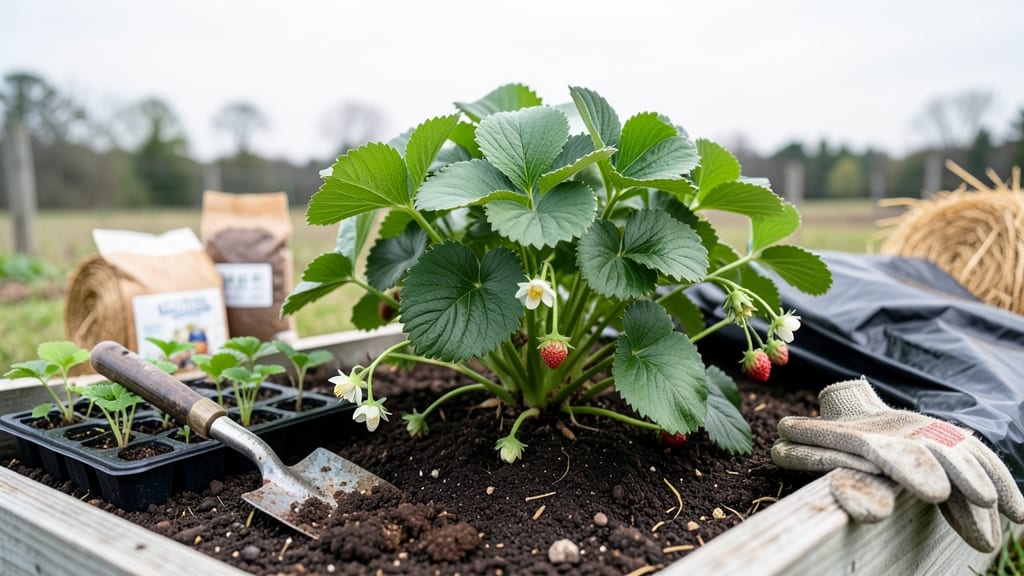
Planting strawberries in Louisiana at the wrong time means battling aphids, fungal diseases, and heat stress from day one. The key to thriving 🍓 harvests lies in timing—specifically, those two critical windows that align with Louisiana’s climate quirks.
Most gardeners assume spring is the only option, but fall planting (September–November) gives your berries a head start before winter pests wake up. Meanwhile, early spring (January–February) avoids the brutal summer heat that turns plants into crispy snacks.
I’ll show you exactly how to pick the right window for your region—whether you’re in frost-prone North Louisiana or warmer Zone 9b.
Beyond timing, Louisiana’s heavy clay soil and humidity demand special prep work. We’ll cover soil amendments, mulching strategies, and variety choices (like Chandler for heat tolerance) to ensure your strawberries thrive—not just survive. Skip the guesswork and plant with confidence.
Ready to grow juicy, pest-resistant strawberries without the usual Louisiana gardening headaches? Let’s dive into the proven methods that work in your backyard.
Best planting months for strawberries in Louisiana (with pest-avoidance logic)
Louisiana’s warm winters and humid summers create a unique challenge for strawberry growers. Unlike northern states, you can’t just follow a generic spring-planting guide—timing is everything to avoid fungal diseases and pest outbreaks.
The perfect window is September–November for fall planting or January–February for early spring, when soil temps stay cool and pests are less active.
Why these months? Fall-planted strawberries establish roots before winter, then burst into growth as temperatures rise—giving you an earlier harvest in March–June. Spring planting (January–February) avoids the scorching summer heat that stresses young plants. Both strategies let you skip the pest-heavy summer months when aphids and birds go wild.
Here’s the critical difference between Louisiana’s three regions (North, Central, South). Frost dates shift dramatically, so your last planting window depends on where you live. In Zone 8a (North LA), aim for September 15–October 15 or January 10–February 10.
In Zone 9b (South LA), you can push it to November 1 or February 20—just don’t wait too late.
🌱 Pro Tip: Use straw mulch (3–4 inches) to insulate roots in winter and deter slugs in spring. This is non-negotiable in Louisiana’s damp climate.
| Region | Best Fall Planting Window | Best Spring Planting Window | Avoid Planting After | Pest Risk |
|---|---|---|---|---|
| North LA (Zone 8a) | September 15–October 15 | January 10–February 10 | November 1 (frost risk) | High (aphids, birds) |
| Central LA (Zone 8b) | September 1–October 30 | January 1–February 15 | November 15 (heat stress) | Medium (slugs, fungal rot) |
| South LA (Zone 9b) | September 1–November 1 | January 1–February 20 | February 28 (late heat) | Low (milder winters) |
If you miss the ideal windows, don’t panic—August and December are secondary options, but they come with trade-offs. Planting in August risks heat stress on young plants, while December planting may not fruit until late spring. For maximum success, stick to the September–November or January–February timeline.
Louisiana’s humidity also means soil-borne diseases like gray mold thrive if you plant too late. The 60–70°F soil temp sweet spot for root establishment aligns perfectly with fall and early spring. Use a soil thermometer to confirm—planting when temps drop below 55°F slows growth dramatically.
For variety selection, choose everbearing types like ‘Chandler’ (fall harvest) or day-neutral ‘Seascape’ (multiple harvests). Avoid June-bearing varieties unless you’re in North LA, where cooler summers extend their season. ‘Albion’ is another top pick for Louisiana’s heat tolerance.
🌿 Key Takeaway: Plant in fall (Sept–Nov) for early harvests or early spring (Jan–Feb) to avoid summer pests. Mulch heavily, monitor soil temps, and choose disease-resistant varieties—these three steps will save your strawberries from Louisiana’s worst threats.
One final non-negotiable: Never plant strawberries in summer. The 90°F+ heat shocks young plants, and pests explode in the humidity. If you’re desperate for a summer crop, start container-grown plants in shaded areas, but yields will be 50% lower than fall/early spring plantings.
Best planting months for strawberries in Louisiana (with pest-avoidance logic)
Louisiana’s humid subtropical climate creates a double-edged sword for strawberry growers. The long growing season is ideal, but summer heat and pests like aphids and slugs demand precise timing. Planting at the wrong time invites fungal diseases and stunted growth—so timing is everything.
For maximum success, focus on two windows: early fall (September-November) or late winter (January-February). These periods align with soil temperatures between 60-70°F, which encourages root establishment before summer’s brutal heat arrives.
Why these months? Fall planting lets plants establish roots before winter, while late-winter planting avoids summer pests. Both strategies outsmart Louisiana’s heavy clay soil and high humidity by giving plants a head start.
| Planting Window | Ideal Soil Temp | Pest Pressure | Harvest Window |
|---|---|---|---|
| September-November (Fall) | 60-70°F | Low-Medium | March-June |
| January-February (Late Winter) | 60-70°F | Low | May-July |
| March-April (Risky) | 55-65°F | High (aphids, slugs) | July-August (poor yield) |
🌱 Best windows avoid summer pests and heat stress
If you’re in North Louisiana (Zone 8a), aim for September 15-October 15 to beat early frosts. Central and South Louisiana (Zone 9b) gardeners can extend planting until November 15—just cover plants with row fabric if frost threatens.
For late-winter planting, wait until after February 15 in Zone 8a or March 1 in Zone 9b to avoid late frosts. Use black plastic mulch to warm soil faster and deter weeds.
Pro tip: June-bearing varieties like Chandler thrive in fall plantings, while everbearing types like Seascape handle Louisiana’s heat better if planted in late winter. Always choose disease-resistant varieties to fight Louisiana’s fungal risks.