
Companion Plants
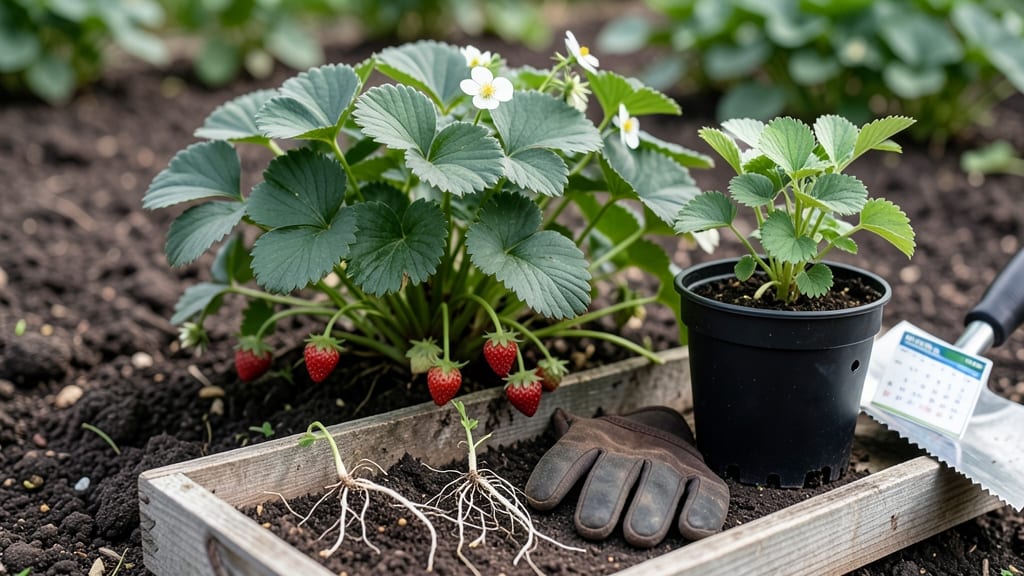
Knowing when to plant strawberries in Zone 6 can make the difference between a handful of sweet 🍓 and a full harvest basket. The right timing ensures your plants establish strong roots before summer heat arrives, setting you up for juicy berries all season long.
Zone 6 gardeners have two prime windows: early spring (March-April) or late summer (July-August). Planting too early risks frost damage, while waiting too long may stunt growth before harvest.
I’ll break down the exact weeks before your last frost date to maximize success, whether you’re using bare-root, potted, or everbearing varieties.
Beyond timing, soil temperature and microclimates play a huge role—especially in Zone 6’s variable spring weather. Learn how to adjust for your specific conditions, from cold snaps to sudden heatwaves, so your strawberries thrive from the first day in the ground.
Ready to grow strawberries that taste like summer? Let’s dive into the game-changer strategies that’ll have you harvesting plump, flavorful berries in no time.
Best planting windows for strawberries in Zone 6: exact weeks before last frost
Timing is everything when planting strawberries in Zone 6, where the average last frost date is April 15. Planting too early risks frost damage, while waiting too long can delay your harvest.
For June-bearing varieties, aim for 4-6 weeks before your last frost—typically mid-March to early April. Everbearing and day-neutral varieties are more flexible, allowing planting up to 8 weeks before frost or even in late summer for a fall harvest.
Soil temperature is just as critical as air temperature. Strawberries thrive when soil reaches 45-50°F. In Zone 6, this usually happens by mid-March, but cooler microclimates may require waiting until late March or early April.
Use a soil thermometer to check—this small investment can save your plants from shock.
Bare-root strawberries are the most common choice for spring planting, but potted plants offer flexibility. If using potted strawberries, plant them 2-3 weeks earlier than bare-root varieties, as they establish roots faster.
For fall planting, aim for 6-8 weeks before your first frost (typically late July to early August in Zone 6), giving plants time to root before winter dormancy.
Here’s a quick reference for your Zone 6 strawberry planting schedule:
| Planting Window | Variety Type | Soil Temp Requirement | Key Consideration |
|---|---|---|---|
| Mid-March to early April | June-bearing | 45-50°F | Avoid frost; mulch after planting |
| Late March to early May | Everbearing/day-neutral | 40-45°F | Flexible timing; can plant in fall too |
| Late July to early August | All varieties | 50-55°F | Fall harvest; mulch heavily for winter |
Microclimates in Zone 6 can shift planting windows by 1-2 weeks. If you live in a valley or low-lying area, frost lingers longer—wait until late April for spring planting.
Conversely, hilltops or urban areas often warm up faster, allowing earlier planting. Observe nearby gardens or use a frost calendar for your specific county to fine-tune your schedule.
Another pro tip: Plant everbearing varieties in both spring and fall for a near-continuous harvest. For example, plant Seascape or Albion in early April for a summer crop, then again in late July for a fall harvest. This doubles your yield and extends your enjoyment of fresh strawberries.
Mulching is non-negotiable in Zone 6. After planting, apply 2-3 inches of straw or pine needles to insulate roots, retain moisture, and suppress weeds. In spring, mulch keeps soil warm for faster growth; in fall, it protects plants from freezing temperatures.
Avoid synthetic mulches—they can trap too much heat and harm roots.
If you’re unsure about your last frost date, err on the side of caution. Strawberries planted 2 weeks early in cool soil will survive better than those planted 2 weeks late in warm soil.
Use row covers for the first 2-3 weeks after planting to shield young plants from unexpected late frosts.
Finally, remember that Zone 6’s growing season is short. Prioritize fast-maturing varieties like Chandler or Honeoye for June-bearing types, or Tristar for day-neutral varieties. These choices maximize your harvest before summer heat sets in.
With the right timing, your Zone 6 strawberries can thrive—yielding sweet, juicy berries that make every gardening effort worthwhile. 🍓
How to prepare your Zone 6 garden for strawberry planting: soil, location, and variety tips
Choosing the right strawberry varieties for Zone 6 is your first step toward a successful harvest. June-bearing varieties like Jewel or Honeoye produce one massive crop in early summer, while everbearing types such as Seascape or Ozark Beauty give you two smaller harvests—spring and fall.
For continuous production, try day-neutral varieties like Albion or Tristar.
Your Zone 6 soil needs to be well-draining and rich in organic matter. Test your soil’s pH level—strawberries thrive in slightly acidic soil (5.5–6.8). If your soil is too alkaline, amend it with peat moss or composted pine needles.
Avoid heavy clay soils, which can lead to root rot and poor drainage.
Select a sunny location with 6–10 hours of sunlight daily. Strawberries need full sun to produce sweet, flavorful fruit. If your garden is shady, consider container gardening near a south-facing window or use reflective mulches to maximize light exposure. Avoid low-lying areas where cold air or frost can settle.
🌱 Pros & Cons of Planting Methods
- ✅ Better drainage in amended soil
- ✅ Longer root access to nutrients
- ✅ Lower maintenance after establishment
Best for: Large gardens, permanent beds
- ✅ Portable for sun/microclimate control
- ✅ Easier pest control
- ✅ Great for small spaces
Best for: Balconies, patios, urban gardens
- 🚫 Planting too deep—crowns should be slightly above soil
- 🚫 Overcrowding—space plants 12–18 inches apart
- 🚫 Ignoring mulch—use straw or pine needles to retain moisture
Before planting, loosen the soil to a depth of 12 inches and mix in 2–3 inches of compost. Strawberries are light feeders, so avoid over-fertilizing with nitrogen, which promotes leafy growth at the expense of fruit.
Instead, use a balanced fertilizer (10-10-10) sparingly—just 1 tablespoon per plant at planting time.
If your Zone 6 garden has poor drainage, create raised beds with a mix of topsoil, compost, and perlite. This ensures excess water drains away, preventing root rot. For containers, use a well-draining potting mix with added vermiculite to improve aeration. Remember, strawberries hate soggy roots!
Finally, rotate your strawberry beds every 3–4 years to prevent soil-borne diseases like verticillium wilt. If you’re planting in the same spot, remove all plant debris and solarize the soil in late summer to kill pathogens.
With the right soil prep and location, your Zone 6 strawberries will thrive and reward you with juicy, homegrown fruit all season. 🍓