
Plants
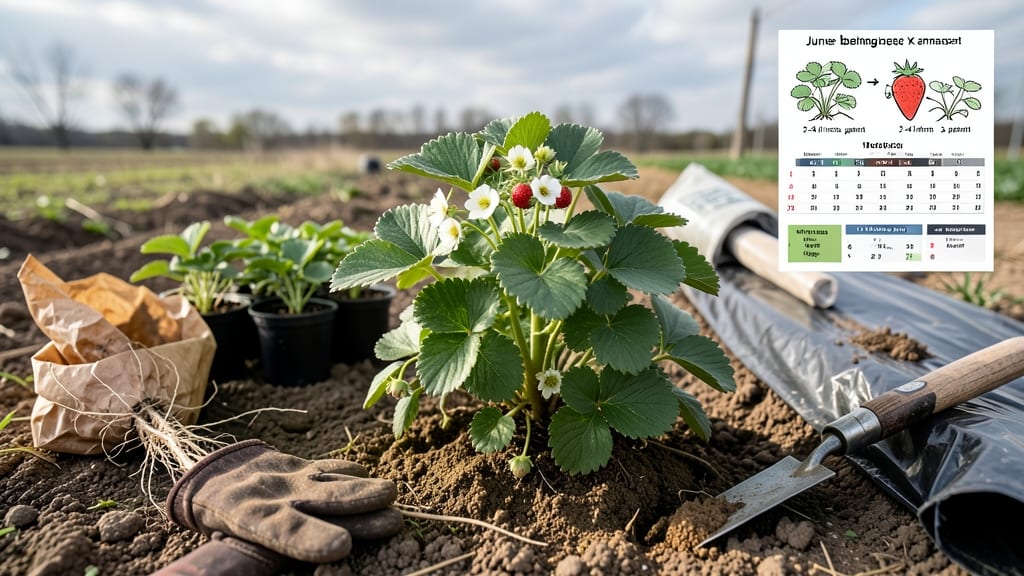
Planting strawberries in Kansas at the wrong time can mean the difference between a bountiful harvest and wasted effort. The perfect window depends on matching your variety's chill-hour needs with Kansas' unpredictable frost dates—especially in USDA zones 5b–7a.
June-bearing strawberries, like the beloved 🍓 'Jewel' or 'Chandler,' need 300–900 chill hours to set fruit, but planting too early risks frost damage, while waiting too long cuts your harvest short.
I’ll break down the exact timing for spring and fall plantings so you can align your schedule with Kansas’ climate quirks.
From preparing well-draining soil to choosing the right mulch, every step matters. Whether you’re a first-time gardener or a seasoned pro, these strategies will help you maximize yields and enjoy sweet berries from summer through fall.
Let’s dive into the chill-hour matching guide tailored just for Kansas gardeners—because timing isn’t just about the calendar, it’s about the science of growing your best crop yet.
Kansas strawberry planting timeline: chill-hours and frost zones explained
Kansas' USDA Hardiness Zones 5b–7a create unique challenges for strawberry growers. The chill-hour requirement (300–900 hours below 45°F) determines when your June-bearing varieties will bloom. In western Kansas (drier, colder winters), you’ll need earlier planting to meet chill-hour needs, while eastern Kansas (warmer winters) can plant slightly later.
Most Kansas gardeners aim for spring planting between March 15 and April 30, but this varies by microclimate. For example, Wichita (Zone 7a) can plant as late as April 15, while Hays (Zone 5b) should plant by March 20 to avoid late frosts damaging tender new growth.
Fall planting is also an option for everbearing varieties (though June-bearing strawberries won’t produce fruit from fall plants). If you choose this route, plant 6–8 weeks before your first frost date—typically between September 1 and October 15 in most of Kansas.
Here’s how to match your planting window to Kansas’ chill-hour zones and last frost dates:
| Kansas Region | USDA Zone | Avg. Last Frost | Chill-Hours Needed | Ideal Planting Window |
|---|---|---|---|---|
| Western KS (Hays, Garden City) | 5b | April 5–15 | 700–900 hours | March 1–March 20 |
| Central KS (Salina, Manhattan) | 6a | April 10–20 | 500–700 hours | March 15–April 1 |
| Eastern KS (Topeka, Kansas City) | 6b–7a | April 15–May 1 | 300–500 hours | April 1–April 15 |
To extend your growing season, consider row covers or cold frames for early spring plantings. These can push your planting window back by 2–3 weeks while protecting young plants from late frosts. Just remember: strawberries need 6–8 hours of sunlight daily, so avoid low-light areas.
Monitor your local Kansas State University Extension frost date forecasts, as microclimates (like urban heat islands) can shift frost dates by 1–2 weeks. For example, Kansas City’s downtown may stay frost-free 5–7 days longer than rural areas 20 miles away.
Pro tip: Plant bare-root strawberries in early spring (March) and potted plants in late spring (April) for flexibility. Bare-root plants establish faster in cool soil, while potted plants handle warmer temperatures better.
Once planted, use straw mulch (not black plastic) to regulate soil temperature and retain moisture. This is especially critical in western Kansas’ dry climate, where soil can dry out quickly after planting.
🌱
Step-by-step planting schedule for Kansas June-bearing strawberries
Now that you understand chill-hour requirements and frost dates, let’s break down the exact planting schedule for Kansas gardeners. Whether you're working with bare-root plants or potted varieties, timing is critical for establishing strong roots before summer heat arrives.
In western Kansas (USDA Zone 5b-6a), where winters are colder, aim to plant bare-root strawberries in early April once soil temperatures reach 45°F (7°C). For eastern Kansas (Zones 6b-7a), where springs arrive earlier, late March to early April works best for both bare-root and potted plants.
Soil Prep (4-6 Weeks Before Planting)
- Test soil pH (aim for 5.5–6.5); amend with lime if needed.
- Work in 2–3 inches of compost or aged manure for fertility.
- Loosen soil to a 12-inch depth for root penetration.
For bare-root plants, soak roots in water for 1–2 hours before planting to revive them. Space rows 18–24 inches apart with plants 12–18 inches apart in rows. Dig holes deep enough so the crown sits just above soil level—burying it too deep causes rot.
If using potted strawberries, plant them 1–2 weeks earlier than bare-root varieties since their roots are already established. Gently remove plants from pots and tease apart roots to encourage spreading. Water thoroughly after planting to eliminate air pockets.
After planting, apply 2–3 inches of mulch (straw or pine needles) to retain moisture and suppress weeds. In western Kansas, where drought is common, use drip irrigation to deliver water directly to roots.
In eastern Kansas, where humidity is higher, ensure good airflow between plants to prevent fungal diseases like gray mold.
Monitor your strawberries closely in May and June—this is when they’ll need consistent watering (1–1.5 inches per week) and regular weeding. By following this schedule, your June-bearing varieties will reward you with sweet, plump berries by late June or early July.