
Plants
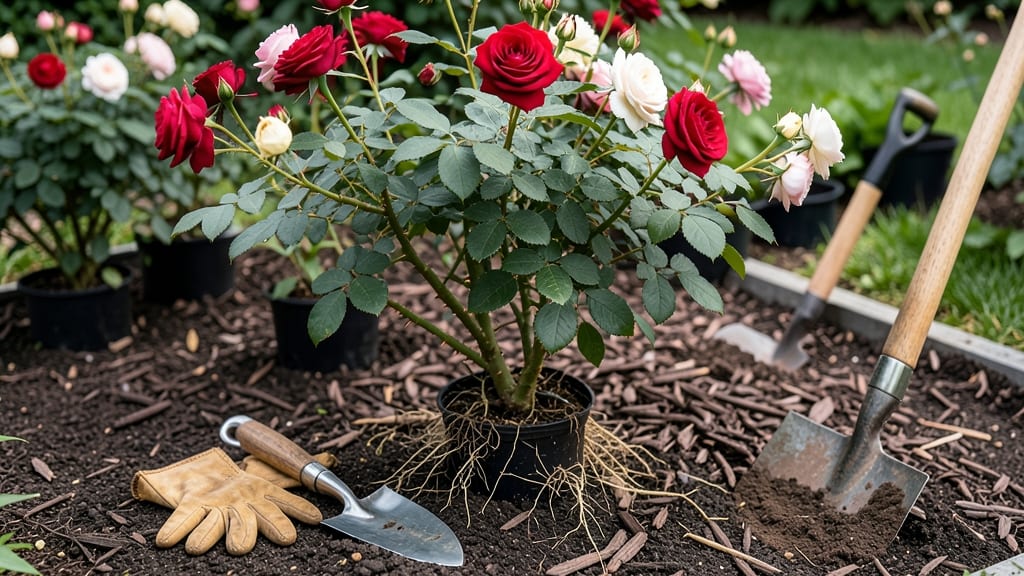
Planting roses in Texas might seem simple, but getting the timing right is the key to thriving blooms—or watching your investment wilt before summer even arrives.
Whether you're in North Texas's cooler Zone 8a or South Texas's balmy Zone 10b, the wrong window means frost damage or heat stress that stunts growth.
Most Texas gardeners swear by fall planting—especially in October or November—when soil stays warm enough for roots to establish without summer's scorching heat. But early spring (February or March) works too, if you're patient enough to wait for the last frost to pass.
The difference between success and struggle often comes down to understanding your specific zone's frost dates and soil conditions.
I’ve helped countless Texas gardeners avoid the common mistakes that lead to dead roses, from planting too early and risking frost to waiting too long and facing summer drought stress.
In this guide, you’ll discover the best months for your zone, plus pro tips for soil prep, watering schedules, and even how to tell if your roses are truly ready to thrive in Texas heat.
Ready to grow roses that bloom beautifully year after year? Let’s dive into the exact planting windows—and what to watch for—that make all the difference in Texas’s unpredictable climate.
Texas rose planting calendar: exact months by hardiness Zone (7a-10a)
Texas’s diverse climate zones mean your rose planting window depends heavily on where you live. In North Texas (Zones 7a-8a), frost can linger until mid-March, while South Texas (Zones 9a-10a) often sees frost-free winters.
Timing isn’t just about avoiding frost—it’s also about giving roots time to establish before summer’s scorching heat arrives.
For bare-root roses, the best planting months are October-November (fall) or February-March (early spring). Container-grown roses, however, can handle late winter planting as long as soil temperatures stay above 60°F. Let’s break down the optimal planting calendar by zone to ensure your roses thrive.
🌹 Visual Guide: Texas Rose Planting Calendar
In Zone 7a, where frost dates are unpredictable, I recommend planting bare-root roses in late October to give them a 6-8 week head start before winter dormancy. For Zone 10a, where frost is rare, September planting lets roots establish before summer’s intensity.
Always check your local frost dates—they can vary by 1-2 weeks even within the same zone.
If you’re planting container-grown roses, extend your window slightly—these adapt better to soil temperature fluctuations. However, avoid planting when soil temps drop below 60°F, as roots can suffer from cold shock.
Use a soil thermometer to confirm readiness, especially in North Texas where mornings can still be chilly in March.
Pro tip: Mulch immediately after planting with 2-3 inches of organic mulch (like pine straw or shredded bark) to protect roots from temperature swings. In South Texas, this also helps retain moisture during winter dry spells.
Just avoid piling mulch against the rose’s stem—keep it 2-3 inches away to prevent rot.
For climbing roses, which need extra support, plant in early spring (February-March) so they have time to establish roots before training on trellises. These varieties are more sensitive to late-season planting due to their longer canes.
If you plant in fall, stake them immediately to prevent wind damage during winter storms.
One common mistake Texas gardeners make is planting too late in spring (April or May). By then, summer heat is already stressing young roses, and they struggle to recover from transplant shock.
Aim to have roses planted and watered in by mid-April at the latest, especially in West Texas, where 100°F+ temps can arrive by June.
Finally, consider your rose variety. Heat-tolerant varieties like 'Knock Out' roses or 'Earth-Kind' roses can handle slightly later planting (up to mid-April), while traditional hybrid teas need the earliest possible window. Always check the breeder’s recommendations—some varieties thrive in Texas’s extreme heat once established.
Signs your Texas rose planting timing is perfect (or terrible)
Timing your rose planting in Texas isn’t just about checking a calendar—it’s about reading your soil and climate like a pro. The right signs tell you when your bare-root roses or container-grown varieties are ready to thrive.
Here’s how to tell if you’re planting at the perfect moment—or if you’re setting yourself up for failure.
First, check your soil temperature. Roses need soil that’s warmed to at least 60°F (15°C) for roots to establish without shock. Stick a soil thermometer 6 inches deep—if it’s cooler, wait.
Cold soil slows root growth, leaving your roses vulnerable to Texas heat stress later in the season. Pro tip: Morning soil temps are more reliable than afternoon spikes.
Next, assess your moisture levels. Overly dry soil can stress new roots, while soggy soil invites root rot. Stick your finger in the soil—if it’s bone-dry past 2 inches, water deeply the day before planting.
If it’s still damp 24 hours after watering, hold off until it dries slightly. Texas clay soil drains poorly, so amend it with compost or sand if needed.
🌹 5 Signs Your Planting Timing Is PERFECT
- Soil temp: 60°F+ (use a thermometer to confirm)
- Moisture: Evenly damp but not waterlogged
- Weather: No frost warnings for 2+ weeks
- Sunlight: 6+ hours of full sun daily at planting spot
- Root health: Bare-root canes are plump and moist (not shriveled)
Don’t ignore the weather forecast. If a hard freeze is predicted within 2 weeks of planting, delay—even Zone 10a roses can suffer. Check the National Weather Service for first frost dates in your area.
For example, North Texas (Zone 8a) sees frost risks until mid-March, while South Texas (Zone 10a) can plant as early as January.
Finally, inspect your rose canes. Healthy bare-root roses have moist, pliable roots and no signs of disease (like black spots or mold). If roots are dry or brittle, soak them in water for 4-6 hours before planting.
Container-grown roses should have lush green leaves—wilting or yellowing means they’re stressed and need time to recover.
Planting at the wrong time? Watch for wilting leaves, yellowing foliage, or stunted growth—all red flags. If you’ve missed the window, try container planting to extend your growing season or wait for the next ideal month. Patience pays off with Texas roses! 🌿