
Plants
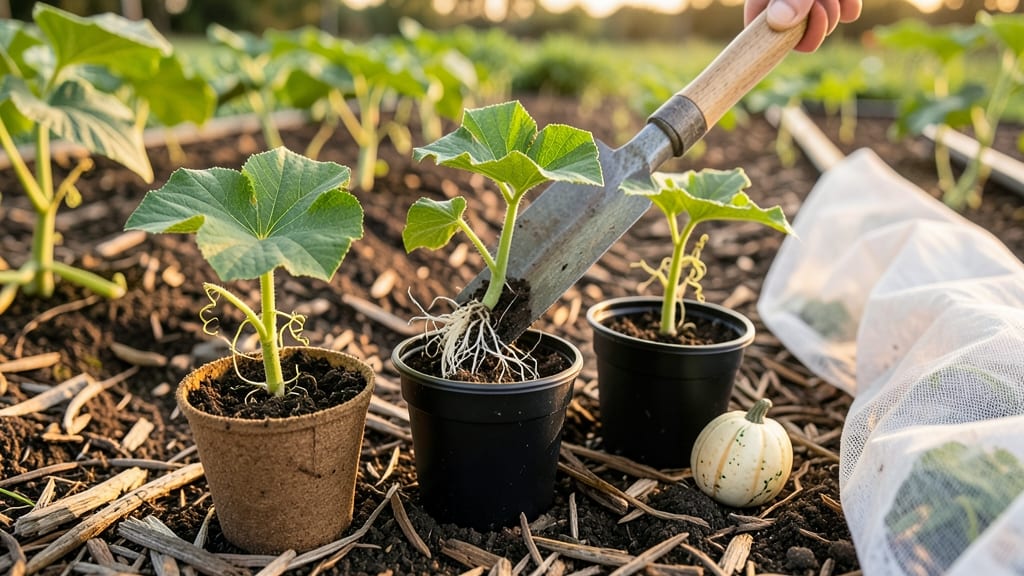
Timing your pumpkin planting in Washington State can feel like solving a puzzle—coastal areas with their cool, damp springs clash with inland zones where summer heat arrives early. Get the schedule wrong, and you’ll either watch your seedlings shiver in late frosts or struggle with vines that bolt before harvest.
The key? Understanding your USDA zone and local microclimates to pinpoint the perfect two-week window for planting.
Whether you're in Zone 7b near the Pacific or Zone 8a in the Yakima Valley, the rules change dramatically. I’ll break down exactly when to start seeds indoors versus direct-sowing outdoors, plus how to adjust for Washington’s unpredictable weather patterns.
No more guesswork—just a clear roadmap to healthy, productive pumpkin vines.
You’ll also discover how to prep your soil for Washington’s unique conditions, from acidic coastal loam to alkaline inland soils. Plus, I’ll share companion planting tricks that boost yields and keep pests at bay.
Let’s get your pumpkins off to the right start—because in Washington, timing isn’t just important, it’s everything.
Ready to dive in? By the end, you’ll know not just when to plant, but how to give your pumpkins the best shot at success in your specific corner of the Evergreen State. Let’s make this your most productive growing season yet.
Optimal pumpkin planting dates in Washington State by USDA Zone & location
Washington State spans USDA Zones 4b through 9a, creating dramatic differences in pumpkin planting windows. Coastal areas like Olympia (Zone 8a) enjoy 120-150 frost-free days, while inland valleys like Walla Walla (Zone 7b) stretch to 180+ days.
Even within the same zone, microclimates can shift planting by 2-4 weeks. Let’s break down the exact timing for your region.
For coastal Washington (Zones 7b-9a), aim to plant pumpkin seeds 2-4 weeks after your last frost date. This typically falls between mid-April and early May. Inland areas (Zones 4b-8a) can start 4-6 weeks earlier, often in late March to mid-April.
The key is waiting for soil temperatures to reach 60°F (15°C)—cold soil delays germination.
🌱 Pro Tip: Use black plastic mulch to warm soil faster in early zones. This can shave 10-14 days off your planting window.
| USDA Zone | Last Frost Date | Planting Window | Soil Temp Required | Best Varieties |
|---|---|---|---|---|
| 4b (North Idaho Panhandle) | Mid-May | Late May - Early June | 60°F+ (15°C+) | Early maturing: 'Jack Be Little', 'Small Sugar' |
| 7b (Spokane, Wenatchee) | Early May | Late April - Early May | 60°F+ (15°C+) | Mid-season: 'Howden', 'Cinderella' |
| 8a (Seattle, Yakima) | Mid-April | Early May - Mid-May | 60°F+ (15°C+) | Classic: 'Jack-o'-Lantern', 'Sugar Pie' |
| 9a (Long Beach, Vancouver) | Early April | Mid-April - Early May | 55°F+ (13°C+) | Long-season: 'Giant Cabotin', 'Atlantic Giant' |
If you’re in Zone 4b (like northern Whatcom County), opt for fast-maturing varieties (50-60 days to harvest). Plant seeds indoors in late March and transplant outdoors after May 15.
For Zone 9a (coastal areas), you can even plant directly in the soil by early April—just protect seedlings with frost cloth if nights dip below 50°F (10°C).
For high-desert regions (e.g., Moses Lake, Zone 7a), irrigation is critical. Plant 2-3 weeks earlier than coastal areas and use drip irrigation to maintain consistent moisture. These areas often experience hot, dry winds that stress young vines.
🌿 Washington-Specific Variety Tip: 'Muskett' pumpkins thrive in cooler coastal climates, while 'Gladiator' handles inland heat better. Check seed packets for "days to maturity"—subtract your first frost date to ensure harvest before cold snaps.
Direct sowing is best for pumpkins, but if you’re in Zone 7b or colder, start seeds indoors 3-4 weeks before transplanting. Use biodegradable pots to avoid root disturbance. Harden off seedlings by placing them outdoors for 2-3 hours daily the week before transplanting.
💧 Watering Warning: Overwatering young seedlings causes powdery mildew, common in Washington’s humid coastal areas. Water at the base of plants in the morning to allow foliage to dry quickly.
Finally, mark your calendar for harvest time. Most pumpkins mature between 75-100 days, so if you plant in early May (Zone 8a), expect harvests in late July to early September. In Zone 4b, aim for early August harvests with fast varieties.
How to adjust pumpkin planting for Washington’s microclimates (rainy west vs. dry east)
Washington’s microclimates can turn a pumpkin patch into a gamble if you don’t adjust your planting strategy. The coastal regions (like the Olympic Peninsula) stay damp and cool, while the inland valleys (like the Yakima Valley) bake under summer sun.
Even within the same USDA zone, your pumpkins might face very different challenges—disease pressure on the west side or drought stress on the east.
For coastal gardeners, prioritize disease-resistant varieties like ‘Howden’ or ‘Sugar Pie’ to fight fungal risks from frequent rain. Inland growers should focus on drought-tolerant types such as ‘Cinderella’ or ‘Jack Be Little,’ which thrive with less water.
Even the high-desert areas (e.g., near Moses Lake) need extra soil prep to retain moisture for these heavy feeders.
Here’s how to tailor your approach based on your location’s unique conditions:
🌧️ Coastal Washington (Zones 7b-9a)
✅ DO
- Use raised beds for drainage
- Plant later (May 15–June 1)
- Choose resistant varieties (e.g., ‘Jack Be Little’)
- Mulch heavily to prevent soil splash
❌ DON’T
- Plant too early (seed rot risk)
- Overcrowd vines (fungus spreads faster)
- Skip fungicide (prevent powdery mildew)
- Ignore windbreaks (coastal winds stress seedlings)
☀️ Inland Washington (Zones 4b-8a)
✅ DO
- Plant early (April 15–May 1)
- Use drip irrigation (prevents leaf burn)
- Choose heat-tolerant varieties (e.g., ‘Autumn Gold’)
- Test soil moisture daily in July/August
❌ DON’T
- Plant without mulch (soil dries too fast)
- Skip shade cloth (protect young plants)
- Over-fertilize nitrogen (encourages leafy growth, not fruit)
- Ignore heat stress (vines wilt in 90°F+)
If you’re in a transition zone (like the Puget Sound area), split your planting: start 50% of seeds indoors in late March for an early jump, then direct-sow the rest in late April.
This extends your harvest window by 3–4 weeks, ensuring some pumpkins mature before the first frost in October.
For high-desert areas (e.g., near Wenatchee), amend your soil with 3–4 inches of compost before planting. These regions lack organic matter, so pumpkins struggle to develop properly. Water deeply every 2–3 days once vines spread, and avoid overhead watering to prevent blossom-end rot.
Pro tip: Use a soil thermometer—pumpkin seeds need soil temps above 60°F (15°C) to germinate. Inland areas hit this mark by mid-April, while coastal zones often wait until early June. Adjust your schedule accordingly to avoid cold-soil failures.