
Planting
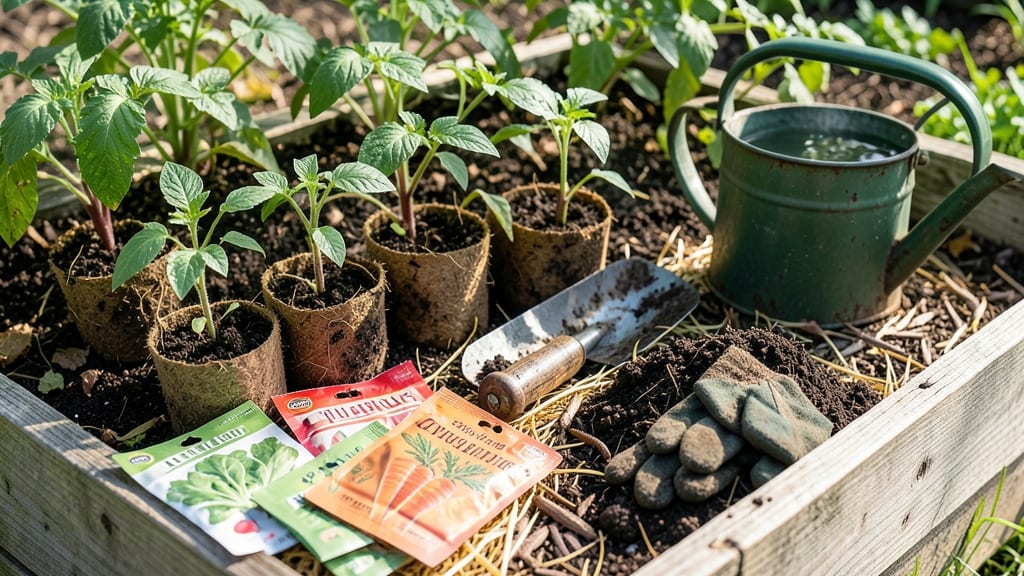
Knowing when to plant a garden in New Brunswick can make the difference between a thriving harvest and a disappointing one. The perfect planting window here isn’t one-size-fits-all—coastal areas like Saint John enjoy warmer microclimates, while inland spots near Fredericton often wait longer for frost-free soil.
Get this wrong, and your 🌱 General Garden Vegetables & Flowers might bolt or struggle before they even take root.
You don’t need a degree in meteorology to nail this—just a few key dates and local tricks.
Whether you’re dreaming of crisp lettuce in May or juicy tomatoes by July, knowing when to start seeds indoors (like in March) or when to rush them outside after the last frost (usually mid-May) makes all the difference.
Let’s break down exactly what works for your corner of New Brunswick, so you can skip the guesswork and start growing with confidence.
Here’s the game-changer: coastal gardeners can often plant 2-3 weeks earlier than inland friends, thanks to milder temperatures near the Bay of Fundy.
But even in USDA Zone 5b, a late frost can sneak up—so we’ll cover how to hedge your bets with row covers, cold frames, and backup planting dates. Ready to turn your garden into a year-round success story? Let’s get started.
From hardy greens that brave early spring to heat-loving peppers that need summer’s warmth, we’ll map out a foolproof schedule tailored to New Brunswick’s quirks.
Whether you’re a first-time gardener or a seasoned green thumb, these insights will help you plant smarter, not harder—and watch your garden flourish from June to October.
New Brunswick planting zones: coastal vs inland start dates explained
New Brunswick’s USDA Hardiness Zones 5a-6a create dramatic differences between coastal areas like Saint John and inland regions around Fredericton. The average last frost date in coastal zones can be 2-3 weeks earlier than inland areas, giving gardeners a longer growing season.
For example, Saint John typically sees its last frost around May 1st, while Fredericton often waits until May 15th.
Understanding these microclimates is critical because planting tomatoes too early in Fredericton could mean frost damage, while basil planted late in Saint John might struggle to mature before fall.
The Canada Post Plant Hardiness Zone Map is your best tool for pinpointing your exact zone, but local weather patterns can shift these dates by weeks.
Let’s break down the key differences between coastal (warmer) and inland (cooler) planting windows for New Brunswick’s most popular crops. This summary table covers frost-free dates, ideal planting windows, and high-risk periods for both regions.
| Region | Average Last Frost | Average First Frost | Frost-Free Window | Early Planting (Cool Crops) | Late Planting (Warm Crops) |
|---|---|---|---|---|---|
| Coastal (Saint John) | May 1 | October 15 | 167 days | Mid-April (spinach, peas) | June 15 (tomatoes, peppers) |
| Inland (Fredericton) | May 15 | October 1 | 140 days | Late April (kale, carrots) | June 1 (cucumbers, basil) |
| Moncton (Transition Zone) | May 5 | October 10 | 158 days | Late April (lettuce, radishes) | June 10 (eggplant, melons) |
For coastal gardeners, the extended season means you can experiment with longer-season crops like sweet corn or butternut squash, which may not have time to mature inland. Meanwhile, inland gardeners should focus on fast-maturing varieties or use season extenders like row covers to protect tender plants.
One critical rule for all New Brunswick gardeners: wait until soil temperatures reach at least 50°F (10°C) before planting warm-season crops. A soil thermometer is your best friend here—cool soil can stunt growth or even kill seedlings.
Inland areas often need to wait until late May for soil to warm enough for tomatoes and peppers.
Another key difference is coastal fog, which can delay planting by keeping soils cooler longer. If you’re near the Bay of Fundy, monitor minimum nighttime temperatures—they can drop unexpectedly even after the last frost.
Inland areas, meanwhile, face frost pockets in low-lying areas, so always plant heat-loving crops on south-facing slopes or raised beds.
Pro tip: Use local weather stations like Environment Canada or Agriculture and Agri-Food Canada for real-time updates. Their 10-day forecasts can help you time succession plantings of lettuce or radishes for continuous harvests throughout the summer.
If you’re unsure about your exact frost dates, a simple trick is to plant a test crop like radishes or spinach in early April. These fast growers (30-40 days to harvest) will tell you when your soil is truly ready for more delicate plants.
Just be prepared to cover them if frost threatens!
Remember: New Brunswick’s climate is unpredictable, so always have a backup plan for late frosts or early cold snaps. Next, we’ll dive into a month-by-month planting calendar tailored to these regional differences—so you can maximize your harvest no matter where you garden.
Best month-by-month planting calendar for New Brunswick gardens
New Brunswick’s short growing season demands precision—plant too early, and frost zaps your seedlings. Too late, and you’ll miss the harvest window. My month-by-month calendar breaks down what to sow, when to transplant, and how to stretch your season whether you’re in coastal Saint John or inland Fredericton.
Start with cool-season crops like peas and spinach in early April (coastal areas) or late April (inland). These hardy plants tolerate light frosts and give you an early harvest.
For warm-season favorites like tomatoes and peppers, wait until after the last frost—usually mid-May to early June, depending on your zone.
🌱 April (Coastal): Sow peas, spinach, lettuce, kale outdoors. Start tomatoes, peppers, basil indoors under grow lights. May (Inland): Wait until soil warms to 50°F (10°C) to plant carrots, radishes, broccoli. Transplant indoor-started seedlings like tomatoes after May 15.
📅 Monthly Planting Highlights
- 🌱 April: Direct-sow cool crops (spinach, peas). Start tomatoes, peppers indoors.
- 🌿 May: Transplant seedlings after last frost. Sow beans, cucumbers, zucchini.
- ☀️ June: Plant succession crops (lettuce, radishes). Extend season with row covers.
- 🌻 July-August: Sow fall crops (kale, carrots) for harvest before frost.
- 🍂 September: Plant garlic, onions, hardy greens for next year.
For coastal gardeners in Saint John, you can push planting dates 2-3 weeks earlier thanks to milder winters. Inland areas like Fredericton should hold off until soil temperatures consistently stay above 50°F (10°C). Use a soil thermometer—cold soil stunts root growth, even if air temps are warm.
Don’t forget succession planting! Sow lettuce, radishes, and beans every 2-3 weeks from May through July to ensure a steady harvest. And if your summer feels too short, try fast-maturing varieties like ‘Early Girl’ tomatoes (55 days) or ‘Cherry Belle’ radishes (25 days).
🌿 Pro Tip: Mark your calendar for September 15—this is your last chance to plant cool-season crops like spinach and kale for a fall harvest. Use black plastic mulch to warm soil and extend the season by 2-3 weeks.