
Plants
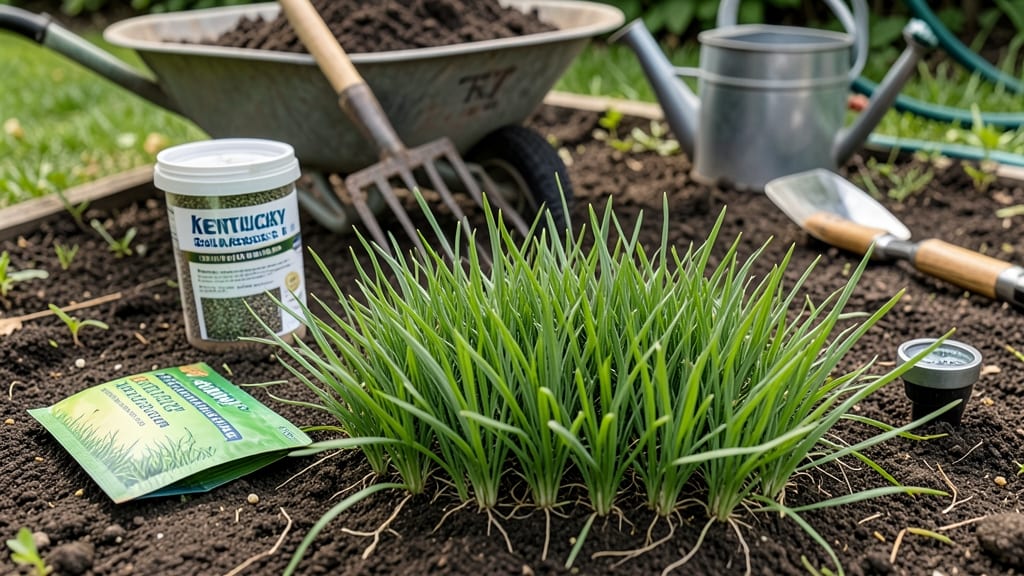
Planting grass at the wrong time in spring can turn your lush lawn dreams into a patchy, frost-bitten mess—yet most gardeners guess instead of checking the science. The secret to success isn’t just waiting for warmer weather; it’s knowing when your soil reaches the perfect temperature for germination.
In USDA Zone 6a, where last frosts typically hit around April 15, timing matters more than you’d think. Planting too early risks seed loss from overnight chills, while waiting too long can mean missed growth opportunities.
I’ll show you exactly how to read your soil’s signals and avoid these common pitfalls.
Most people assume "spring" means March, but the real window opens when soil hits 50°F–65°F—a range that varies by grass type and region. Cool-season grasses like Kentucky bluegrass thrive in early spring, while warm-season varieties like Bermuda grass prefer late spring planting.
Let’s break down the checklist you’ve been missing.
You’ll discover how to test soil temperature (without fancy tools), spot the 5 signs your lawn is ready, and adjust your schedule for regional differences. No more guesswork—just a green, thriving yard that starts with the right move at the right time.
Ideal spring soil temperature for grass planting by region
Planting grass in spring isn’t just about avoiding frost—it’s about soil temperature. Most cool-season grasses (like Kentucky bluegrass or fescue) thrive when soil reaches 50°F–65°F, while warm-season grasses (like Bermuda or Zoysia) need 65°F–75°F.
Getting this wrong can leave you with patchy germination or seed that rots in cold, wet soil. Let’s break down the perfect planting windows by region and grass type.
Your last frost date is your first clue, but soil temperature tells the real story. For example, in USDA Zone 5, you might see last frost in late April, but soil may still be too cold for planting until early May.
In Zone 8 or 9, you could start as early as February—but only if soil warms quickly. Always check soil temp, not just air temp.
Here’s how to match your grass variety to your climate zone and avoid common mistakes like planting too early (risking frost damage) or too late (missing the optimal growth window).
🌱 Spring Grass Planting Guide by Region
| Region (USDA Zone) | Cool-Season Grasses (e.g., Fescue, Bluegrass) | Warm-Season Grasses (e.g., Bermuda, Zoysia) | Soil Temp Range | Best Planting Window |
|---|---|---|---|---|
| Zones 3–5 (Cold Climates) | Early to mid-spring | Late spring (after last frost) | 50°F–65°F | April–May |
| Zones 6–7 (Temperate) | Late winter to early spring | Early to mid-spring | 55°F–70°F | March–April |
| Zones 8–10 (Warm Climates) | Fall (better option) | Early spring or late summer | 65°F–75°F | February–March |
💡 Pro Tip: Use a soil thermometer to confirm temps—air temp can be misleading!
If you’re in a transition zone (like Zone 7), you might need to plant cool-season grass in fall and warm-season grass in late spring. For example, tall fescue can handle cooler soil, while centipede grass waits for warmer conditions. Always read your seed packet—it lists ideal soil temps!
Another key factor is overnight frost risk. Even if daytime temps are perfect, 50°F soil at night can stress young grass seedlings. In northern states, wait until 3–4 weeks after last frost to be safe.
In the South, you might plant 4–6 weeks earlier since soil warms faster.
For sod vs. seed, timing shifts slightly. Sod establishes faster, so you can plant it 1–2 weeks earlier than seed. But seed needs consistent warmth to germinate, so don’t rush it. If you’re unsure, test your soil—I’ll show you how in the next section!
One common mistake is planting when soil is too wet or too dry. Wet soil can suffocate seeds, while dry soil prevents germination. Aim for moist but crumbly soil—like a damp sponge. If your soil feels sticky or clumps, wait a few days.
Finally, shade and microclimates matter. A north-facing slope stays cooler longer, while a south-facing area warms up faster. If your lawn has partial shade, choose shade-tolerant grasses like fine fescue and adjust your planting window accordingly.
Ready to test your soil like a pro? In the next section, I’ll walk you through using a soil thermometer and interpreting the results—no guesswork involved!
How to test soil temperature before planting grass
Before rushing to plant your spring grass seed, checking the soil temperature is the smartest move I’ve made as a gardener. Cold soil can stall germination, leaving you with bare spots and frustration.
The magic window for most cool-season grasses (like Kentucky bluegrass) is between 50°F and 65°F, while warm-season grasses (like Bermuda) need 65°F to 75°F. Without testing, you might plant too early and risk frost damage—or too late and miss the ideal growing window.
Don’t guess—grab a soil thermometer (they’re cheap and worth it!). These handy tools measure the temperature 4 to 6 inches deep, where your grass roots will thrive. Early mornings are best for testing because overnight temps can drop, giving you a realistic snapshot of conditions.
If your soil is still hovering below 50°F, wait a few days and retest. Patience here saves you from wasted seed and money.
Use a soil thermometer (digital or analog) designed for gardening. Avoid kitchen tools—they’re not precise enough!
Insert the probe 4–6 inches deep into moist soil (where roots will grow). Avoid dry or compacted areas.
Test between 8 AM and 10 AM for the most accurate reading. Soil warms up during the day, so morning temps reflect overnight conditions.
If temps drop below 50°F at night, delay planting. Use a frost blanket or wait until the last frost date has passed.
Test for 3–5 days in a row to confirm stable temps. Fluctuations can stress young grass seedlings.
Pro tip: If your soil is too cold, use black plastic mulch to warm it up faster. Lay it down for 1–2 weeks before planting—it absorbs sunlight and raises soil temps by 5–10°F. This trick is a game-changer for gardeners in northern climates where spring arrives late. Just
One common mistake? Testing on a sunny day and assuming the soil is warm enough. Shade and cloud cover can skew readings. For the most reliable data, test on an overcast day or in a shaded area of your yard. This gives you a truer picture of what your grass will face.
Once your soil hits the sweet spot, act fast! Grass seeds germinate quickly when conditions are ideal, so have your seed, fertilizer, and watering schedule ready. A little prep work now means a thicker, greener lawn in just a few weeks.
And trust me, skipping this step is how you end up with a lawn full of weeds instead of grass.
If you’re still unsure, watch for weeds sprouting—they’re nature’s way of telling you the soil is warm enough. But don’t wait until weeds pop up; they’ll compete with your grass for nutrients and space.
Plant when the soil is just right, and you’ll be rewarded with a lush, low-maintenance lawn all season long. 🌱