
Companion Plants
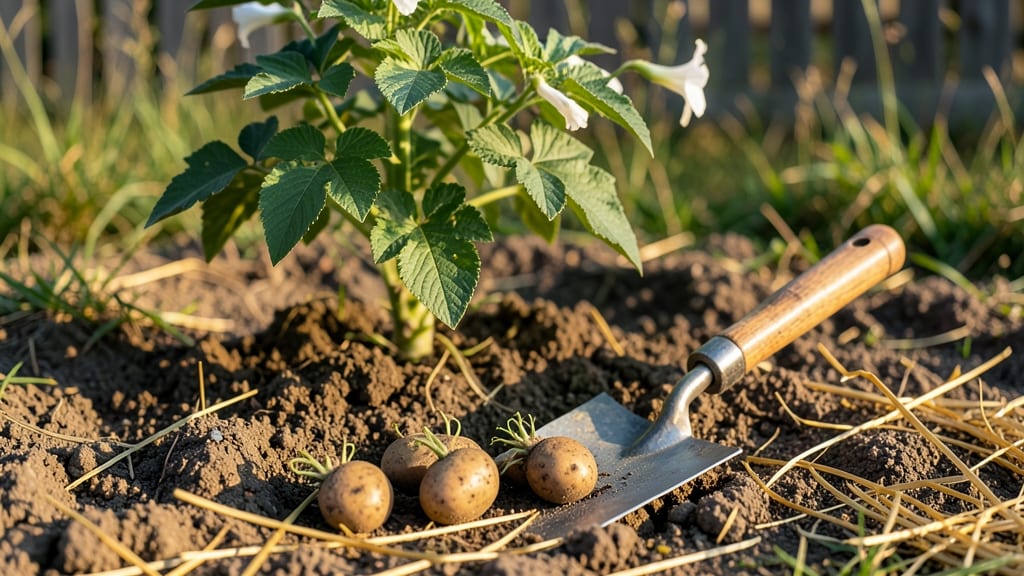
If you’ve ever stared at your seed potatoes wondering "when can I plant potatoes in Zone 5b" without a clear answer, you’re not alone. The wrong timing can mean wasted effort—or worse, a crop lost to frost.
But here’s the good news: with the right schedule, you can grow bountiful 🥔 harvests that outperform store-bought spuds every time.
In Zone 5b, where last frosts linger until mid-May and early heat arrives by June, precision matters. Plant too soon, and your potatoes risk frost damage. Wait too long, and you’ll miss the optimal window for maximum tuber growth.
The secret lies in balancing soil temperature, frost dates, and variety selection—something I’ll break down step by step.
You’ll discover exactly when to start seed potatoes indoors (yes, it’s earlier than you think) and the critical outdoor planting window that guarantees strong starts. Whether you’re growing early varieties for June harvests or late-season potatoes for fall, this guide ensures you never guess again.
Ready to ditch the uncertainty? Let’s turn your potato patch into a high-yielding success—no frost-related disappointments included.
Zone 5B potato planting timeline: when to start indoors vs. direct soil
In Zone 5B, where last frost dates can swing between mid-April and late May, timing your potato planting is everything. Plant too early, and a late frost will kill your tender sprouts.
Plant too late, and you’ll miss the 90-day harvest window for most varieties. The key? Understanding soil temperature thresholds and your local frost history.
Potatoes thrive when soil temperatures hit 45°F (7°C), but they’ll bolt or rot if planted in cold, wet soil. In Zone 5B, this usually means waiting until mid-April to early May for direct planting—but there’s a smarter strategy.
Starting seed potatoes indoors 4-6 weeks before your last frost date gives you a head start on the season.
🌱 Pro Tip: Check your local Almanac’s frost dates or use a soil thermometer to confirm readiness. Zone 5B’s unpredictable weather demands flexibility!
Zone 5B Potato Planting Comparison
| Method | When to Start | Soil Temp | Planting Depth | Frost Risk |
|---|---|---|---|---|
| Indoor Starts | 4-6 weeks before last frost | 50-55°F (10-13°C) | 4 inches deep | Low (harden off) |
| Direct Soil | 2 weeks after last frost | 45-50°F (7-10°C) | 4-6 inches deep | Moderate (use row covers) |
| Fall Planting | Late August-September | 50-55°F (10-13°C) | 4 inches deep | High (use mulch) |
🌱 Adjust timing based on your specific last frost date—Zone 5B can vary by 2+ weeks!
For early varieties like Yukon Gold or Red Pontiac, aim to plant seed potatoes by April 15th in Zone 5B. These fast-maturing types (60-75 days) can handle cooler soils and still deliver a harvest before summer heat sets in.
Meanwhile, late varieties like Russet Burbank need to go in after May 1st to avoid bolting from heat stress.
If you’re using transplants instead of seed potatoes, wait until two weeks after your last frost date—they’re more delicate and can’t handle cold soil. Harden off seedlings for 7-10 days before transplanting to prevent shock.
Zone 5B gardeners often extend their season with row covers or cold frames. These tools let you plant 2-3 weeks earlier than the traditional timeline, giving you a jump on the growing season. Just remove covers once soil warms to 55°F (13°C) to avoid overheating.
Don’t forget about fall planting! In Zone 5B, you can squeeze in a second crop by planting late August to early September. Choose early-maturing varieties (like New Potatoes) and harvest before the first frost in mid-October.
Mulch heavily with straw to insulate tubers from early cold snaps.
To track your progress, mark your garden with planting flags showing soil temps and frost dates. In Zone 5B, soil thermometers are your best friend—never guess! A 45°F (7°C) soil temp is your green light for planting.
Finally, plan for succession planting. In Zone 5B, you can stagger plantings every 2-3 weeks from April to June for a continuous harvest. Just adjust spacing and depth to accommodate your garden layout.
With these frost-proof strategies, you’ll turn Zone 5B’s unpredictable weather into your potato-growing advantage. Happy planting! 🥔
How to adjust your potato planting schedule for Zone 5B’s unpredictable weather
Zone 5B’s weather can be as unpredictable as a spring rainstorm—one day warm, the next a surprise frost. That’s why flexibility is key when planting potatoes here. If you miss the ideal window of mid-April to early May, don’t panic. With the right strategies, you can still grow a thriving potato crop even with late frosts or early heatwaves. The secret lies in soil temperature, cold-hardy varieties, and protective measures like row covers. For example, if your soil stays cold past your usual planting date, wait until it reaches 45°F—that’s when seed potatoes will sprout reliably. But if frost sneaks in, cover your plants with frost cloth or straw mulch to shield tender foliage.⚠️ Late Frost Warning
Never plant potatoes too early—even cold-hardy varieties like Yukon Gold or Red Pontiac can suffer if frost hits after sprouting. If your last frost date slips to mid-May, delay planting until soil warms to 50°F and use black plastic mulch to speed up heating.
For early heatwaves, opt for shade cloth or plant in morning sun to prevent stress. If your summer turns scorching, water deeply (1-2 inches per week) and mulch heavily to retain moisture. Another trick? Plant a second crop in late August—by then, the soil is still warm, and you’ll harvest before the first frost in mid-October.
If you’re worried about soil moisture, amend your beds with compost before planting. Sandy soils dry out fast, while clay holds too much water—both can stunt potatoes. Aim for loamy, well-draining soil with a pH of 5.0 to 6.5. A quick fix? Mix in peat moss or aged manure to improve texture and fertility.
Don’t overlook row covers—they’re a game-changer for Zone 5B gardeners. Use them to:
- Extend the spring planting window by 2-3 weeks
- Protect newly sprouted plants from late frosts
- Shield blooming plants from hail or wind
For fall planting, choose fast-maturing varieties like Red Norland (60-70 days) and plant by late August. Harvest before the first frost in mid-October to avoid tuber damage. If frost hits early, dig up a few potatoes as a test—if they’re firm and skin has toughened, they’re ready!
Pro tip: Keep a planting journal to track your Zone 5B successes (and failures). Note when you planted, soil temps, and any weather surprises. Over time, you’ll refine your schedule—maybe you’ll find late April works better than early May, or that black plastic mulch lets you plant a week earlier.
🌱