
Plants
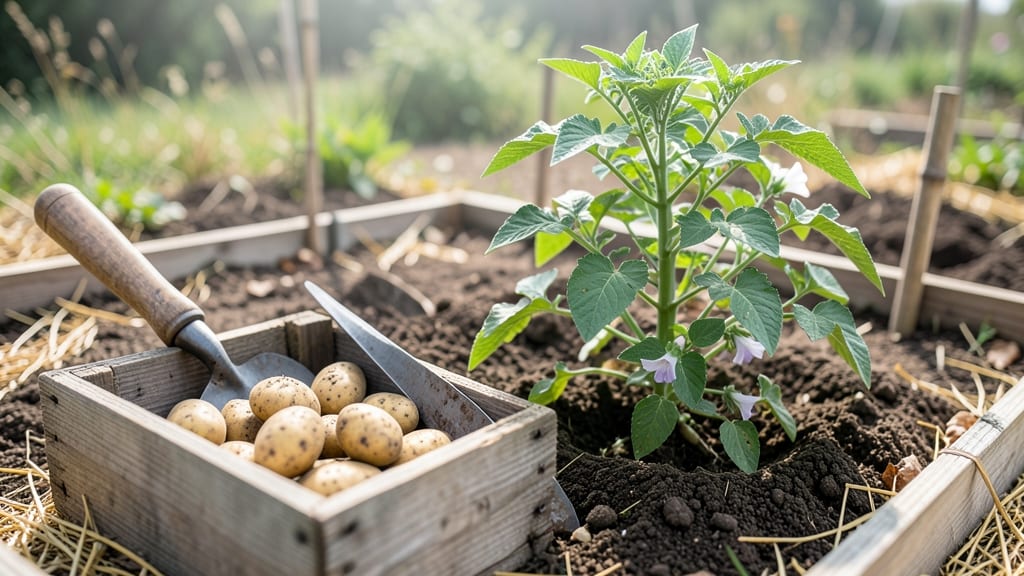
If you’ve ever planted fall potatoes in Arkansas only to watch them bolt before producing a single tuber, you’re not alone. The difference between a zero-bolt harvest and a wasted effort often comes down to one thing: soil temperature—not just the calendar date.
Here in USDA Zones 7a-8b, where humidity and late-summer heat can trick potatoes into flowering prematurely, timing is everything. Plant too early, and you risk bolting; too late, and frost steals your harvest before tubers mature.
The secret? Waiting until soil temps hit that 50-65°F sweet spot—a window most Arkansas gardeners miss.
I’ll show you exactly when to plant—August to early September—based on real Arkansas conditions, plus how to adjust for your specific microclimate. No more guessing, just high-yield, frost-resistant potatoes ready for your winter table.
Let’s dive into the soil temp rules that’ll keep your 🥔 harvest on track, no matter where you garden in the state.
Arkansas fall potato planting calendar: soil temp rules for zero-bolt success
Arkansas gardeners face a unique challenge with fall potatoes: the humid heat of late summer can trigger premature bolting, while early frost threats cut harvests short. The solution? Plant when soil temps hit 50-65°F, not just calendar dates. This window ensures tubers develop without flowering too soon.
Most Arkansas counties fall in USDA Zones 7a-8b, where first frost arrives November 15 (earlier in highlands like the Ozarks). To maximize yield, aim for a 90-110 day harvest window—plant 4-6 weeks before frost for tubers to mature fully.
Here’s the Arkansas fall potato planting timeline based on soil temperatures and regional microclimates:
Notice how southern Arkansas (Delta region) can plant earlier than northern zones—their warmer soils allow for faster tuber development. Use a soil thermometer ($15 at garden centers) to confirm temps before planting. Stick seeds 4 inches deep for consistent germination.
For container growing, Arkansas gardeners in urban areas (like Fayetteville) can extend the season by using black plastic mulch to warm soil. This raises temps by 5-10°F, letting you plant 2-3 weeks later than ground-planted potatoes.
Pro tip: Chit your seed potatoes (expose to light for 2-3 weeks before planting) to jumpstart growth. This is especially critical in Zone 7a (Ozarks) where cooler nights slow germination.
Miss the ideal window? Don’t panic. Late August plantings can still yield small harvests if protected with row covers after frost dates. Just reduce irrigation in October to harden tubers before cold snaps.
Arkansas’s humidity also demands well-draining soil. Amend clay-heavy areas with compost or sand to prevent rot. Test soil pH—potatoes thrive at 5.0-6.5.
🌱
5 Critical soil temperature zones in Arkansas and their planting triggers
Arkansas' diverse climate means your potato planting success hinges on understanding soil temperature zones. Unlike calendar dates, soil temps dictate when seed potatoes activate without bolting prematurely. In northern Arkansas (USDA Zone 7a), aim for 50-55°F soil—cooler than southern regions where 55-65°F works.
A soil thermometer is your best tool to pinpoint the perfect window.
Here’s how Arkansas’ microclimates break down: the Ozark Highlands (northwest) often need earlier planting due to cooler soils, while the Delta Lowlands (southeast) can wait until late August.
Even a 5°F difference can mean the difference between bolting and ideal tuber growth. Check temps 1 inch deep—surface temps fluctuate wildly.
⚠️ Critical Warning: Planting too early (soil <50°F) stalls growth, while waiting too long (soil >65°F) triggers bolting. Arkansas’ average first frost (Nov 15) means you’ve got just 80-90 days to harvest before cold sets in. Time it wrong, and you’ll lose your crop to frost.
- 📍 Northwest Highlands (Zone 7a)
Plant when soil hits 50-55°F (late July-early Aug). Cooler soils delay sprouting but prevent bolting. - 📍 Central Arkansas (Zone 7b)
Aim for 55-60°F soil (early-mid Aug). Ideal balance for tuber growth and frost avoidance. - 📍 Arkansas River Valley (Zone 7b-8a)
Wait for 60-65°F soil (mid-late Aug). Warmer soils speed growth but risk bolting if delayed. - 📍 Delta Lowlands (Zone 8a-b)
Plant at 60-65°F+ soil (late Aug-early Sept). Longer growing season allows later starts. - 📍 Mountain Regions (Zone 6b-7a)
Start earliest: 45-50°F soil (July). Shorter season demands faster growth.
To avoid bolting disasters, plant certified seed potatoes (not grocery store spuds) in well-draining soil amended with compost. In Arkansas’ humid climate, mulch with straw or leaves to regulate soil temps and retain moisture. If your soil runs hot (common in Delta regions), plant shallow trenches to cool roots.
For maximum yield, stagger plantings every 2 weeks across your zone. This ensures a continuous harvest before frost hits. In northern Arkansas, aim for Aug 1-15; in the south, Aug 15-Sept 1 works best. Adjust based on your local frost date—check the Arkansas Climate Office for updates.
Remember: Soil temp > air temp for planting decisions. A 50°F soil in shade can feel like 60°F in sun—always measure where you’ll plant. With this approach, you’ll dodge bolting and harvest plump, zero-bolt potatoes before Arkansas’ first frost. 🌱