
How To
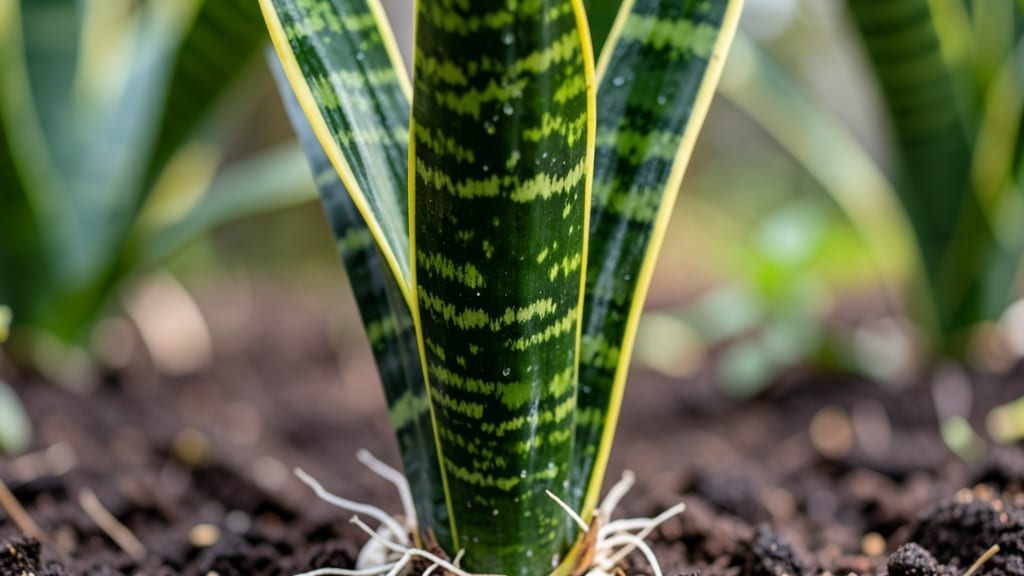
If you’ve ever glanced at your snake plant 🌱 and wondered how tall it can grow, the answer depends more on its variety and care than you might think.
Some varieties grow just 1 foot tall, while others can tower up to 4 feet—and the difference comes down to light, pot size, and a few simple tricks.
Understanding your snake plant’s growth potential isn’t just about aesthetics—it’s about creating the right conditions for its health. Whether you’re dealing with a Laurentii or a cylindrica, knowing how tall it can grow helps you plan for its future, from repotting to styling.
Let’s break down the height ranges by variety and the care tweaks that make all the difference.
Most snake plants reach their mature height within 2-3 years, but their final size isn’t set in stone. With the right light exposure and occasional pruning, you can encourage vertical growth—or keep it manageable for small spaces.
The key? Paying attention to subtle cues like leaf length and root congestion.
Ready to stop guessing and start growing? I’ll walk you through everything—from the tallest varieties to the 3-step pruning method that keeps your snake plant thriving at the perfect height for your home. Let’s get started.


Snake plant height by variety: from compact to towering
Snake plants (Sansevieria trifasciata and relatives) are famous for their low-maintenance nature, but their height potential varies dramatically by variety. Some stay under 2 feet while others can stretch toward 4 feet or more.
Understanding these differences helps you choose the right plant for your space—and manage expectations for growth.
Most snake plants grow vertically at 2-6 inches per year, but factors like light exposure, pot size, and pruning habits can accelerate or slow this growth.
For example, a Sansevieria 'Futura Superba' might reach 3 feet in 3 years with ideal care, while a 'Hahnii' (bird's nest snake plant) stays compact at just 1-2 feet tall.
Below is a detailed comparison of 10+ popular varieties, including their mature heights, growth rates, and ideal conditions to maximize their potential. Use this as your guide to selecting—or managing—the perfect snake plant for your home.
| Variety | Mature Height | Growth Rate | Notes |
|---|---|---|---|
| Sansevieria 'Laurentii' | 3-4 ft | 4-6 in/year | Classic tall variety with yellow edges |
| Sansevieria 'Futura Superba' | 3-4 ft | 3-5 in/year | Bold, upright leaves; needs space |
| Sansevieria 'Hahnii' (Bird's Nest) | 1-2 ft | 2-4 in/year | Compact, rosette-forming; slow grower |
| Sansevieria 'Cylindrica' | 2-3 ft | 3-5 in/year | Cylindrical leaves; tall and slender |
| Sansevieria 'Moonshine' | 2-3 ft | 4-6 in/year | Light green, thick leaves; fast grower |
| Sansevieria 'Black Gold' | 2-3 ft | 3-5 in/year | Dark, almost black leaves; dramatic look |
| Sansevieria 'Twisted Sister' | 3-4 ft | 5-7 in/year | Spiral leaves; aggressive grower |
| Sansevieria 'Golden Hahnii' | 1-2 ft | 2-3 in/year | Dwarf version of 'Hahnii' with yellow edges |
📏 Height Tip: Most varieties double in height every 2-3 years with proper care.
If you’re working with limited vertical space, varieties like 'Hahnii' or 'Golden Hahnii' are ideal for shelves or desks. For statement-making height, 'Futura Superba' or 'Twisted Sister' will give you that dramatic, ceiling-reaching look—just be prepared to repot every 2-3 years to accommodate their growth.
One common misconception is that all snake plants grow equally tall. In reality, genetics play a huge role, but so does your care routine. For instance, a 'Laurentii' in a small pot with low light might only reach 2 feet, while the same variety in a large pot
Factors that control snake plant height: light, pot size, and pruning
Your snake plant's height isn't just luck—it's a mix of light exposure, container size, and how you prune it. Too little light? Expect stunted, leggy growth. Too much? Risk sunburned tips. Let’s break down how each factor plays a role in your plant’s vertical destiny.
First, light exposure is the biggest height controller. Snake plants crave bright indirect light (think east or north-facing windows). In low light, they stretch 30-50% taller than normal, reaching for sunlight. But direct sun can scorch their leaves, halting growth. Balance is key!
Pot size directly limits root spread, which in turn caps height. A snake plant in a cramped 6-inch pot may max out at 2 feet, while the same variety in a 24-inch planter could hit 4 feet. Roots need room to anchor and support upward growth.
✂️ Pruning Tips for Height Control
- Trim leggy leaves at base to encourage bushier growth
- Use sterile scissors to cut 1-2 inches above soil line
- Repot root-bound plants to stimulate vertical growth
- Rotate pot quarter-turn weekly for even light exposure
- Over-prune—remove no more than 1/3 of leaves at once
- Use dull tools that crush stems
- Prune during active growth (spring/summer)
- Ignore yellow leaves—they signal stress, not pruning needs
Pruning isn’t just about height—it’s about health. When you remove damaged leaves, you redirect energy to new growth. I once pruned a 3-foot 'Laurentii' back by 50%—it responded by producing two new pups within 3 months, each growing taller than the original!
For tall varieties like Sansevieria cylindrica, focus on support. Use a bamboo stake if leaves flop. For compact types like 'Hahnii', prune aggressively to maintain their 1-2 foot height. The goal? Shape growth to fit your space—whether that’s ceiling-high or countertop-friendly.
Pro tip: Watering habits also sneakily affect height. Overwatering causes root rot, which stunts growth. Always let the top 2 inches of soil dry between waterings. Your snake plant’s height is a team effort—light, pot, pruning, and water all play their part.