
How To
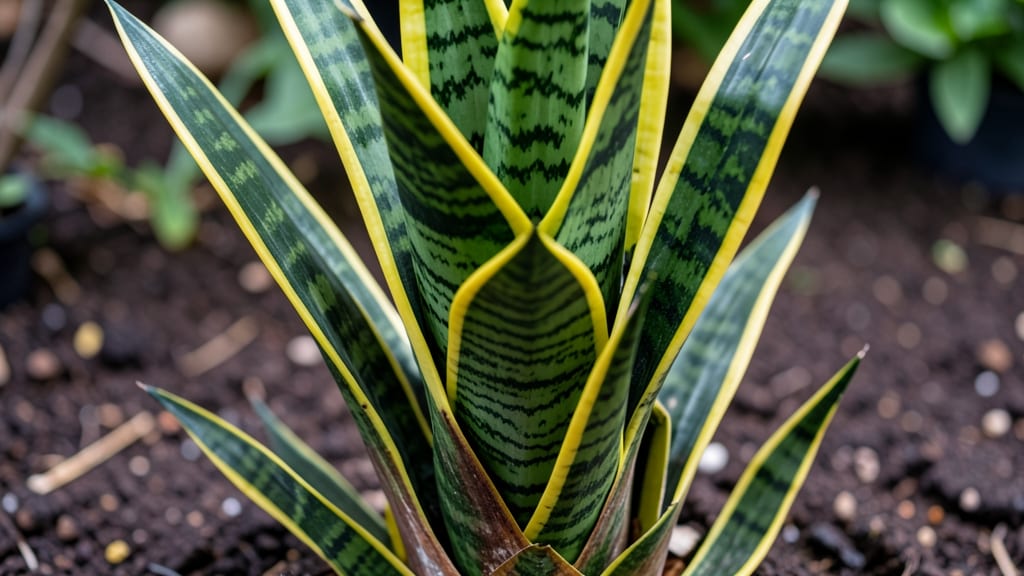
If you're wondering how tall can snake plant grow, you might be surprised to learn it can stretch from a modest 1 foot to a towering 6 feet—or even taller in perfect conditions.
This hardy 🌱 isn't just a low-maintenance houseplant; it's a vertical statement piece that adapts to your space (or takes over it).
The key to controlling its height lies in understanding its natural growth patterns and the subtle tweaks you can make in care.
Whether you're dealing with a compact variety or a fast-growing specimen, knowing what influences its upward reach helps you shape it to fit your home—without sacrificing its striking beauty.
From the slow-growing Sansevieria trifasciata to the more aggressive Sansevieria cylindrica, each type has its own growth quirks. I’ll break down how factors like light, pot size, and watering habits can either encourage a sky-high plant or keep it at a manageable height.
Ready to learn how to manage your snake plant’s growth? You’ll discover practical tips to prune, propagate, and even repurpose cuttings—so you can enjoy its architectural charm without it becoming a ceiling hazard.


Natural height limits of snake plants indoors: what to expect
Your snake plant (Sansevieria trifasciata) might start small, but with the right conditions, it can grow taller than you expect. On average, indoor snake plants reach 1 to 4 feet in height, though some varieties—like the towering Sansevieria cylindrica—can stretch up to 6 feet or more.
Understanding these limits helps you plan for space and care needs before your plant outgrows its spot.
Growth isn’t linear—young snake plants grow 1-2 feet in their first year, then add another 1-2 feet annually until they mature. For example, a 3-year-old snake plant might hit 3-4 feet, while a 5-year-old specimen could tower over your standard kitchen countertop (3 feet).
The key? Light exposure and pot size play huge roles in how fast (or slow) they grow vertically.
If you’re worried about your snake plant becoming a vertical monster, don’t panic. Most indoor growers keep their plants in compact forms by pruning or choosing dwarf varieties like Sansevieria 'Futura Superba', which maxes out around 2 feet.
Even standard varieties can be managed with the right care—more on that later!
| Variety | Mature Height | Growth Rate | Notes |
|---|---|---|---|
| Sansevieria trifasciata 'Laurentii' | 3–4 feet | Slow to moderate | Classic variegated edges; popular for beginners |
| Sansevieria cylindrica | 4–6 feet | Moderate to fast | Cylindrical leaves; needs tall containers |
| Sansevieria 'Futura Superba' | 2–3 feet | Slow | Dwarf variety; ideal for small spaces |
| Sansevieria 'Hahnii' | 1–2 feet | Very slow | Bushy, rosette form; great for hanging baskets |
| Sansevieria 'Moonshine' | 2–3 feet | Moderate | Light green leaves; compact growth habit |
One of the most common questions I hear is, "Will my snake plant ever stop growing?" The short answer: Yes, but it’s a slow process. Snake plants grow taller for years before reaching their genetic height limit.
For instance, a Sansevieria trifasciata might keep growing for 5–10 years before slowing down, while dwarf varieties like 'Hahnii' mature in just 3–4 years. Patience is key—these plants are built for longevity!
Outdoor snake plants, on the other hand, can grow even taller—sometimes reaching 8 feet or more in ideal conditions. But since most of us grow them indoors, focus on container size and light exposure to keep them within your desired height range.
A 6-inch pot will restrict root growth, while a 12-inch pot encourages taller, fuller plants.
If you’ve noticed your snake plant growing leaning or lopsided, it’s likely reaching for light. This isn’t just a height issue—it’s a structural warning sign.
Rotate your plant quarter-turns every few weeks to encourage even growth. For extra stability, use a heavier pot or stake tall varieties to prevent toppling over.
Pro tip: Snake plants grown in bright, indirect light (like near an east-facing window) tend to grow taller and straighter than those in low-light spots. If your plant is stretching toward a window, it’s begging for more natural sunlight.
A simple fix? Move it closer to the light source or supplement with a grow light for 4–6 hours daily.
Remember, every snake plant is unique. Some may stay shorter than expected due to genetics or stress, while others shoot up faster with optimal care. The good news?
You’re in control. By understanding your plant’s variety, light needs, and container size, you can guide its growth—whether you want a compact centerpiece or a statement-piece tower.
Natural height limits of snake plants indoors: what to expect
Snake plants (Sansevieria trifasciata) are famous for their striking vertical growth, but their final height depends heavily on their environment.
On average, most indoor snake plants reach 1 to 4 feet tall within 3–5 years, though some varieties like Sansevieria 'Futura Superba' can stretch up to 6 feet with ideal care. Their slow, steady growth makes them perfect for small spaces—until they don’t!
Young snake plants grow 1–2 feet in their first year, then add 6–12 inches annually afterward. The key difference? Species and care conditions dramatically alter height. For example, Sansevieria cylindrica (cylindrical snake plant) stays compact (1–2 feet), while Sansevieria 'Hahnii' (bird’s nest snake plant) rarely exceeds 2 feet.
Even within the same species, light exposure and pot size can double or halve growth rates.
🌱
| Variety | Mature Height | Growth Rate | Notes |
|---|---|---|---|
| Sansevieria trifasciata 'Laurentii' | 3–4 ft | 6–12 in/year | Classic variety; tall with yellow edges |
| Sansevieria 'Futura Superba' | 4–6 ft | 8–15 in/year | Fastest-growing; needs space |
| Sansevieria 'Hahnii' | 1–2 ft | 3–6 in/year | Compact; rosette shape |
| Sansevieria cylindrica | 1–2 ft | 4–8 in/year | Cylindrical leaves; slow grower |
Extreme cases show snake plants can grow even taller—up to 8 feet in outdoor tropical climates with abundant sunlight and nutrients. However, indoors, ceiling-height growth (6–8 feet) is rare unless you’re growing Sansevieria 'Futura Superba' in a large pot with bright light.
Most homeowners keep their plants 3–4 feet tall by pruning or repotting every 2–3 years.
If your snake plant is already taller than your furniture, don’t worry—you’re not alone! Many growers intentionally prune to maintain manageable heights. The good news? Snake plants recover quickly from pruning, and you can propagate the cuttings to share with friends or expand your collection.
Just remember: patience is key—rushing growth with overwatering or fertilizer can stunt height or damage the plant.
🌿