
Plants
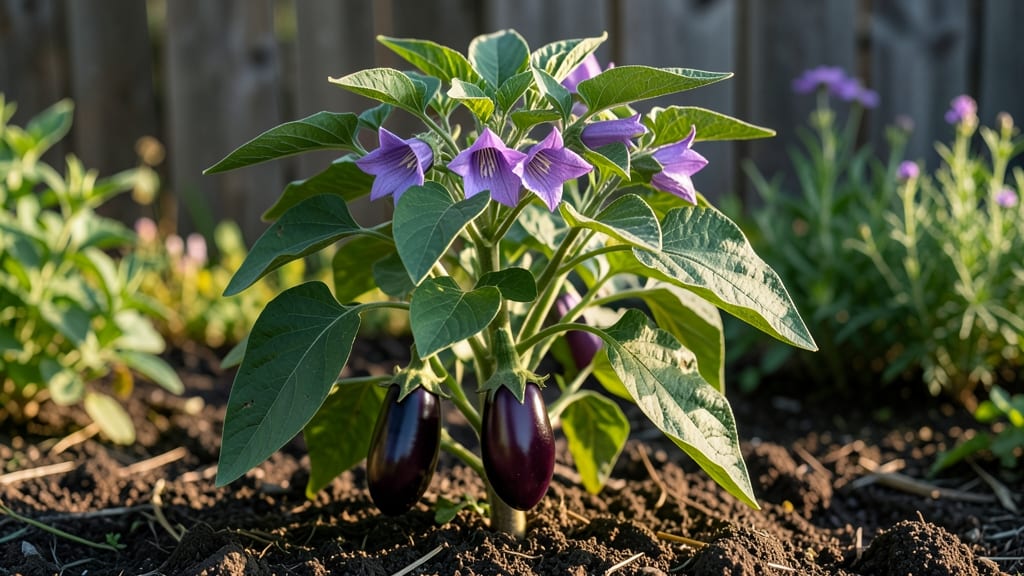
Wondering how tall does an eggplant plant grow before it starts dominating your garden?
The answer might surprise you—especially if you're balancing space with dreams of a bountiful harvest. 🍆 Most varieties reach a manageable 2 to 4 feet, but some dwarf types stay compact at just 1 to 2 feet, while others can stretch toward 5 feet if left unchecked.
Choosing the right variety for your space is the first step to avoiding a jungle-like scenario. Whether you're working with a small balcony or a sprawling backyard, understanding these height differences helps you plan everything from trellising to companion planting.
I'll break down the specifics so you can pick the perfect fit for your garden layout.
Beyond variety, factors like pruning and trellising can dramatically influence your eggplant's growth habits. A well-supported plant not only saves space but also produces larger, healthier fruit. Let’s explore how to keep your eggplants thriving—no matter their height—so you can enjoy a productive harvest without the chaos.
Ready to turn your garden into an eggplant oasis? I’ll walk you through the best practices for managing height, from selecting the right seeds to maintaining your plants throughout the growing season. Let’s get started!


Eggplant height by variety: compact vs. towering types
Eggplants come in a surprising range of heights, from compact bush varieties perfect for containers to towering giants that need trellises. The average mature eggplant height falls between 2 to 4 feet, but some heirloom varieties can stretch up to 5 feet or more.
Choosing the right variety isn't just about space—it also impacts your harvest size and ease of care.
For example, dwarf eggplants like 'Fairy Tale' stay under 2 feet tall, making them ideal for balconies or small gardens. Meanwhile, standard varieties such as 'Black Beauty' typically reach 3 to 4 feet, requiring more spacing.
Understanding these differences helps you plan your garden layout efficiently and avoid overcrowding.
Here’s a quick comparison to help you visualize how different eggplant varieties grow in height and spread:
| Variety | Height Range | Spread | Growth Habit | Best For |
|---|---|---|---|---|
| 'Fairy Tale' | 1–2 ft | 1–1.5 ft | Compact bush | Containers, small spaces |
| 'Patio Baby' | 1.5–2.5 ft | 1.5–2 ft | Bushy | Balconies, urban gardens |
| 'Black Beauty' | 3–4 ft | 2–3 ft | Indeterminate | Standard gardens, trellises |
| 'Ichiban' | 4–5 ft | 3–4 ft | Tall, spreading | Large gardens, trellises |
| 'Rosa Bianca' | 2–3 ft | 2 ft | Bushy | Containers, small plots |
| 'Long Purple' | 4–5 ft | 3 ft | Tall, slender | Trellises, vertical gardens |
| 'Little Penny' | 1–2 ft | 1 ft | Dwarf | Window boxes, pots |
If you're growing eggplants in containers, prioritize dwarf or semi-dwarf varieties like 'Fairy Tale' or 'Little Penny'. These stay under 2 feet tall and thrive in 5-gallon pots with proper drainage.
For larger gardens, indeterminate varieties like 'Black Beauty' or 'Ichiban' produce more fruit but need 3 feet of spacing and may benefit from trellises.
One common mistake is assuming all eggplants grow the same height. For instance, 'Rosa Bianca' might look like a compact plant but can still reach 3 feet tall if given enough space.
Always check the seed packet or plant tag for mature height estimates to avoid overcrowding, which can lead to poor air circulation and disease risks.
For heirloom varieties, expect even more variation. Some, like 'Turkish Orange', can grow 4 to 5 feet tall and produce large, oblong fruits. If you love unique shapes and colors, these are rewarding but require more planning.
Pair them with support structures or give them extra space in your garden layout.
Pro tip: If you're short on space, consider interplanting eggplants with shallow-rooted companions like basil or lettuce. This maximizes your garden’s vertical and horizontal real estate while keeping your eggplants from feeling cramped. Just ensure they get enough sunlight and airflow to prevent issues like powdery mildew.
Remember, eggplant height isn’t just about the plant’s genetics—growing conditions play a huge role. Plants grown in poor soil or low light may become leggy and weak, stretching toward sunlight and growing taller than expected.
To keep them compact and healthy, use well-draining soil, consistent watering, and a balanced fertilizer like 10-10-10.
Finally, if you're growing eggplants for the first time, start with a medium-height variety like 'Black Beauty' to get a feel for their care requirements. Once you're comfortable, experiment with dwarf or giant varieties to see what thrives in your climate and space. Happy planting!
How to control eggplant height naturally (pruning, trellising, and more)
Eggplants can quickly outgrow their space, but with the right techniques, you can keep them at your desired height—whether that means compact bush varieties or tall vining plants trained upward. The key is understanding when and how to intervene without harming your plant's productivity.
I’ve found that pruning and trellising aren’t just about aesthetics; they’re essential for maximizing yields in small gardens or containers.
For standard varieties reaching 3–4 feet tall, pruning isn’t usually necessary, but it can help redirect energy to fruit production. Dwarf varieties, however, thrive with minimal intervention—just ensure they’re planted in well-draining soil and receive full sun exposure.
The goal is to encourage bushier growth while preventing leggy stems that flop over or attract pests.
Step-by-Step Guide to Managing Eggplant Height
- Step 1: Choose the right variety for your space. Dwarf types like 'Fairy Tale' (1–2 ft) are perfect for containers, while 'Black Beauty' (3–4 ft) needs more room.
- Step 2: Install trellises or cages early. Use 5–6 foot tall stakes or tomato cages for taller varieties to support their weight.
- Step 3: Prune selectively by removing suckers (small shoots in leaf axils) to focus energy on main stems and fruit.
- Step 4: Pinch back leggy growth by cutting stems just above a leaf node to encourage branching.
- Step 5: Mulch heavily to retain moisture and prevent root stress, which can stunt growth.
If your eggplant starts to outgrow its support, don’t panic—it’s often a sign of excessive nitrogen in the soil. Switch to a balanced fertilizer (like 10-10-10) and reduce feeding frequency.
I’ve seen over-fertilized plants grow 6+ feet tall with weak stems, making them prone to snapping under fruit weight. Always prioritize root strength over rapid vertical growth.
For container gardening, opt for dwarf or semi-dwarf varieties and use pruning shears to trim stems back by 1/3 after flowering begins. This trick forces the plant to bush out and produce more fruit at a manageable height.
Just be sure to sterilize your tools with rubbing alcohol between cuts to prevent disease spread.
One of my favorite space-saving hacks is vertical training—tying main stems to a trellis and allowing side branches to hang down. This method works wonders for balcony gardens and keeps fruit off the ground while maximizing vertical space.
Just avoid overcrowding; aim for 12–18 inches between plants to ensure airflow and reduce disease risk.
Remember, height control isn’t about stunting growth—it’s about guiding it. With the right techniques, you can enjoy bountiful harvests without sacrificing garden space or plant health. Start small, observe your plant’s response, and adjust as needed—your eggplants will thank you with juicy, flavorful fruit all season long. 🌱