
Plants
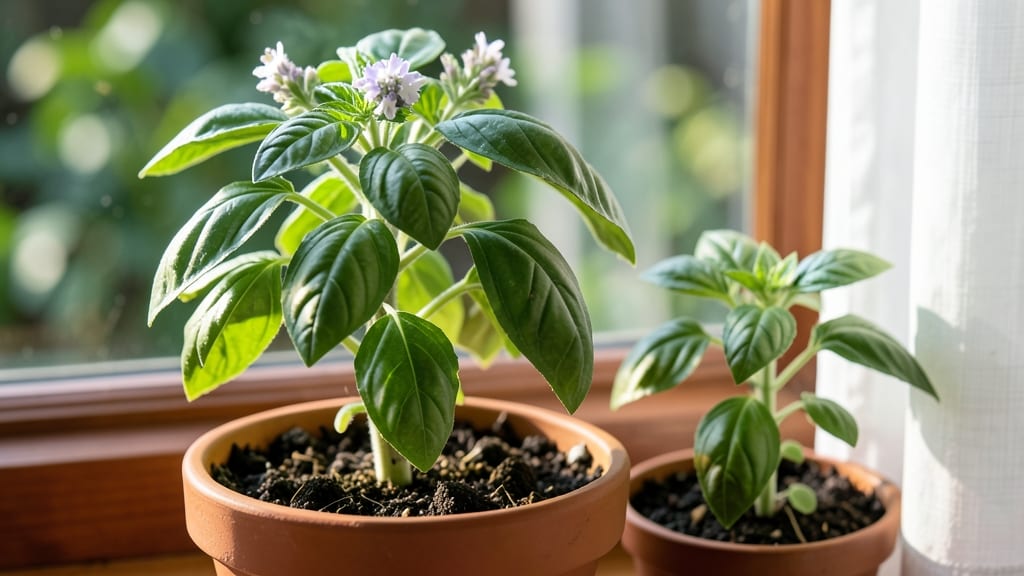
Basil plant height by variety: bush vs giant types compared
If you're growing basil, the first thing you'll notice is how dramatically its height varies by variety. Dwarf varieties like 'Spicy Globe' stay neatly between 6 to 12 inches, making them perfect for windowsills or small pots.
Meanwhile, standard varieties such as 'Genovese' can stretch up to 2 feet tall if left unpruned, while giant types like 'Mammoth' may even reach 3 to 4 feet in ideal conditions.
Your choice of basil variety directly impacts not just height but also growth habit. Bush varieties like 'Minette' grow in compact mounds, while tall varieties like 'Sweet Basil' develop long, slender stems. Understanding these differences helps you plan spacing and support needs before planting.
The height range of basil also depends on how you cultivate it. In containers, roots are restricted, keeping plants shorter, while in-ground basil can spread wider and grow taller. Even within the same variety, pruning habits can reduce height by up to 50% if you pinch back regularly.
| Variety | Height Range | Growth Habit | Best For |
|---|---|---|---|
| Dwarf (e.g., 'Spicy Globe') | 6–12 in | Compact, bushy | Windowsills, small pots |
| Standard (e.g., 'Genovese') | 1.5–2 ft | Tall, slender stems | Kitchen gardens, containers |
| Giant (e.g., 'Mammoth') | 3–4 ft | Very tall, sturdy | Large gardens, borders |
| Bush (e.g., 'Minette') | 1–1.5 ft | Wide, rounded | Pots, hanging baskets |
For container gardening, dwarf and bush varieties are ideal because their controlled height prevents them from toppling over. In contrast, giant basil varieties need sturdy pots or garden beds to support their weight.
If you're growing basil in indoor pots, choose varieties like 'Red Rubin' (12–18 inches) to avoid overcrowding.
Another factor to consider is leaf size. Larger-leaf varieties like 'Napoli' tend to grow taller because their foliage requires more energy. Smaller-leaf types, such as 'Thai Basil', stay shorter but produce more leaves per stem. This trade-off is worth noting if you prioritize leaf yield over plant height.
If you're planting basil in rows or garden beds, leave at least 12 inches between standard varieties to prevent overcrowding. For bush types, 8–10 inches of spacing is sufficient. Proper spacing ensures each plant gets enough sunlight and air circulation, which directly impacts height and overall health.
One common mistake gardeners make is assuming all basil varieties grow the same. Genovese basil, for example, can reach 24 inches without pruning, while 'Sweet Basil' often stays closer to 18 inches. Always check the seed packet or plant tag for height expectations before planting.
For urban gardeners with limited space, consider dwarf varieties or bush types. These stay under 12 inches and thrive in 5-gallon containers or even hanging baskets. If you love tall basil but lack space, try growing it vertically with a trellis or stakes to guide its height upward.
Finally, remember that pruning is the easiest way to control basil height. Regular pinching encourages bushier growth and prevents legginess. Even giant varieties can be kept at a manageable height with consistent pruning—just trim back the top 2–3 inches every 4–6 weeks.
Factors that influence basil plant height and how to control growth
Your basil plant’s height isn’t just about genetics—it’s a mix of growing conditions, care habits, and even your pruning techniques. While some varieties naturally grow taller, others stay compact with the right approach.
Understanding these factors helps you shape your basil’s size to fit your space, whether that’s a kitchen windowsill or a sunny garden bed.
One of the biggest influences is sunlight exposure. Basil thrives in 6+ hours of direct sun, which encourages strong, upright growth. Without enough light, plants stretch toward sunlight—leading to leggy, weak stems that can grow 2-3 feet tall but produce fewer leaves.
If your basil starts reaching for the sky, consider moving it to a sunnier spot or supplementing with a grow light indoors.
Soil quality also plays a role. Well-draining, nutrient-rich soil promotes steady, balanced growth. Poor soil can stunt height or cause uneven development. Amend your soil with compost or a balanced fertilizer (like 10-10-10) to support healthy stems and foliage. Over-fertilizing, however, can lead to excessive leafy growth at the expense of structural strength, making plants top-heavy and prone to flopping.
🌱 Key Factors Affecting Basil Height
- Sunlight: 6+ hours/day = compact, sturdy growth
- Pruning: Regular trimming = bushier, shorter plants
- Watering: Consistent moisture = steady growth
- Container Size: Root-bound plants grow taller
- Variety: Dwarf types stay under 12 inches
Pro Tip: Pinch off flower buds early to redirect energy into leaf growth, not height.
Watering habits can also impact height. Basil needs consistent moisture but hates soggy roots. Overwatering weakens stems, while underwatering stresses the plant, causing it to grow taller and sparser as it searches for water. Aim for 1 inch of water per week, adjusting for rain or heat. Mulching around the base helps retain moisture and keeps roots cool, encouraging healthier, more controlled growth.
Another critical factor is container size. Basil in small pots (under 6 inches wide) will grow taller as roots compete for space, leading to leggy, stretched stems. For compact growth, choose containers at least 12 inches wide to accommodate root spread.
If growing in the ground, space plants 12-18 inches apart to prevent overcrowding, which can stunt height or encourage disease.
Finally, temperature and humidity affect basil’s growth rate. Basil prefers warmth (70-80°F) and struggles in hot, dry climates or cool nights. In extreme heat, growth may slow, while high humidity can promote fungal issues that weaken stems.
Use shade cloth in peak summer or a fan for airflow to maintain ideal conditions for steady, manageable height.
By mastering these factors, you can control your basil’s height—whether you want a bushy, 12-inch pot plant or a tall, 3-foot garden specimen. The key is consistency: sunlight, soil, water, and pruning work together to shape your basil’s stature.
Experiment with your approach, and you’ll find the perfect balance for your space and harvest needs! 🌿