
Plants
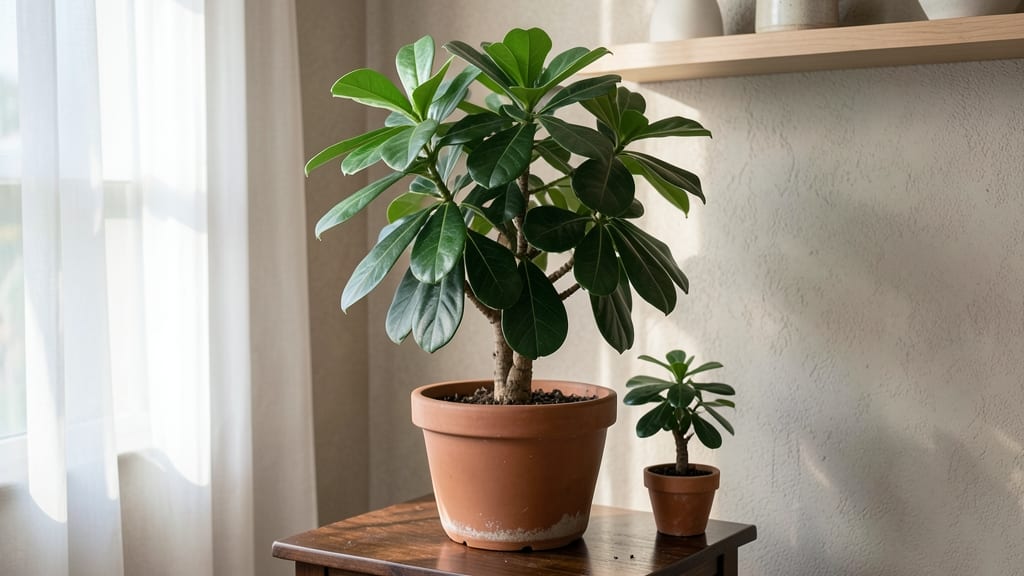
Wondering how tall does a schefflera plant grow before it becomes a full-blown statement piece in your home? The answer might surprise you—some varieties stay compact enough for shelves, while others can reach ceiling height and beyond, turning your space into a lush indoor jungle.
With its glossy, palm-like leaves and striking structure, the schefflera 🌿 is a favorite for both beginners and plant enthusiasts. But its growth potential depends on more than just luck—varieties like Schefflera actinophylla can stretch up to 12 feet indoors, while dwarf types stay under 5 feet.
The key to controlling its height lies in understanding its species and care needs.
If you're dreaming of a towering schefflera but limited by space, don’t worry—pruning and proper lighting can keep it at your desired height. I’ll break down how different varieties grow, what influences their height, and how to shape them for your space. Let’s get started!
Whether you’re aiming for a bushy tabletop plant or a dramatic floor statement, knowing these growth secrets will help you nurture a schefflera that fits your vision. Ready to transform your space with this versatile plant?


Schefflera plant height by variety: compact vs. towering options
Schefflera plants are famous for their striking foliage and adaptability, but their mature height can vary dramatically depending on the variety and growing conditions. If you're choosing one for your space, knowing whether it'll stay compact or towering helps you plan placement and care.
Let’s explore the most popular types and their typical heights.
First, the Schefflera arboricola, often called the dwarf schefflera or miniature schefflera, is the most common indoor variety. In ideal conditions, it reaches 3 to 5 feet tall but can be pruned to stay smaller.
This makes it perfect for desks, shelves, or small offices where space is limited.
For those with taller ceilings or outdoor spaces, the Schefflera actinophylla (also called the umbrella tree) grows much larger. Indoors, it can reach 6 to 10 feet tall, while outdoors, it may even exceed 12 feet in tropical climates.
This variety thrives in bright, indirect light and needs room to stretch its leggy stems.
Now, let’s break down the key differences in a quick comparison to help you visualize how each variety fits into your space.
If you're growing schefflera outdoors in USDA zones 10–12, expect even taller growth, especially for varieties like Schefflera actinophylla. In these climates, it can grow 15 feet or more with proper care, making it a stunning focal point in gardens or patios.
For indoor growers, the Schefflera arboricola is often the best choice if you want a manageable height. With regular pruning, you can keep it at 3 feet tall or even smaller, perfect for shelves or desks.
On the other hand, if you have high ceilings or a spacious room, the Schefflera actinophylla will thrive and add a tropical feel to your space.
One thing to note is that container size plays a huge role in height. Scheffleras grown in smaller pots tend to stay shorter because their roots are restricted, while those in larger containers or planted in the ground will grow taller.
If you're aiming for a compact schefflera, choose a pot that’s only slightly larger than the plant’s root ball.
Finally, don’t forget that light exposure affects height too. Scheffleras grown in low-light conditions may become leggy and reach for the light, while those in bright, indirect light grow fuller and more proportionate. Place your plant near an east-facing window for the best balance of height and bushiness.
Understanding these varieties and their growth habits will help you pick the perfect schefflera for your space—whether you want a desk-sized plant or a room-dividing giant.
Factors that influence schefflera plant height and growth speed
Your schefflera plant’s height isn’t set in stone—it’s shaped by a mix of environmental factors and the care you provide. Understanding these can help you steer its growth toward your desired height goals, whether you want a compact tabletop plant or a towering statement piece.
One of the biggest height influencers is sunlight exposure. Scheffleras thrive in bright indirect light, which encourages steady, upright growth. Placing your plant near an east-facing window gives it gentle morning sun without risking leaf scorch, promoting a balanced growth rate of about 12-24 inches per year.
Here’s how other key factors play into your schefflera’s height:
🌱 Key Growth Factors for Schefflera Height
- Sunlight: Bright indirect light = faster, taller growth; low light = slower, leggy growth.
- Pruning: Regular trimming encourages bushier growth and controls height; avoid over-pruning.
- Container Size: Root-bound plants grow slower; repot every 2-3 years for height boosts.
- Soil Quality: Well-draining, nutrient-rich soil fuels faster growth; poor soil stunts height.
- Watering: Consistent moisture supports steady growth; overwatering can cause root stress.
If you’re growing a schefflera indoors, container size matters more than you might think. Smaller pots restrict root growth, which naturally limits how tall your plant can become.
For a taller schefflera, choose a container that’s at least 12-18 inches deep and upgrade it as your plant outgrows its current home.
Another pro tip: Fertilizing plays a surprising role in height control. A balanced fertilizer (like 10-10-10) applied every 4-6 weeks during spring and summer gives your schefflera the nutrients it needs to grow taller and fuller.
Just avoid over-fertilizing, which can lead to salt buildup in soil and stunted growth.
For outdoor scheffleras, pruning in late winter or early spring helps direct energy toward upward growth. Trim back overgrown branches to encourage new, stronger shoots—this is how you can coax a schefflera arboricola from 5 feet to 10 feet over time with consistent care.
Remember, every schefflera is unique. Monitor your plant’s response to its environment and adjust care as needed. With the right balance of light, pruning, and nutrients, you’ll have a schefflera that grows to your exact height preferences—whether that’s a compact desk companion or a room-filling centerpiece.