
Plants
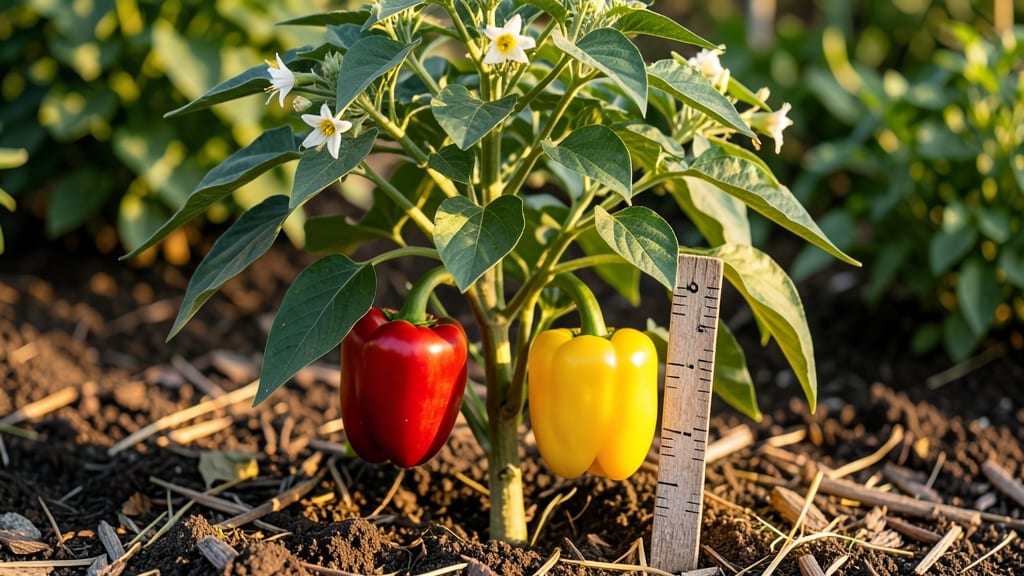
If you're planning your garden this spring, knowing how tall pepper plants grow is the key to making the most of your space—whether you're working with a backyard plot or just a sunny windowsill. 🌶️ These versatile plants can range from compact 1-foot dwarfs to towering 4-foot giants, depending on the variety, and getting that right means bigger harvests and happier plants.
But here's the thing: not all peppers play by the same rules. A bell pepper might stay neatly at 2-3 feet tall, while a habanero could stretch toward 4 feet if given the right conditions.
That means choosing the right variety for your space—and understanding how sunlight, pruning, and even your soil can influence their height—isn’t just helpful, it’s essential.
In this guide, I’ll break down the exact height ranges for popular pepper varieties, from dwarf options perfect for containers to standard types that need a little extra room.
You’ll also discover how to support taller plants, avoid common growth mistakes, and even tweak your care routine to encourage the ideal height for your garden.
Ready to turn your pepper patch into a thriving, space-smart success? Let’s dive into the details so you can pick the perfect plants for your layout—and watch them grow to their full potential.


Pepper plant heights by variety: from compact to towering giants
When planning your garden, knowing how tall pepper plants grow helps you choose the right varieties for your space. Pepper plants vary dramatically in height—from compact dwarf varieties perfect for containers to tall, sprawling giants that need trellises. Understanding these differences ensures you maximize yield without overcrowding your garden.
Most pepper plants reach maturity between 1 to 4 feet tall, but their growth habits differ based on variety. Bell peppers and jalapeños typically stay shorter, while habaneros and cayenne peppers can grow taller and more bushy.
Let’s break down the exact height ranges so you can pick the perfect fit for your garden.
| Variety | Height Range | Growth Habit | Ideal Spacing |
|---|---|---|---|
| Dwarf Bell Peppers | 1–2 ft | Compact, bushy | 12–18 inches apart |
| Standard Bell Peppers | 2–3 ft | Upright, sturdy | 18–24 inches apart |
| Jalapeños | 2–3 ft | Bushy, spreading | 18–24 inches apart |
| Habaneros | 3–4 ft | Tall, leggy | 24–30 inches apart |
| Cayenne Peppers | 3–5 ft | Tall, sprawling | 30+ inches apart (or trellis) |
For container gardening, opt for dwarf varieties like ‘Snackable’ bell peppers or ‘Mini Bell’ peppers, which thrive in 5-gallon pots and stay under 2 feet tall. These are ideal for balconies or small patios where space is limited.
If you’re growing in-ground, taller varieties like cayennes or habaneros need more room. These can reach 4–5 feet tall and benefit from stakes or trellises to support their weight. Without support, they may flop over, reducing airflow and increasing disease risk.
Pruning plays a key role in managing height. Pinching back the tips of young plants encourages bushier growth, while removing lower leaves improves airflow and reduces disease. For taller varieties, prune aggressively to keep them under control and redirect energy to fruit production.
Another factor affecting height is sunlight. Pepper plants need 6–8 hours of full sun daily to reach their full potential. In shadier spots, they’ll grow leggy and weak, often stretching toward light sources.
If your garden lacks direct sunlight, consider grow lights or choose shade-tolerant varieties like ‘Carolina Wonder’ peppers, which handle partial shade better.
Soil quality also impacts height. Well-draining, nutrient-rich soil with a pH of 6.0–6.8 ensures healthy root development. Amend your soil with compost or aged manure before planting to give your peppers the best start. Poor soil can stunt growth, leading to shorter plants with fewer fruits.
Finally, remember that container size matters. A 5-gallon pot limits roots, so dwarf varieties thrive, while 15-gallon containers accommodate taller plants. If you’re growing in pots, use a balanced fertilizer like 5-10-10 every 4–6 weeks to support vigorous growth.
Now that you know the height ranges, you can confidently plan your garden layout. Whether you’re growing compact dwarf peppers on your balcony or tall cayennes in your backyard, spacing and support will make all the difference in your harvest! 🌱
Pepper plant heights by variety: from compact to towering giants
Pepper plants come in a stunning range of heights, from dwarf varieties that barely reach your waist to tall giants that need vertical support. The height you can expect depends entirely on the variety you choose—whether it's a bush-type bell pepper or a tall habanero reaching for the sky.
Knowing these heights helps you plan your garden layout, choose the right containers, and avoid overcrowding, which can stunt growth.
For example, dwarf varieties like 'Snackable' bell peppers stay under 2 feet tall, making them perfect for container gardening on patios or balconies. On the other hand, standard varieties like 'California Wonder' bell peppers can grow up to 4 feet tall, requiring more space or trellising.
Understanding these differences ensures you pick the right peppers for your space and growing style.
| Variety | Height Range | Best For |
|---|---|---|
| Dwarf Bell Peppers (e.g., 'Snackable', 'Patio Baby') | 1–2 ft | Containers, small spaces, balconies |
| Standard Bell Peppers (e.g., 'California Wonder', 'Jupiter') | 3–4 ft | In-ground gardens, raised beds |
| Jalapeños (e.g., 'Early Jalapeño', 'Carolina Reaper') | 2–3 ft | Trellises, bushy gardens |
| Habaneros (e.g., 'Louisiana Hot', 'Chocolate Habanero') | 3–4 ft | Vertical support, warm climates |
| Poblano (e.g., 'Anaheim') | 2–3 ft | Compact gardens, containers |
If you're growing peppers in containers, opt for dwarf or semi-dwarf varieties like 'Patio Baby' bell peppers or 'Mini Jalapeño'. These stay under 2 feet tall and thrive in 5-gallon pots with proper drainage.
For in-ground gardens, taller varieties like 'California Wonder' or 'Carolina Reaper' will need 18–24 inches of spacing between plants to avoid competition for nutrients and sunlight.
Taller pepper plants, especially habaneros and jalapeños, often benefit from trellising or staking. This not only saves space but also improves air circulation, reducing the risk of fungal diseases.
Use bamboo stakes or tomato cages to support plants as they grow, tying stems gently with soft plant ties every few weeks.
One common misconception is that all pepper plants grow the same height. In reality, pruning habits can influence height. For example, heavy pruning of side shoots can keep a plant shorter and bushier, while minimal pruning allows it to grow taller.
If you're short on space, consider pruning to control height, but avoid over-pruning, which can reduce fruit production.
For urban gardeners with limited space, vertical gardening is a game-changer. Use wall-mounted planters or hanging baskets for dwarf varieties, or install a trellis system for taller peppers. This way, you can grow peppers even on a balcony or rooftop without sacrificing yield.
Just ensure your containers have drainage holes and use a lightweight potting mix to prevent root rot.