
Plants
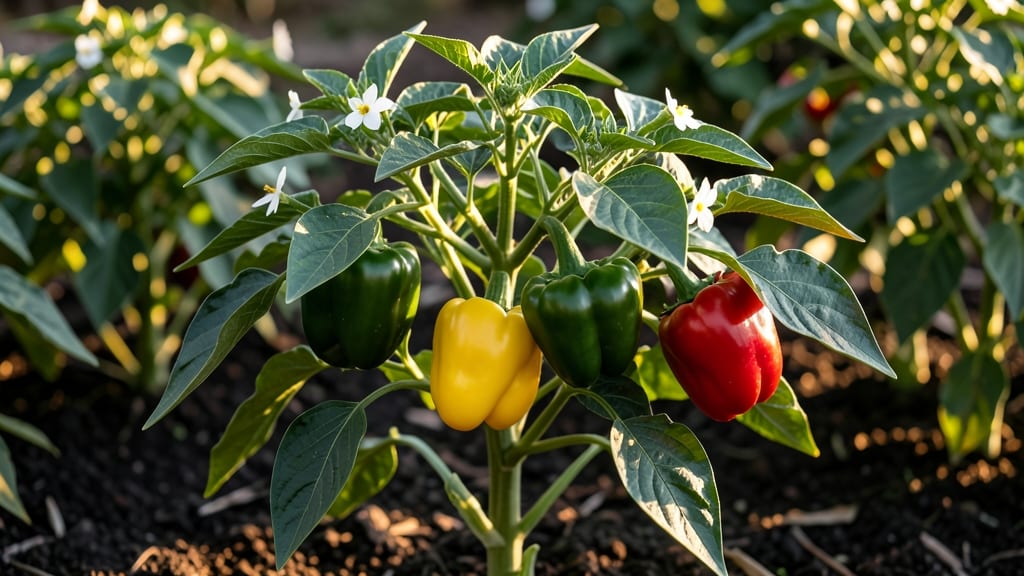
If you’re planning your garden this spring, knowing how tall bell pepper plants grow could save you from overcrowding or struggling with floppy stems later. These 🌶️ plants aren’t one-size-fits-all—they range from compact 1-foot dwarf varieties to towering 4-foot giants, depending on the type you choose.
Picking the right variety for your space is the first step to a bountiful harvest. Some bell peppers stay neatly contained in containers, while others need sturdy supports to reach their full height. Without proper planning, you might end up with peppers sprawling everywhere—or worse, breaking under their own weight.
In this guide, I’ll break down the height differences between common varieties and share practical tips to keep your plants healthy, no matter their size. Whether you’re a beginner or a seasoned gardener, these insights will help you maximize your yield without the guesswork.
From spacing tips to support strategies, you’ll learn exactly what your bell peppers need to thrive—so you can enjoy a garden that’s both productive and easy to manage. Let’s get growing!


Bell pepper plant height by variety: compact vs. tall-growing types
Bell pepper plants come in a stunning range of heights, from dwarf varieties that stay under 2 feet to tall-growing types reaching 4 feet or more. This variation isn't just about aesthetics—it directly impacts your garden layout, support needs, and even harvest ease.
Choosing the right variety for your space can mean the difference between a thriving pepper patch and a struggle with flopping stems or overcrowding.
Most home gardeners grow standard-height bell peppers (2–3 feet), but specialty varieties push these limits. For example, California Wonder—a classic favorite—typically grows 3–4 feet tall, while Jalapeño M varieties often stay compact at 18–24 inches.
Understanding these differences helps you plan spacing, trellising, and even container gardening setups.
Here’s a quick look at how height varies by type, along with real-world growing tips to maximize your harvest:
| Variety | Height Range | Growth Habit | Best For |
|---|---|---|---|
| Dwarf Varieties (e.g., 'Snackable', 'Pico de Gallo') | 12–24 inches | Bushy, compact | Containers, small spaces, urban gardens |
| Standard Varieties (e.g., 'California Wonder', 'Bell Boy') | 24–36 inches | Medium-height, upright | In-ground gardens, raised beds |
| Tall Varieties (e.g., 'King of the North', 'Fish Pepper') | 36–48 inches | Indeterminate, sprawling | Trellises, large gardens, vertical spaces |
| Mini Varieties (e.g., 'Lunchbox', 'Tiny Tim') | 8–16 inches | Extra-compact, prolific | Patio pots, windowsill gardens |
If you’re growing tall-growing bell peppers, plan for 3–4 feet of vertical space—these varieties often need stakes or cages to prevent stems from snapping under the weight of fruit.
For example, 'King of the North' can reach 4 feet and produces large, blocky peppers that require support. Meanwhile, dwarf varieties like 'Snackable' are perfect for container gardening or small balconies.
Another key factor is pruning habits. Indeterminate varieties (like 'California Wonder') grow continuously and can benefit from light pruning to manage height and improve airflow. Determinate varieties (like 'Arpad F1') stay bushier and typically don’t need pruning, but they may still reach 3 feet tall.
For container growers, choose dwarf or mini varieties—they thrive in 5-gallon pots and don’t require deep root space. Standard varieties need at least 18-inch-deep containers to avoid root binding.
Pro tip: Use self-watering pots to maintain consistent moisture, which is critical for tall plants that can’t access deep water sources.
Sunlight also plays a role in height. Full sun (6–8+ hours daily) encourages taller, more vigorous growth, while partial shade can keep plants shorter but may reduce fruit production.
If your garden gets less than 6 hours of sun, opt for shorter varieties like 'Jalapeño M' or 'Poblano', which tolerate slightly shadier conditions better than tall types.
Finally, don’t overlook soil quality. Well-draining, nutrient-rich soil with a pH of 6.0–6.8 supports healthy growth regardless of variety. Amend your soil with compost or aged manure before planting to give tall varieties the strength they need to support heavy fruit loads.
🌱
When and how to provide support for tall bell pepper plants
Tall bell pepper plants—especially indeterminate varieties like 'California Wonder'—can easily reach 3 to 4 feet tall or even taller if left unsupported. Without proper support, these top-heavy plants risk flopping over, breaking stems, or developing disease-prone wounds from dragging on the ground.
Supporting your plants isn’t just about aesthetics; it’s a harvest-saving strategy.
Most bell pepper varieties don’t need support until they hit 18 to 24 inches tall, but taller-growing types or plants in windy areas may require it earlier.
Look for signs like leaning stems, overcrowded foliage, or peppers touching the soil—these are clear cues it’s time to act. Ignoring these signals can lead to reduced yields or even lost crops.
⚠️ CALLOUT WARNING
While support is crucial, too much can restrict growth. Use flexible materials like bamboo stakes or soft ties to allow natural movement. Rigid supports (e.g., metal cages) can stunt growth or cause stem damage if tied too tightly. Always check ties weekly to prevent girdling as the plant thickens.
For compact varieties like 'Jalapeño M' (1–2 feet tall), minimal support—a small cage or sturdy stake—may suffice. But for taller types, opt for trellises or tomato cages (5–6 feet tall) to accommodate their full height.
If growing in containers, choose deep pots with built-in support or use freestanding cages to prevent tipping.
When installing support, bury stakes 6–8 inches deep for stability and tie stems loosely with soft plant ties or old T-shirts (avoid wire or plastic that can cut into stems).
Position supports before heavy winds or rain to prevent sudden damage. For trellising, weave stems through the structure as they grow to distribute weight evenly.
Pruning can also reduce the need for support. Remove suckers (side shoots) and lower leaves to improve airflow and light penetration, which strengthens stems naturally.
Focus on removing congested foliage near the base to prevent disease and encourage upward growth. Pair pruning with support for the best structural balance.
Pro tip: Monitor your plants weekly for support needs. If you notice peppers touching the ground or stems bending under fruit weight, reinforce support immediately.
With the right setup, your tall bell peppers will stay upright, produce more fruit, and resist disease—giving you a bountiful harvest all season long. 🌱