
Plants
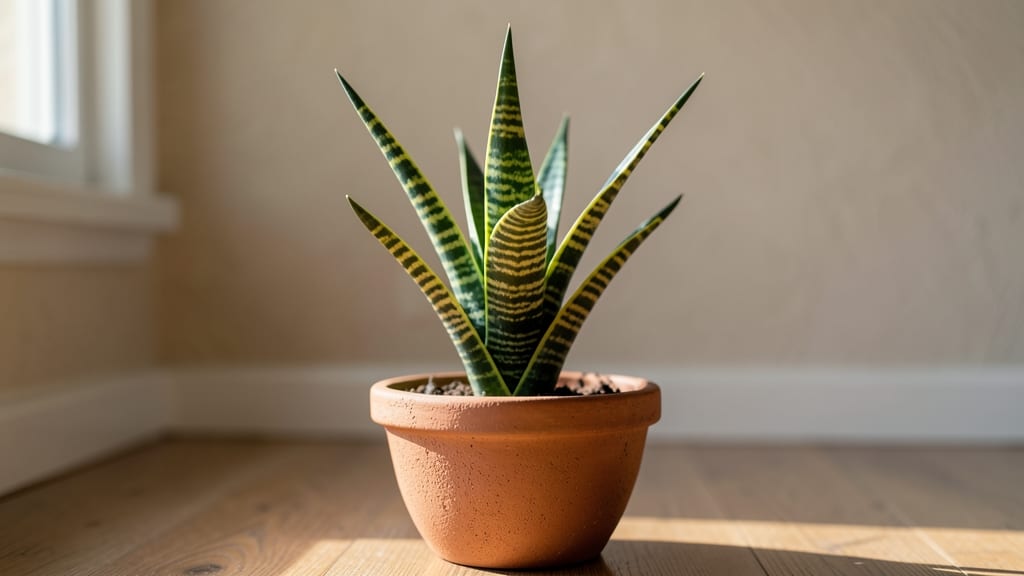
If you’re wondering how much light does a rattlesnake plant need, the answer might be simpler than you think—light exposure is the key factor most plant owners overlook.
This stunning foliage plant needs just the right balance of brightness to keep its leaves vibrant and healthy, but getting it wrong can lead to drooping or faded patterns.
Too much direct sunlight? Watch as those beautiful leaves scorch and crisp at the edges. Too little light? You’ll notice the plant’s signature patterns fading, leaving it looking dull and lifeless.
The good news is that with a few simple adjustments, you can create the perfect growing conditions for your rattlesnake plant.
In this guide, I’ll break down exactly how much light your rattlesnake plant needs—whether you’re dealing with bright indoor spaces or shadier corners. You’ll learn how to spot the signs of improper lighting and how to fix them before they damage your plant for good.
Ready to transform your rattlesnake plant into a lush, thriving centerpiece? Let’s dive into the ideal light conditions and practical tips to keep it happy all year round.


Ideal light requirements for rattlesnake plants: low to bright indirect sunlight explained
Your rattlesnake plant (Calathea lancifolia) thrives in bright indirect light, making it perfect for homes with filtered sunlight. Think of it like a shade-loving tropical—too much direct sun burns its delicate leaves, while too little dims its signature patterns.
The ideal spot mimics its natural understory habitat in South American forests, where dappled sunlight filters through taller trees.
For optimal growth, aim for 1000-2000 foot-candles of light—about the brightness of a well-lit office or east-facing window during morning hours. This range keeps your plant’s leaves vibrant while preventing stress.
In summer months, even morning sun can be intense, so consider moving your plant 2-3 feet back from the window to diffuse the light further.
Here’s how to identify the perfect spot in your home: Check areas where other tropical plants thrive, like ferns or philodendrons. Avoid south-facing windows, which deliver harsh afternoon rays, and steer clear of dim corners where leaves may stretch toward light—a sign of light deprivation.
Seasonal adjustments are key: In winter, when natural light dims, supplement with a grow light if leaves start losing their contrast. Conversely, in summer, use sheer curtains to filter out direct sunlight while maintaining brightness. Your rattlesnake plant’s leaf patterns will thank you by staying crisp and defined.
| Light Requirement | Specification | Ideal Location |
|---|---|---|
| Bright Indirect Light | 1000-2000 foot-candles | East-facing window, 2-3 feet back |
| Direct Sun Tolerance | 0% (morning sun max) | Sheer curtain filter required |
| Low-Light Threshold | Below 500 foot-candles | Supplement with grow light |
| Seasonal Adjustment | Winter: Supplement light | Summer: Filter afternoon sun |
Pro tip: Rotate your plant’s pot quarter-turn weekly to ensure even light exposure. This prevents one side from leaning toward the window, which can cause uneven growth or yellowing leaves. Think of it like giving your plant a gentle sunbath—balanced and consistent.
If you’re unsure about your home’s light levels, use a light meter app (free options exist) to test potential spots. Aim for the mid-range (1000-1500 foot-candles)—this sweet spot keeps your rattlesnake plant’s foliage bold and patterned without risking leaf scorch.
For outdoor growers, place your rattlesnake plant under 50% shade cloth during peak sun hours (10 AM–4 PM). This mimics the filtered light it craves while protecting it from UV damage.
In containers, ensure the pot has drainage holes to prevent root rot—a common issue when plants can’t escape excess moisture.
Remember: Your rattlesnake plant’s leaf patterns are its superpower. When light is just right, those striking stripes and spots pop like a work of art. Too little light? Patterns fade. Too much? Leaves crisp. Master this balance, and you’ll have a showstopping houseplant that’s the envy of every plant parent.
🌿
Ideal light requirements for rattlesnake plants: low to bright indirect sunlight explained
The rattlesnake plant (Calathea orbifolia) thrives in bright indirect light, making it perfect for east-facing windows or north-facing spots. This tropical beauty mimics its native understory habitat where dappled sunlight filters through the canopy.
Aim for 1000–2000 foot-candles—think of it as the glow of a shaded patio on a sunny afternoon. Too much direct sun causes leaf scorch, while too little dims its signature patterns.
For indoor growers, position your plant 2–3 feet from an east-facing window where morning sun is gentle. West-facing windows can work but risk afternoon intensity—use a sheer curtain to diffuse harsh rays.
In low-light homes, supplement with LED grow lights (more on this later). Seasonal shifts matter too: winter’s weaker light may require relocating your plant closer to a window or adding artificial light.
| Light Condition | Foot-Candles | Ideal Spot | Seasonal Notes |
|---|---|---|---|
| Bright Indirect | 1000–2000 | East window, 2–3 ft away | Spring/Summer: Best placement |
| Low Light | <500 | North window or 8+ ft from south window | Winter: Supplement with grow lights |
| Direct Sun | >3000 | South/west windows without filters | Avoid: Causes brown leaf tips |
Test your spot’s light intensity with a phone app like Light Meter or the Lux Light Meter tool. Place your phone near your plant for 24 hours to track fluctuations. Morning light (6–10 AM) is ideal—it’s bright but not scorching.
If your rattlesnake plant’s leaves start yellowing or curling, it’s likely getting too much direct sun. Rotate the pot quarter-turns weekly to ensure even growth and prevent leaning toward the light source.
Outdoor growers can place rattlesnake plants in partial shade gardens where they receive morning sun and afternoon shade. In containers, ensure the pot has drainage holes to prevent root rot from overwatering—this plant prefers consistently moist but not soggy soil.
Pair it with other low-to-medium light lovers like ferns, peace lilies, or pothos for a thriving understory display.
Pro tip: If your home lacks natural light, grow lights with a 6500K color temperature (cool white) mimic daylight best. Hang them 12–18 inches above the plant for 12–14 hours daily. Avoid placing them too close—leaf burn from heat is a common mistake.
For extra humidity (which rattlesnake plants love), mist the leaves lightly in the morning or use a pebble tray with water beneath the pot.
Remember, patience is key—rattlesnake plants adapt slowly to light changes. If you’ve recently moved yours, monitor its response for 2–4 weeks before making adjustments. The goal is vibrant, patterned leaves, not rapid growth.
With the right light balance, your plant will reward you with stunning foliage for years to come. 🌿