
Plants
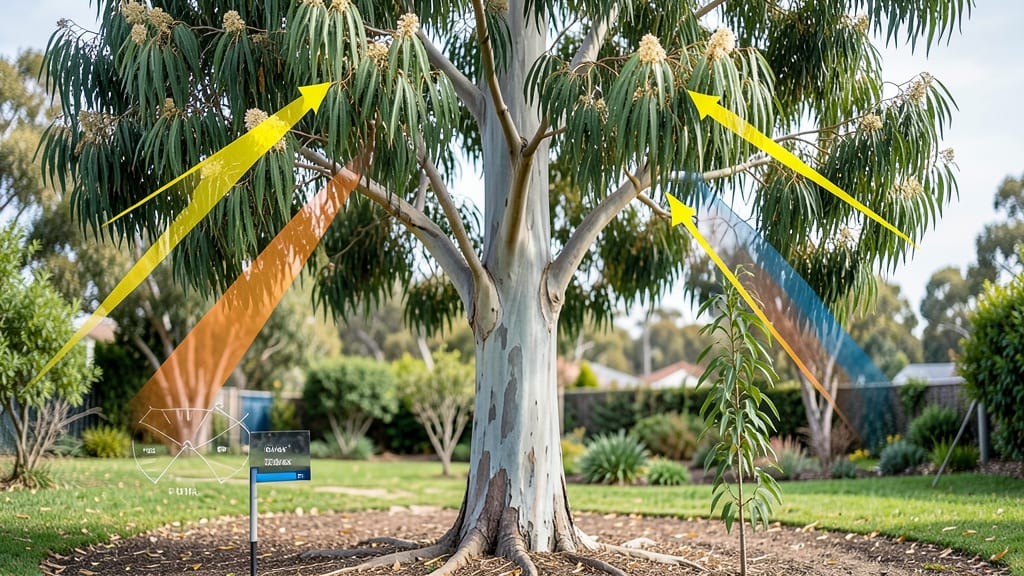
If your eucalyptus 🌳 plant looks like it’s fighting for its life—droopy leaves, yellowing, or just refusing to grow—you might be getting the amount of light it needs wrong. The answer isn’t just about hours; it’s about intensity, timing, and even the season.
Outdoors, these towering trees thrive in full sun, craving at least 6-8 hours of direct sunlight daily. But indoors? A south-facing window becomes your best friend, mimicking natural light conditions. Too little light, and your eucalyptus will stretch painfully toward any available rays—a classic sign it’s desperate for more.
Here’s the catch: overdoing it can be just as harmful. Scorching midday sun in hot climates might require afternoon shade, while cooler regions can handle more exposure.
We’ll break down exactly how to strike the perfect balance, whether you’re nurturing a potted eucalyptus on your balcony or planting one in your Zone 6a garden.
Ready to transform your eucalyptus from struggling to stunning? Let’s dive into the sunlight secrets that’ll have your plant reaching for the sky—literally. You’ll learn how to spot light-related stress, adjust care seasonally, and even use artificial light to keep your eucalyptus happy year-round.


Eucalyptus light requirements: ideal sunlight hours for healthy growth
Eucalyptus plants are sun worshippers, craving full sun exposure to fuel their rapid growth and iconic aromatic foliage. As a sun-loving evergreen, they thrive with 6-8 hours of direct sunlight daily, but some varieties can tolerate up to 10 hours in hot climates.
Understanding these needs is key to avoiding common pitfalls like yellowing leaves or stunted growth.
The photosynthesis efficiency of eucalyptus peaks in bright, direct light, which is why they’re often found in Mediterranean climates or coastal regions. Without enough sunlight, their growth slows dramatically, and the vibrant silver-blue hues fade. Even young eucalyptus saplings need gradual acclimation to full sun to avoid leaf scorch.
Not all eucalyptus varieties have identical light needs. Tall species like Eucalyptus globulus (common eucalyptus) demand the most sunlight, while dwarf varieties like Eucalyptus pauciflora can sometimes tolerate partial shade—though they’ll never reach their full potential without ample light. Always check your specific variety’s care guide for precise recommendations.
Seasonal adjustments are crucial. In summer months, eucalyptus may need afternoon shade protection in extreme heat (above 90°F/32°C) to prevent leaf burn. Conversely, winter sunlight is gentler, and they can handle more direct exposure. Monitoring your plant’s response to changing light conditions helps you fine-tune its care.
| Variety | Ideal Sunlight | Notes |
|---|---|---|
| Eucalyptus globulus | 6-8+ hours (full sun) | Fast-growing; needs consistent light |
| Eucalyptus cinerea | 5-6 hours (full sun to partial shade) | More tolerant of shade; slower growth |
| Eucalyptus pauciflora | 4-6 hours (partial shade to full sun) | Dwarf variety; adaptable to cooler climates |
| Eucalyptus gunnii | 6-8 hours (full sun) | Cold-hardy; needs winter sun protection |
If you’re growing eucalyptus in containers, light needs remain the same, but rotational care becomes essential. Since containers can’t store excess water, eucalyptus in pots dry out faster in full sun.
Always use a well-draining soil mix and monitor moisture levels closely. A south-facing window or outdoor spot with unobstructed sunlight is ideal for potted eucalyptus.
One common misconception is that eucalyptus can thrive in low-light conditions like a north-facing window. While they can survive with 3-4 hours of indirect light, their growth will be stunted, and leaves may become pale and sparse.
For optimal health, prioritize direct sunlight exposure whenever possible. Even indoor growers should supplement with grow lights if natural light is insufficient.
Watch for visual cues that indicate your eucalyptus isn’t getting enough light. Leggy growth (elongated stems with sparse leaves) is a classic sign of light deprivation. Similarly, dark green leaves instead of the characteristic silvery-blue hue suggest insufficient sunlight.
On the flip side, crispy leaf edges or bleached patches mean your plant is getting too much intense light, especially during hot afternoons.
For outdoor gardeners, microclimates play a huge role. A eucalyptus planted near a building or fence may receive only partial shade, while one in an open meadow gets full sun year-round.
If your yard has limited sunlight, consider using reflective surfaces like white walls or mulch to bounce extra light onto the plant. In urban areas, air pollution can reduce sunlight penetration, so monitor your plant’s health closely.
Remember, eucalyptus is a long-term investment. A young tree may take years to mature, but with the right light conditions, it will reward you with fragrant foliage and towering height.
Start with the ideal 6-8 hours of sun, adjust for seasonal changes, and always observe your plant’s response. With patience and proper light management, your eucalyptus will thrive for decades.
Indoor vs. outdoor eucalyptus lighting: how to adapt your plant’s environment
Eucalyptus thrives outdoors in full sun, but indoor growers face unique challenges. Without proper lighting, your eucalyptus may stretch toward light or develop weak stems. The key difference? Outdoor eucalyptus gets natural sunlight, while indoor plants rely on artificial solutions or strategic window placement. Let’s break down how to meet their needs in both settings. Outdoor eucalyptus plants need 6-8+ hours of direct sunlight daily, ideally in south-facing locations where sunlight is strongest. In indoor settings, south-facing windows are your best bet, but even then, light intensity drops significantly. Without adjustments, indoor eucalyptus may struggle to photosynthesize efficiently, leading to pale leaves or leggy growth.- ✅ Full sun (6-8+ hours)
- ✅ Natural UV light boosts growth
- ✅ No artificial setup needed
- ✅ Faster growth and stronger stems
- ⚠️ Weaker light from windows
- ⚠️ Leggy growth if stretched
- ⚠️ Grow lights often required
- ⚠️ Slower growth without adjustments
Pro Tip: Rotate your indoor eucalyptus quarter-turns weekly to ensure even light exposure. Outdoors, prune lower branches to allow light penetration to the canopy. Both adjustments prevent one-sided growth and encourage a fuller, healthier plant.
If you’re growing eucalyptus in a low-light apartment, consider dwarf varieties like Eucalyptus pauciflora (Snow Gum), which tolerate bright indirect light better than taller species. Pair this with reflective surfaces (like white walls) to maximize light bounce. For outdoor plants, afternoon shade in hot climates prevents leaf scorch, a common issue in USDA Zones 8-10.Remember: Eucalyptus is adaptable, but light is non-negotiable. Whether indoors or out, prioritize bright, direct light—your plant’s growth (and your green thumb) will thank you!