
Plants
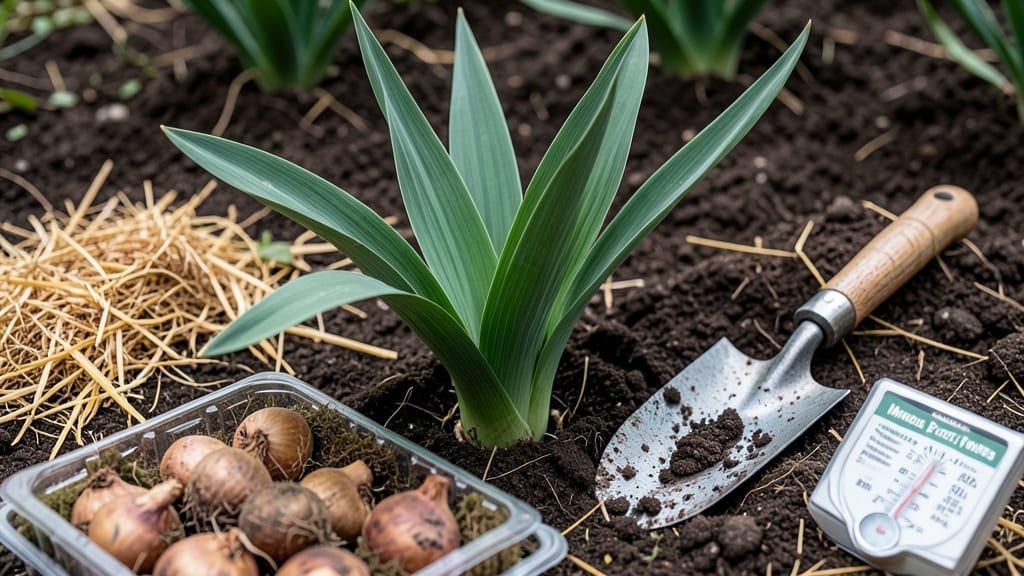
Timing your Gladiolus 🌸 planting in Maine isn't just about the calendar—it's about beating the clock before frost sneaks back in. With USDA Zones 5b-6b and unpredictable late-spring weather, planting too early risks frost damage, while waiting too long cuts your bloom season short.
The sweet spot? Late May to early July, when soil warms and frost-free days stretch ahead.
I've learned the hard way that Maine's short growing season demands precision. Whether you're a first-time gardener or a seasoned pro, knowing exactly when to plant Gladiolus corms—down to the week—can mean the difference between a vibrant summer display and empty garden beds.
Let me show you how to nail those deadlines, even when Mother Nature throws curveballs.
We'll cover the exact frost-free windows for Zones 4 and 5, soil temperature cues, and how to adjust for early vs. late varieties. Plus, I'll share my top tips for container gardening if your season feels especially risky.
Ready to turn your Maine garden into a Gladiolus paradise? Let's get started.
From staggered planting schedules to recognizing the 5 signs you've messed up the timing, this guide gives you everything you need to grow stunning, healthy blooms—no guesswork required. Your summer color palette starts with these simple steps.
Maine gladiolus planting deadlines by frost Zone (4 vs 5)
Maine’s USDA Zones 4 and 5 create a tight window for planting gladiolus corms, where timing can mean the difference between vibrant summer blooms and lost investments.
The key is understanding your last frost date—typically mid-May in Zone 4 and late April to early May in Zone 5—and planting 4-6 weeks before that date.
Gladiolus thrive when soil temperatures reach 60°F (15°C), a threshold Maine often hits between late May and early June. Planting too early risks frost damage to emerging shoots, while late planting may result in stunted growth before the first frost.
Let’s break down the exact deadlines by zone to maximize your success.
🌱
| Zone | Last Frost Date | Planting Window | Soil Temp Threshold | Key Action |
|---|---|---|---|---|
| Zone 4 | Mid-May | May 15–June 15 | 60°F (15°C) | Plant late May for blooms by August. |
| Zone 5 | Late April–Early May | May 1–June 10 | 60°F (15°C) | Plant early May for July–September blooms. |
| Both Zones | N/A | Avoid after June 15 | N/A | Late plantings risk fall frost before blooming. |
For Zone 4 gardeners, aim to plant gladiolus corms between May 15 and June 15. This ensures your plants establish roots before the soil warms to 60°F, triggering growth.
In Zone 5, you can start slightly earlier—May 1 to June 10—to take advantage of Maine’s earlier last frost dates.
Pro tip: Use a soil thermometer to confirm readiness. Gladiolus corms won’t sprout until soil hits 60°F, so don’t rush—waiting a few days can prevent frost damage to tender shoots.
If your soil is still cold in early May, consider container planting near a sunny wall to warm the roots faster.
🌡️
Maine’s unpredictable spring weather adds another layer of complexity. I’ve learned from experience that late-May plantings in Zone 4 often yield better results than early attempts, even if it means sacrificing a few weeks of bloom time. The trade-off? Healthier, stronger plants that withstand Maine’s humidity and occasional downpours.
If you’re in Zone 5, you have a slight advantage with an extra 2-3 weeks of growing season.
Use this to your advantage by planting early varieties (like 'White Friendship') in early May and late varieties (like 'Black Star') in early June for a prolonged bloom season.
🌸
One common mistake I see is planting gladiolus too shallowly—they need 4-6 inches of soil coverage to anchor properly. In Maine’s sandy or rocky soils, mix in compost or aged manure to improve drainage and fertility.
Amend the soil with a handful of bone meal at planting time for an extra phosphorus boost, which encourages strong root and flower development.
Finally, mark your gladiolus rows with biodegradable flags or stakes to avoid accidentally disturbing them during Maine’s weedy spring. These plants are tall and top-heavy, so staking may be necessary as they grow—especially in windy coastal areas.
How to adjust planting time for early vs late Maine varieties
Maine’s gladiolus varieties bloom at different times, so staggering your planting schedule can extend your summer color display. Early-blooming types like 'White Friendship' need an earlier start, while late-season varieties like 'Black Star' can wait until June. This strategy ensures you enjoy blooms from July through September without gaps.
For early varieties, plant 4-6 weeks before your last frost date—typically late April to early May in Zone 5 and late May in Zone 4. These corms need time to establish roots before warmer soil arrives.
Late varieties, on the other hand, can go in mid-June to avoid bolting or stunted growth from Maine’s cool summer nights.
| Variety Type | Planting Window | Bloom Time | Maine Zone Fit |
|---|---|---|---|
| Early (e.g., 'White Friendship') | Late April–Early May | July–Early August | Zone 5 (earlier in 5b) |
| Mid-Season (e.g., 'Pink Star') | Early–Mid May | August | Zones 4–5 |
| Late (e.g., 'Black Star') | Mid–Late June | September | Zone 5 (risky in 4) |
If you’re in Zone 4, prioritize mid-season varieties like 'Pink Star'—they thrive in Maine’s shorter summers and avoid the late-June frost risks. For Zone 5, you can experiment with two planting batches: one in early May and another in late June.
This creates a sequential bloom that keeps your garden vibrant longer.
Pro tip: Use container gardening for late varieties. Pots warm up faster than soil, giving late-planted gladiolus corms a head start. Place containers in south-facing spots or near black plastic mulch to accelerate soil warming by 5–10°F. This trick works wonders in Maine’s cool, damp springs.
Always check soil temperature before planting—gladiolus corms need 60°F+ soil to sprout. In Maine, this typically happens by late May, but early June is safer for late varieties. Use a soil thermometer to confirm before digging.
For extended blooms, mix early and late varieties in the same bed. The height differences (early types grow 2–3 feet, late types 4–5 feet) create a stunning vertical display. Just ensure they’re planted 6 inches apart to prevent crowding and disease.