
Plants
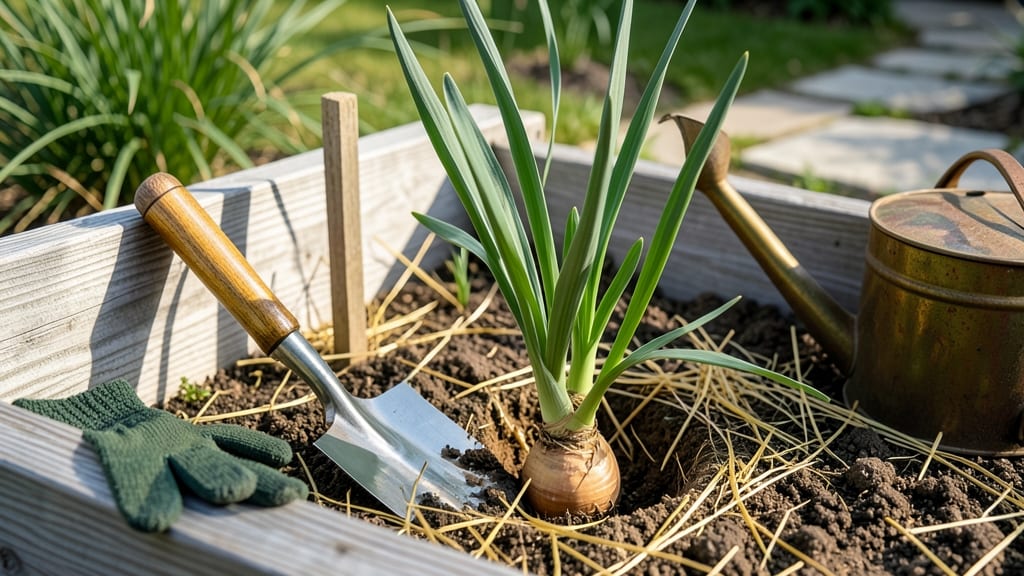
Timing your gladiolus bulbs planting in Connecticut can mean the difference between a showstopping summer garden and wasted effort. With Connecticut's Zone 6a climate, you've got just a narrow window—April through May—to get those 🌸 gladiolus corms in the ground before frost strikes again.
Most gardeners make the mistake of planting too early when soil temperatures are still too cold, or too late when summer heat arrives. I've seen both scenarios firsthand, and neither ends well for those dramatic 4-5 foot spikes you're dreaming of.
The secret? Waiting until the soil reaches at least 60°F—typically around mid-April in most of Connecticut.
What you're about to discover isn't just about dates—it's about reading your local microclimate. We'll cover how to adjust for Connecticut's unpredictable spring weather, when to start your corms indoors if needed, and the critical 4-6 inch planting depth that keeps your gladiolus thriving.
Let's get those bulbs in the ground the right way.
Once you've mastered the timing, you'll also learn how to care for your gladiolus through summer's peak blooming season. From fertilizing schedules to watering tips that prevent those pesky floppy stems, I've got you covered. Your July-September garden will thank you for these simple but powerful strategies.
Optimal gladiolus planting dates in CT (zone 6B) for maximum blooms
In Connecticut’s Zone 6B, gladiolus bulbs thrive when planted during the frost-free window between April 15 and May 15. This timing ensures your corms establish roots before summer heat arrives, giving you vibrant blooms from July to September.
The key is waiting until the soil warms to at least 60°F—cold soil delays growth and invites rot.
Missed the window? No problem! You can plant as late as June 1 for late-summer blooms, though expect shorter stems. Always check your last frost date (typically April 15 in CT) using the USDA Plant Hardiness Zone Map or local Cooperative Extension Service data for your specific microclimate.
Gladiolus bulbs need 4-6 weeks of warm soil before flowering. Planting too early risks frost damage, while late planting may result in stunted growth. For extended-season gardens, use row covers to protect early plantings or delay planting until soil temperatures stabilize.
Pro Tip: Test soil warmth with a soil thermometer—gladiolus corms need 60°F+ for optimal root development. If your soil is still cold, wait 1-2 weeks or plant in black plastic mulch to warm the soil faster.
| Planting Stage | CT Zone 6B Timeline | Soil Conditions | Action Items |
|---|---|---|---|
| Pre-Planting | Mid-April | Soil temp: 50°F+ | Test soil warmth; amend with compost. |
| Primary Window | April 15–May 15 | Soil temp: 60°F+ | Plant corms 4–6" deep, 6" apart. |
| Late Window | June 1 (max) | Soil temp: 65°F+ | Expect shorter blooms; stake immediately. |
| Post-Planting | May–June | Well-drained | Water deeply; mulch to retain moisture. |
Connecticut’s microclimates vary—coastal areas like New London may warm earlier than inland Hartford. Adjust your planting by 1-2 weeks based on local conditions. For example, if your area experiences frost until May 1, delay planting until May 10 to avoid damage.
After planting, stake your gladiolus immediately—their tall spikes (up to 5 feet) need support. Use bamboo stakes or tomato cages to prevent flopping, especially in windy CT summers. Water deeply 1-2 times per week to encourage strong root growth before blooming.
For container gardening, plant gladiolus in large pots (12"+ deep) with fast-draining mix. Move containers to sunny outdoor spots after last frost, then bring them indoors before first frost (Oct 15) to prolong blooms. This works well for balconies in urban CT areas like New Haven.
Remember: Gladiolus bulbs are not winter-hardy in CT. After blooming, cut back foliage but leave the corms in the ground until first frost. Dig them up in late fall, dry them, and store in a cool, dark place for next year’s plantings.
This simple step saves you money and ensures year-after-year blooms.
🌸
Optimal gladiolus planting dates in CT (zone 6B) for maximum blooms
In Connecticut’s Zone 6B, your gladiolus bulbs thrive when planted between April 15 and May 15. This frost-free window ensures your corms sprout after the last expected frost (April 15 in most areas) but before summer heat stresses young plants.
Miss this window? Don’t panic—late plantings can still succeed with row covers or a greenhouse start.
Your soil temperature is the real game-changer. Gladiolus corms need 60°F+ soil to sprout consistently. Use a soil thermometer to confirm—warmer pockets (like south-facing beds) may be ready 1-2 weeks earlier than cooler spots. Pro tip: Plant in raised beds if your yard’s soil stays chilly longer.
🌱 Gladiolus Planting Timeline for CT (Zone 6B)
| Stage | Action | Notes |
|---|---|---|
| Early April | Test soil warmth | Use thermometer; aim for 55°F+ |
| April 15–May 15 | Plant corms | 4–6" deep, 6" apart; full sun |
| Late May | Stake tall varieties | Prevent flopping in wind/rain |
| July–September | Harvest blooms | Cut stems when 2–3 buds open |
⏰ Pro Tip: Mark your calendar for October 15—dig up corms before first frost to replant next year!
Still unsure about your last frost date? Check the USDA’s Frost Calculator for your CT town—it accounts for microclimates like hills or water bodies. For example, Hartford’s last frost averages April 20, while New Haven’s is often April 10.
Plant 4–6 weeks before your local date to be safe.
If you’re a late starter, try container growing. Fill pots with well-draining mix, plant corms in early May, and place them in a sunny spot.
Containers warm up faster than garden soil, giving you a 3-week extension for planting. Just remember: gladiolus hate soggy roots, so add perlite or sand to prevent rot.
For maximum blooms, time your planting to align with CT’s pollinator season. Bees and butterflies love gladiolus, and planting in early May ensures your flowers bloom when these visitors are most active. Bonus: Deadhead spent blooms to encourage more flowers and attract beneficial insects all summer long.
Don’t overlook fall planting for next year’s blooms! In late September, after your gladiolus finish flowering, dig up corms, let them dry, and store them in a cool, dark place. This head start means you’ll be ready to replant earlier in spring and enjoy longer bloom times.