
Companion Plants
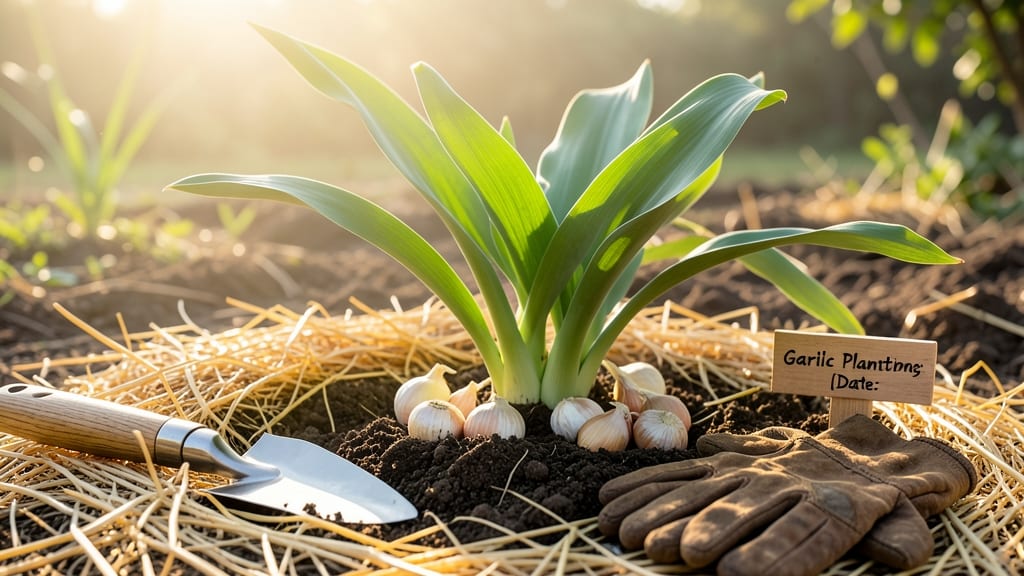
Timing your 🧄 garlic planting in Western Pennsylvania can make or break your harvest—especially in Zone 6a where winters are cold and springs arrive unpredictably. Plant too early, and you risk frost damage; too late, and your bulbs won’t mature properly.
The secret lies in a narrow window between October and November, when soil temps drop but the ground stays workable.
Most gardeners in Western PA swear by hardneck varieties like Rocambole or Purple Stripe, which thrive in our climate’s short growing season. These types need 6-8 weeks of cold exposure to form bulbs, but they also demand protection from heaving—when soil freezes and expands, pushing cloves out of the ground.
Mulching with straw or leaves is your best defense against this common problem.
If you’ve ever wondered why your garlic plants struggle or why some neighbors get massive bulbs while yours stay small, the answer likely starts with when you planted them.
I’ll walk you through the exact steps to time your planting, prepare your soil, and adjust for Western PA’s microclimates—whether you’re in Pittsburgh’s urban heat islands or rural areas with colder snaps.
Ready to grow bold, flavorful garlic that rivals store-bought? Let’s break down the best months, soil prep, and care tips tailored specifically for your region. Your summer meals will thank you!
Optimal planting months for garlic in Western PA’s Zone 5-6 climate
Western PA’s Zone 5-6 climate demands precise timing for garlic planting—too early and cloves rot, too late and bulbs underdevelop. The ideal window is October through November, when soil temps drop below 50°F (10°C) but before the ground freezes.
This 6-week period aligns with PA’s first hard frost (typically mid-December), giving roots time to establish before winter dormancy.
For Pittsburgh’s urban microclimate, aim for late October to avoid winter heaving, while rural areas with colder winters can plant as late as early November. Soil thermometers are your best tool—plant when temps consistently sit between 40-50°F (4-10°C) at 4-inch depth.
This cold exposure triggers bulb formation in hardneck varieties, which dominate PA gardens.
Missed the fall window? Spring planting is possible but risky—cloves need 12-16 weeks of growth before harvest, and PA’s short season often leaves bulbs small. If you must plant in spring, use early March and prioritize softneck varieties, which mature faster.
However, hardnecks (like Music or German White) are the star performers in PA’s climate.
Here’s how soil conditions impact timing: Well-draining soil warms faster in spring, giving you a 2-week extension for late fall planting. Amend heavy clay soils with compost or sand to prevent waterlogging, which causes clove rot.
Test your soil’s pH—garlic thrives in 6.0-7.0, and PA’s native soils often lean acidic.
Don’t let unpredictable PA springs fool you into delaying. Garlic planted in November will still produce large bulbs if protected with 4-6 inches of mulch. The key is ensuring cloves don’t freeze—hardy enough to survive -20°F (-29°C), but growth stalls below 32°F (0°C).
Use straw mulch for insulation, especially in Zone 5 areas like Erie.
| Timing Factor | Zone 5 (e.g., Erie) | Zone 6 (e.g., Pittsburgh) | Critical Deadline |
|---|---|---|---|
| Optimal Planting Window | Late Sept–Oct 20 | Oct 1–Nov 10 | Before hard frost (Dec 15) |
| Soil Temperature | 40–50°F (4–10°C) | 40–50°F (4–10°C) | Below 32°F (0°C) stalls growth |
| Mulch Depth | 6 inches (straw) | 4–5 inches (straw) | Prevents heaving in freeze-thaw cycles |
| Spring Risk Window | March 1–15 | March 1–31 | Harvest by July 4 for maturity |
| Hardneck Variety Tip | Plant Rocambole by Oct 15 | Plant German White by Nov 1 | Scape production peaks late June |
The 6-week planting window isn’t arbitrary—it accounts for PA’s variable weather patterns. For example, a warm October (like 2023’s 70°F days) can push planting into mid-November without risk, but a cold snap in late October may force you to plant earlier.
Check the National Weather Service’s Pittsburgh forecast for 30-day soil temp predictions to fine-tune your schedule.
Pro tip: Label your garlic varieties at planting—PA’s climate favors hardnecks like Chesnok Red or Silverskin, but softnecks (e.g., Artichoke) can work in Zone 6 microclimates with spring planting. Hardnecks produce scape shoots in June, a bonus harvest worth tracking!
Remember: Garlic planted in November
Optimal planting months for garlic in Western PA’s Zone 5-6 climate
Western PA’s Zone 5-6 climate demands precise timing for garlic planting—aim for a 6-week window between mid-October and mid-November. This schedule ensures cloves establish roots before winter while avoiding late-season frost risks.
In Pittsburgh’s urban areas, soil freezes earlier than rural zones, so plant 2 weeks earlier than outlying regions.
Soil temperature is critical: cloves need 40-50°F soil to sprout. Use a soil thermometer to check—plant when temps stabilize below 50°F at night. Early planting (October) gives roots time to anchor before winter heaving pushes bulbs out of the soil.
| Planting Window | Soil Temp Requirement | Key Action |
|---|---|---|
| Mid-October | 50-60°F | Plant hardneck varieties |
| Late October | 40-50°F | Add 4-6" mulch |
| Early November | Below 40°F | Protect with straw |
| December | Frozen | Monitor snow cover |
For Pittsburgh’s microclimate, adjust planting dates 1-2 weeks earlier than rural areas. Urban heat islands can delay frost, but soil drains faster in city gardens. Test drainage by digging a hole—if water pools after 6 hours, amend soil with compost or sand before planting.
Hardneck varieties like German White or Purple Stripe thrive in PA’s short season. Plant cloves 2 inches deep, pointed end up, with 4-6 inches between cloves. Space rows 12 inches apart to prevent fungal spread. Mulch with straw or leaves after planting to insulate roots.
Avoid planting after November 15—late cloves may rot before winter. If spring planting is unavoidable (e.g., missed fall window), use softneck varieties and plant in early March, but yields will be smaller. Prioritize fall planting for maximum bulb size.
Monitor snow cover in winter—6+ inches provides natural insulation. Remove snow only if it exceeds 12 inches to prevent mold. In Zone 6a, garlic typically emerges in late March, signaling successful overwintering.