
Plants
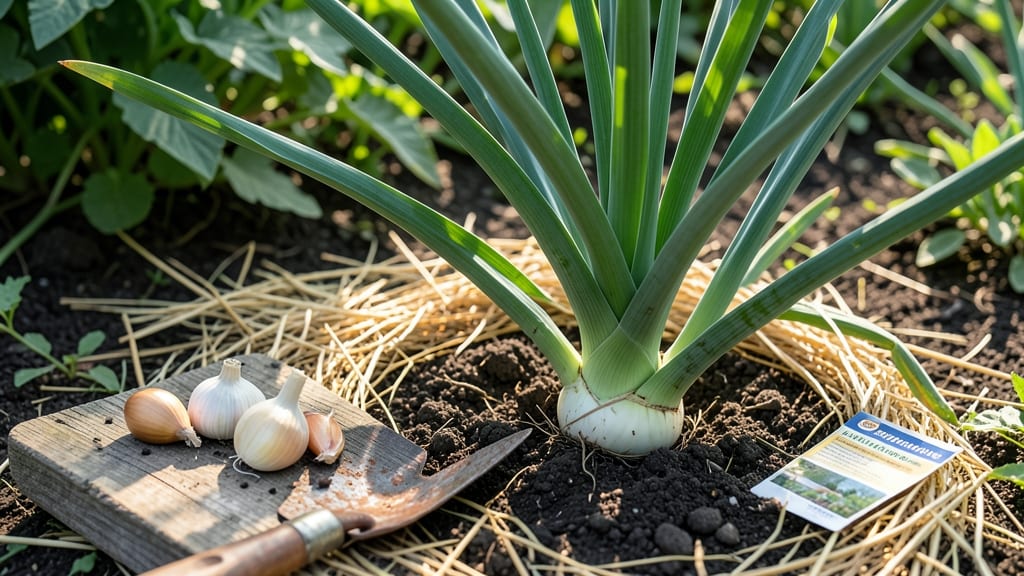
Timing your garlic planting in Portland, Oregon could mean the difference between plump, flavorful bulbs and a disappointing harvest. With the city's mild coastal climate and unpredictable weather, getting the window right is critical—especially when hardneck varieties need cold exposure to form properly.
Most gardeners in USDA Zone 8a know fall is the key season, but Portland's wet springs and variable frost dates demand precision. Planting too early risks moldy cloves, while waiting too long may leave your crop vulnerable to winter rains.
The ideal window—October through November—balances soil temperatures and frost risks, setting you up for a July-August harvest.
I’ve grown 🧄 garlic here for years, and I’ll share exactly how to adjust for Portland’s microclimates—whether you’re in a rainy urban pocket or a slightly warmer suburban area. You’ll learn soil prep tricks, frost-free planting strategies, and how to spot common mistakes before they derail your crop.
Ready to grow garlic that rivals the farmers' market? Let’s dive into the perfect planting schedule for your Portland garden, so you can enjoy homegrown bulbs that taste even better than store-bought.
Portland’s ideal garlic planting window: month-by-month breakdown for zero frost risk
Portland’s USDA Zone 8b/9a climate gives garlic growers a unique advantage—longer growing seasons and milder winters than inland areas. But timing still matters. Plant too early, and your cloves may sprout before winter sets in.
Plant too late, and frost damage risks your harvest. The ideal window is mid-October to early November, when soil temps hover around 40-50°F.
For hardneck varieties (like Music or German White), aim for late October—they need cold exposure to form bulbs. Softneck varieties (like Silverskin) are more flexible and can go in until mid-November.
Check your last frost date (around March 15 in Portland) and plant 6-8 weeks before the first hard frost.
Here’s how Portland’s coastal climate affects your schedule: Wet winters delay planting, while urban heat islands (like downtown) may allow slightly earlier starts. Elevation also plays a role—higher areas (e.g., Hillsboro) freeze sooner than lower elevations (e.g., Gresham).
Always test soil temps with a soil thermometer—40°F or below signals it’s time to mulch.
Portland Garlic Planting Timeline
| Month | Hardneck Varieties | Softneck Varieties | Soil Temp Goal | Notes |
|---|---|---|---|---|
| September | Prep soil | Prep soil | 60-70°F | Test soil pH (6.0-7.0) |
| October | Plant by Oct 20 | Plant by Oct 31 | 40-50°F | Mulch after planting |
| November | Plant by Nov 15 | Plant by Nov 30 | 35-45°F | Cover with straw |
| December | Avoid planting | Late plantings possible | 30-40°F | Risk of frost damage |
| January-February | Dormant | Dormant | 32-40°F | Monitor for pests |
🌱 Pro Tip: Use row covers in late fall to extend your planting window by 2-3 weeks.
If you’re growing organic garlic, avoid planting after November 1—late plantings often produce smaller bulbs and are more prone to mold in Portland’s damp winters. Hardneck varieties thrive in colder temps, while softnecks tolerate milder winters better.
For urban gardeners, microclimates near buildings or pavement can push planting dates 1-2 weeks earlier.
After planting, mulch heavily with straw or leaves to insulate cloves. In wet winters, ensure your garden has good drainage—waterlogged soil leads to rot. If you’re unsure about frost dates, check the National Weather Service Portland or use local gardening apps like PlantNet for real-time updates.
Remember: Garlic needs 60-80 days of cold to form bulbs. If Portland’s winters are too mild (like in 2015-2016), consider chilling cloves in the fridge for 4-6 weeks before planting. This mimics winter conditions and ensures larger yields.
For first-time growers, start small with 5-10 cloves to test your timing. If you plant in October and mulch correctly, you’ll harvest plump bulbs by July—just in time for Portland’s farmers’ markets! 🧄
Finally, mark your calendar for Portland’s Garlic Festival (usually in July)—it’s a great time to share your harvest and learn from local experts. Whether you’re growing for culinary use or medicinal benefits, perfecting your planting window is the first step to garlic success in Portland’s unique climate.
How to adjust planting dates for Portland’s microclimates: rainy season vs. urban heat islands
Portland’s coastal climate creates unique challenges for garlic growers. While the city averages USDA Zone 8b/9a, microclimates like urban heat islands or wet winter zones can shift your ideal planting window by weeks. Understanding these variations helps you avoid soil saturation or premature sprouting—both common pitfalls in Portland.
If you live in lower-elevation areas (e.g., Hillsboro or Beaverton), your soil may freeze earlier due to colder air pooling. Aim to plant hardneck varieties by mid-October to ensure they establish roots before winter.
In contrast, urban heat pockets (like downtown Portland) can delay frost by 2-3 weeks, giving you flexibility to plant until early November.
Portland’s rainy winters (October–January) can turn your garden into a muddy mess. If your soil stays soggy for more than 48 hours, garlic cloves may rot. Test soil moisture by squeezing a handful—if it forms a ball, wait 3–5 days before planting.
For rural areas (e.g., Gresham or Troutdale), elevation differences mean frost arrives earlier. Plant softneck garlic by late September to give it a head start. Use a soil thermometer to confirm temperatures stay above 40°F—garlic roots need warmth to establish before winter dormancy.
Adjust your mulching strategy based on your microclimate. In wet zones, use straw or wood chips (4–6 inches) to insulate soil and prevent waterlogging. In urban heat areas, opt for light mulch (2–3 inches) to avoid overheating cloves. Both methods protect against Portland’s unpredictable frost patterns.
Check local frost-free dates from resources like the Portland Metro Gardeners or Oregon State University Extension. Their data often reveals 2–3 week variations between neighborhoods. For example, Sauvie Island may have 10 days fewer frost-free days than West Portland—critical for timing your harvest.
Pro tip: Plant a test row in early October. If cloves sprout within 10–14 days, your microclimate is too warm, and you should delay planting by 1–2 weeks. This simple trick saves your entire crop from bolting or weak bulb formation.