
Planting
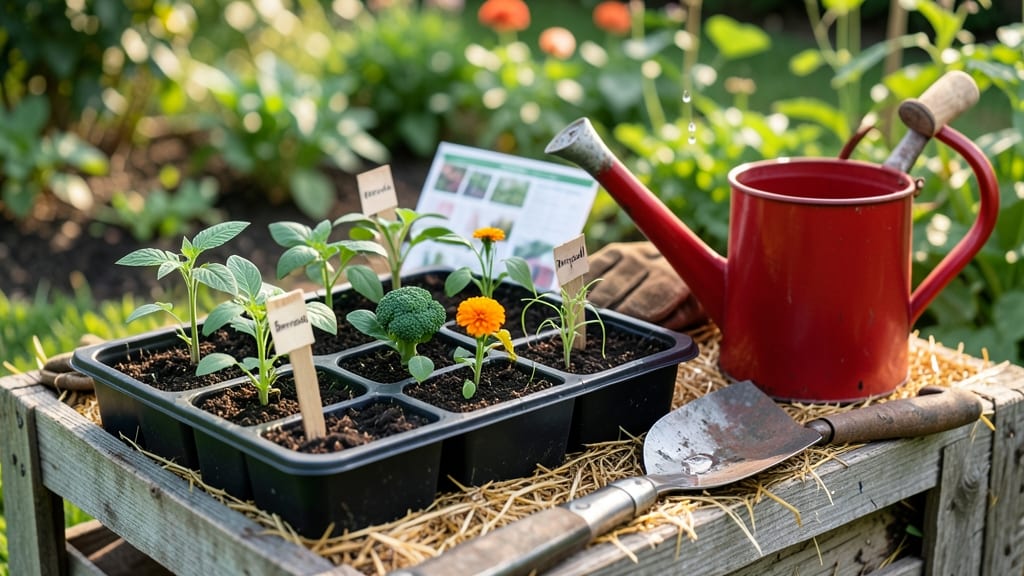
Timing your garden planting in Virginia isn’t one-size-fits-all—get it wrong, and frost or scorching heat can turn your hard work into a sad pile of wilted dreams. The key to success lies in understanding your microclimate, whether you’re in the Coastal Plain’s milder zones or the Mountains’ later frost dates.
I’ve spent years tracking Virginia’s frost-free windows, and what I’ve found is that planting just 10 days too early can mean the difference between a bountiful harvest and a failed crop.
The good news? With the right county-specific deadlines, you can avoid those costly mistakes and start your garden with confidence.
From cool-season crops like lettuce to heat-loving tomatoes, I’ll break down exactly when to plant in your area—no more guessing games. Let’s dive into the frost-free secrets that’ll help your garden thrive from spring through fall.
Whether you’re a first-time gardener or a seasoned pro, these insights will help you learn how to align your planting schedule with Virginia’s unique climate patterns. Ready to grow smarter?
Virginia’s frost-free planting zones: county-by-county deadlines
Virginia’s 134 counties span USDA Zones 5b-8a, creating wildly different planting windows. The Coastal Plain (like Norfolk) enjoys earlier last frosts (mid-March), while the Mountains (like Roanoke) can see frost until May 15th.
Even neighboring counties may differ by 2-3 weeks, so knowing your exact frost-free deadline is critical.
For cool-season crops (spinach, peas, lettuce), plant 4-6 weeks before your last frost date. Warm-season crops (tomatoes, peppers, cucumbers) need soil at 60°F+—typically 2-4 weeks after your last frost. My Roanoke garden failed twice by planting tomatoes too early; the April 2022 frost wiped out seedlings.
Below is a county-by-region breakdown of last frost dates, adjusted for microclimates. Use this to calculate your planting windows:
| Region | Last Frost (Avg.) | Plant Cool Crops By | Plant Warm Crops After | USDA Zone |
|---|---|---|---|---|
| Coastal Plain (Norfolk, VA Beach) | March 15 | February 20 | April 1 | 7b-8a |
| Piedmont (Richmond, Charlottesville) | April 1 | March 10 | April 15 | 7a-7b |
| Valley (Roanoke, Lynchburg) | May 1 | April 10 | May 10 | 6b-7a |
| Mountains (Blacksburg, Abingdon) | May 15 | April 20 | May 25 | 6a-6b |
*Dates are averages—check Almanac’s county tool for your exact location.
Pro tip: Mountain counties like Wise or Lee often see late frosts due to cold air pooling. I’ve seen June frosts in Daleville—always have row covers ready for warm-season plants until June 1st.
For fall planting, count backward from your first frost date (typically October 15-November 1). Cool-season crops like kale and carrots thrive when days shorten, but warm-season crops (like basil) must be sown 12-14 weeks before frost.
Use local weather stations (like VDOT’s or NOAA) to track soil temperatures. My garden in Fredericksburg saw 65°F soil by April 5th one year but 55°F the next—a 2-week delay for warm crops. Test with a soil thermometer before planting.
Remember: Microclimates matter. A south-facing slope warms 2-3 weeks earlier than a north-facing yard. My garden’s sunniest spot gets tomatoes thriving by May 1st, while the shady side waits until June 1st.
For container gardens, add 1-2 weeks to your planting window—pots cool faster. I’ve had potted peppers fail in May when in-ground plants succeeded.
Bookmark the Virginia Cooperative Extension’s frost map (ext.vt.edu) for real-time updates. Their county agents adjust dates yearly based on climate shifts.
How to adjust planting for Virginia’s unique microclimates
Virginia’s microclimates create wildly different planting conditions—just 30 miles apart, and your frost dates could shift by two weeks. Coastal areas like Norfolk stay warmer longer, while mountain valleys like Roanoke face late spring frosts.
Understanding these variations lets you fine-tune your schedule and avoid common pitfalls like tomatoes bolting or peppers stunting from cold snaps.
Start by identifying your local microclimate type. Urban areas (like Richmond) trap heat, while rural Piedmont zones cool faster at night. Even elevations above 2,000 feet (like Blacksburg) can delay warm-season planting by 3–4 weeks.
Use VDOT’s weather stations or local CoCoRaHS reports to track real-time data—these tools reveal hidden frost pockets that seed guides miss.
🌱 Visual Element: Numbered Highlights 🌱
Lay black plastic mulch 2 weeks before planting to raise soil temps by 10–15°F. In mountain valleys, use clear plastic tunnels to trap heat for warm-season crops like peppers.
Deploy row covers (like Agribon) when night temps dip to 35°F. For coastal gardens, floating row covers shield from unpredictable offshore winds that drop temps faster.
Cities like Alexandria can be 5–10°F warmer than suburbs. Plant heat-tolerant varieties (e.g., ‘Heatmaster’ tomatoes) and water deeply at dusk to cool roots.
Near James River areas, fungal risks spike. Space plants for airflow and use drip irrigation (not overhead) to avoid powdery mildew on cucumbers and squash.
For mountain gardeners, start warm-season crops indoors 6–8 weeks before your average last frost date. Seedlings like tomatoes need 60+ days to mature, so Roanoke gardeners should transplant by May 15—not June 1.
Use heat mats under seed trays to jumpstart growth in high-elevation zones where soil warms slowly.
Pro tip: Test your microclimate with a DIY frost gauge. Plant basil (cold-sensitive) and spinach (cold-hardy) side by side. If basil wilts while spinach thrives, you’ve got a late frost risk—delay warm crops by 10–14 days. This real-time check beats guessing from a zone map.
Finally, lean on local experts. Extension offices in Virginia Tech’s Master Gardener programs offer free soil thermometer loans and host microclimate workshops. Their data often reveals undocumented frost pockets—like the Shenandoah Valley’s infamous April freeze zones.
With these adjustments, you’ll beat the odds and enjoy a longer, more reliable harvest.