
Planting
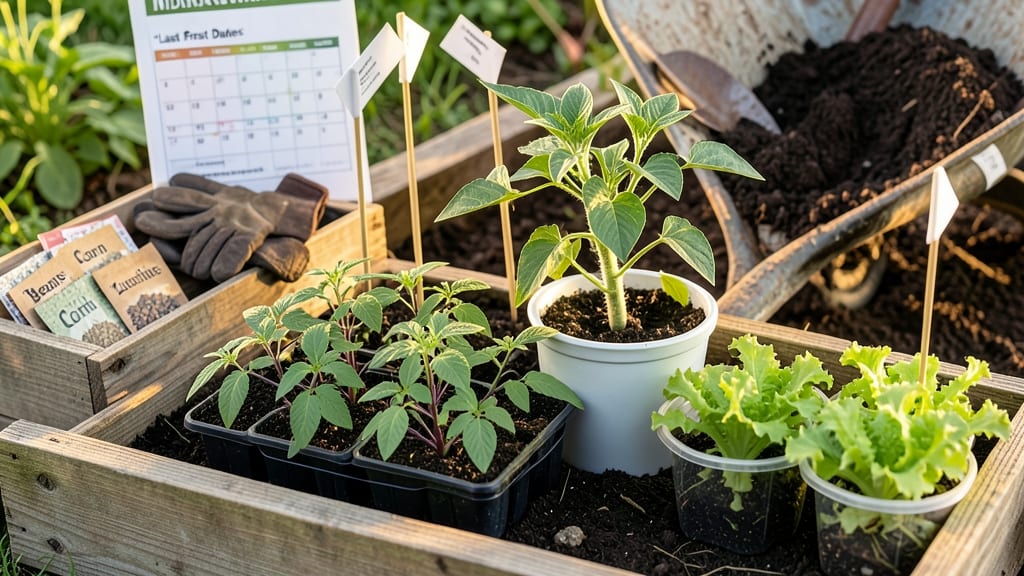
Timing your Indiana garden planting perfectly can mean the difference between a bumper crop and a sad, wilted disappointment—especially when spring weather plays hide-and-seek.
With USDA Zones 5-6, you’ve got just a narrow window to get seeds in the ground before those late frosts strike, and missing it by even a week can leave your 🌱 dreams in the dust.
I’ve seen firsthand how a misplaced planting date can turn eager gardeners into frustrated ones, but the good news? Indiana’s climate actually works in your favor if you know the tricks.
Whether you’re sowing cool-loving lettuce or heat-hungry tomatoes, the key is understanding when to start indoors, when to direct-sow, and how to adjust for your specific corner of the state.
Let’s cut through the guesswork with a simple, zone-specific planting schedule that accounts for Indiana’s fickle weather. You’ll learn exactly when to plant everything from peas to pumpkins, plus how to protect tender seedlings when those unpredictable cold snaps roll in.
Ready to turn your backyard into a thriving garden? I’ll walk you through the most critical planting dates, soil prep secrets, and even how to stretch your growing season for extra harvests—no more second-guessing, just confident planting.
Indiana planting calendar: exact start dates for cool-season vs warm-season vegetables
Indiana’s USDA Zones 5-6 mean your planting schedule hinges on last frost dates, which typically range from April 15-30 in southern Indiana to May 1-15 in the north.
I’ve broken down the ideal planting windows for both cool-season crops (like lettuce and peas) and warm-season favorites (tomatoes, peppers) to help you avoid frost damage while maximizing yields.
For cool-season vegetables, I recommend starting seeds indoors 6-8 weeks before your last frost date. These hardy plants—such as spinach, kale, and broccoli—can often handle light frosts, but their growth slows dramatically in soil below 50°F.
Warm-season crops, however, need consistent soil temperatures above 60°F to thrive, so I wait until 2 weeks after the last frost to transplant them.
Here’s the key: Direct sowing (planting seeds straight into the ground) and transplanting (moving seedlings) have different timelines. For example, radishes can go in the soil as early as late March, while tomato seedlings won’t tolerate cold snaps and must wait until late May in most of Indiana.
To make this easier, I’ve created a summary table below with exact planting dates, soil temperature requirements, and notes on frost sensitivity. This will help you plan your garden layout and avoid common mistakes like planting peppers too early or lettuce too late.
| Plant Type | Direct Sow | Transplant | Soil Temp | Frost Tolerance |
|---|---|---|---|---|
| Cool-Season Veggies | March 15 - April 15 | April 1 - May 1 | 45-55°F | High (light frost OK) |
| Lettuce, Spinach, Peas | March 20 - April 30 | April 15 - May 10 | 40-50°F | Very High |
| Broccoli, Cabbage, Kale | April 1 - May 1 | April 15 - May 15 | 50-60°F | Moderate |
| Warm-Season Veggies | May 15 - June 15 | May 20 - June 10 | 60-70°F | Low (frost kills) |
| Tomatoes, Peppers, Eggplant | N/A (transplant only) | May 20 - June 10 | 65-75°F | None |
| Beans, Corn, Squash | May 15 - June 15 | May 20 - June 10 | 60-70°F | Moderate (young plants OK) |
One of my biggest mistakes as a new gardener was planting tomato seedlings too early in April, only to have them wilt from frost a few nights later. Since then, I’ve learned to wait until soil temperatures consistently stay above 60°F—usually late May in most of Indiana.
For cool-season crops, I’ve found that late March sowings of radishes and peas give me an early harvest before the heat sets in.
If you’re unsure about your last frost date, check the National Weather Service or local Purdue Extension resources. They provide historical averages and can help you adjust your planting schedule. For example, northern Indiana (like Fort Wayne) may have 2-3 weeks later frost dates than sou
How to adjust planting times for Indiana’s microclimates and last-frost risks
Indiana’s USDA Zones 5-6 create unique challenges, especially when northern Indiana (like Gary) can have 2-3 weeks later last frost dates than southern Indiana (like Evansville). This variation means your planting schedule should shift based on your exact location.
For example, northern Indiana typically sees its last frost around April 20-30, while southern Indiana often reaches that milestone by April 10-20. Always check your local National Weather Service or Purdue Extension for precise dates.
Even within these zones, microclimates play a huge role. A south-facing slope warms up faster than a low-lying area, allowing you to plant warm-season crops like tomatoes and peppers 2 weeks earlier in those spots.
Conversely, valleys and shaded areas may stay colder longer, delaying your planting window. Use these microclimates to your advantage by planting heat-lovers in the warmest spots first.
🌱Pro Tip: If you’re unsure about your last frost date, use the 50-degree rule—most warm-season plants need soil temperatures above 50°F (10°C) for consistent germination. A simple soil thermometer (available for ~$10) will save you from guessing.
Avoid These Common Mistakes in Indiana
- Planting too early: Cool-season crops like peas and spinach can handle light frosts, but warm-season plants (tomatoes, peppers) will rot or fail if planted before soil warms.
- Ignoring frost warnings: A late frost in May can wipe out tender seedlings. Use row covers or wait until after the average last frost date.
- Skipping soil prep: Cold, compacted soil delays germination. Amend with compost 2-3 weeks before planting to warm the soil faster.
For extended-season gardening, tools like row covers and cold frames can push your planting window 2-4 weeks earlier in spring or 3-6 weeks later in fall.
For example, you can plant lettuce or spinach under row covers as early as March 15 in southern Indiana, while uncovered plants should wait until April 1. Similarly, kale and broccoli can often survive light frosts, allowing you to harvest well into November with protection.
If you’re new to calculating your last frost date, start with the Purdue Extension’s frost date map (available online) and adjust based on your elevation and local conditions.
For instance, Indiana’s highest point (Hoosier Hill, 1,257 ft) will have a later frost than areas near Lake Michigan, which benefits from the lake’s warming effect. Use 3-5 years of local data to refine your timing—your garden’s success depends on it!
💡Indiana-Specific Hack: Plant fast-growing radishes or arugula as a frost indicator. If they thrive without damage, your warm-season plants are likely safe to follow. This natural test beats relying on weather forecasts alone.