
Planting
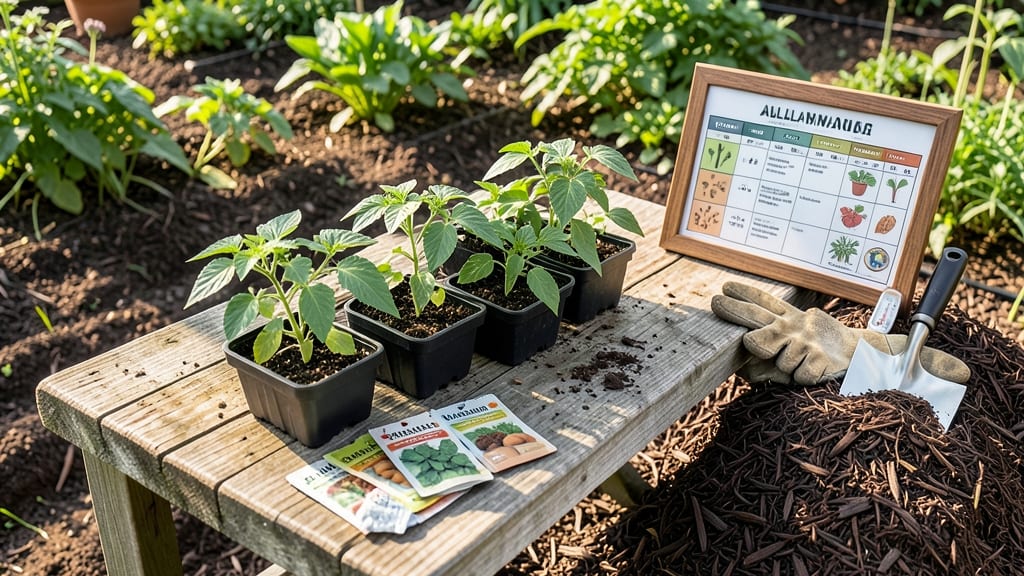
Knowing when to plant a garden in Alabama can mean the difference between a thriving harvest and a disappointing one. With USDA zones 7a-8b and a long growing season, Alabama offers gardeners plenty of opportunities—but timing is everything to avoid common pitfalls like bolting lettuce or stunted tomatoes.
The best months to plant in Alabama depend on what you're growing. Cool-season crops like broccoli and spinach thrive when planted in late winter to early spring, while warm-season favorites such as peppers and squash need to wait until after the last frost—usually mid-March in most regions.
Even perennials and flowers have ideal windows.
But here’s the catch: Alabama’s microclimates—from the humidity of the South to the cooler highlands of the North—mean your neighbor’s planting schedule might not work for you. I’ll break down the exact months for each crop type, including adjustments for frost dates and regional quirks.
Ready to double your garden’s success? Let’s dive into the Alabama planting calendar and discover the best strategies for your zone, whether you’re a beginner or a seasoned gardener. Your most productive season starts with the right timing!
Alabama planting calendar: best months for vegetables, herbs, and flowers
Alabama’s USDA zones 7a-8b give gardeners an incredible 210-240 frost-free days—but knowing exactly when to plant each crop maximizes your harvest. Cool-season crops like lettuce and broccoli thrive in February-April, while warm-season favorites such as tomatoes and peppers need to wait until after the last frost date (mid-March in North Alabama, late February in South Alabama).
Your location matters: North Alabama (Huntsville, Decatur) has cooler springs, while Central Alabama (Birmingham, Montgomery) enjoys earlier warm-ups. South Alabama (Mobile, Dothan) can plant some crops 6 weeks earlier than the north. Let’s break it down by month for vegetables, herbs, and flowers.
🌱 PRO TIP: Always check your local frost dates (use the Alabama Cooperative Extension map) and adjust by 2-4 weeks if you’re in a microclimate like a valley or urban heat zone.
🌱 Alabama Planting Calendar by Month
| Month | Cool-Season Crops | Warm-Season Crops | Herbs & Flowers | Notes |
|---|---|---|---|---|
| February | Lettuce, Spinach, Peas, Broccoli | N/A (Too cold) | Pansies, Snapdragons, Calendula | South AL: Start warm crops like onions and garlic. |
| March | Carrots, Radishes, Kale, Cabbage | Tomatoes (after last frost), Peppers, Eggplant | Basil, Cilantro, Marigolds, Zinnias | North AL: Wait until mid-March for warm crops. |
| April | Late: Beets, Turnips, Arugula | Okra, Sweet Potatoes, Corn | Rosemary, Thyme, Sunflowers | Succession plant beans every 2 weeks. |
| May | N/A (Too hot) | Melons, Cucumbers, Squash | Lavender, Oregano, Nasturtiums | Mulch to retain moisture—Alabama summers are humid! |
| August-September | Broccoli, Cabbage, Lettuce (shade cloth) | Pumpkins, Winter Squash | Asters, Chrysanthemums, Dill | Fall planting avoids pests like squash bugs. |
🌱 Key: "N/A" = Not suitable; "Late" = End of month; "Shade cloth" = Use 30-50% shade for summer cool crops.
For perennials like asparagus or rhubarb, plant crowns in early spring (March) or fall (October)—they establish roots slowly. Bulbs such as tulips and daffodils go in October-November for spring blooms, while spring-blooming bulbs like hyacinths need chilling—plant them in fall.
Herbs like basil and cilantro are warm-season and cool-season plants, respectively. Basil bolts in heat, so start it in April-May and September for a fall crop. Cilantro, however, thrives in February-March and September-October—plant it too late, and it’ll run to seed quickly.
🌿 REGIONAL ADJUSTMENT: In North Alabama, hold off on warm crops until after April 15 to avoid late frosts. In South Alabama, you can plant tomatoes in February under row covers for an early harvest!
Don’t forget succession planting! Crops like beans, lettuce, and radishes grow quickly—
How Alabama’s microclimates affect your planting schedule
Alabama’s diverse geography means your planting schedule should depend on more than just the calendar—your exact location matters. North Alabama’s higher elevations (like Huntsville) experience later last frosts (mid-April) compared to South Alabama (Mobile area), where warm-season crops can start as early as February.
Even within cities, urban heat islands can push planting windows 2-3 weeks earlier than rural areas.
For example, lettuce bolted in May heat in Birmingham but thrives through summer in Mobile’s coastal climate. Meanwhile, tomatoes planted too early in Decatur’s cooler microclimate may struggle with soil temperatures below 60°F. These variations explain why Alabama’s USDA zones 7a-8b still require local adjustments for success.
- Planting warm-season crops before soil reaches 65°F (use a soil thermometer)
- Ignoring urban heat islands—city gardens may need shade cloth for heat-sensitive greens
- Assuming all of Alabama follows Birmingham’s schedule (check local frost dates)
- Skipping elevation adjustments—every 1,000 ft gain delays spring planting by 1-2 weeks
To adapt, start by identifying your specific microclimate.
Check whether your yard sits in a sunken area (cooler, retains moisture longer) or on a south-facing slope (warmer, dries faster). North Alabama gardeners should wait until April 15 for tomatoes, while South Alabama can plant as early as March 1.
Even within cities, backyard microclimates vary—your fence or tree line might create a 5°F difference from the street.
For troubleshooting, note these red flags: Yellowing leaves on peppers? Likely too cool for germination. Bolting lettuce in May? Your soil temps may be too high. Adjust by using row covers for early spring or shade cloth in summer. Stunted growth in containers?
Urban areas often have drier, poorer soil—amend with compost and mulch heavily.
Pro tip: Use Alabama Cooperative Extension’s frost maps (available online) to find your exact last frost date. For cool-season crops, plant 6 weeks before that date; for warm-season, wait 2 weeks after.
In transition zones (like Cullman), consider succession planting to stretch harvests—start radishes in March, beans in April, and kale in August for fall harvests.
Remember, Alabama’s humidity and pests also shift with microclimates. Southern regions battle squash vine borers earlier, while northern areas face cucumber beetles later. Monitor local pest reports and adjust planting times to avoid peak infestations.
With these adjustments, you’ll maximize your garden’s potential—no matter where in Alabama you garden. 🌿