
Planting
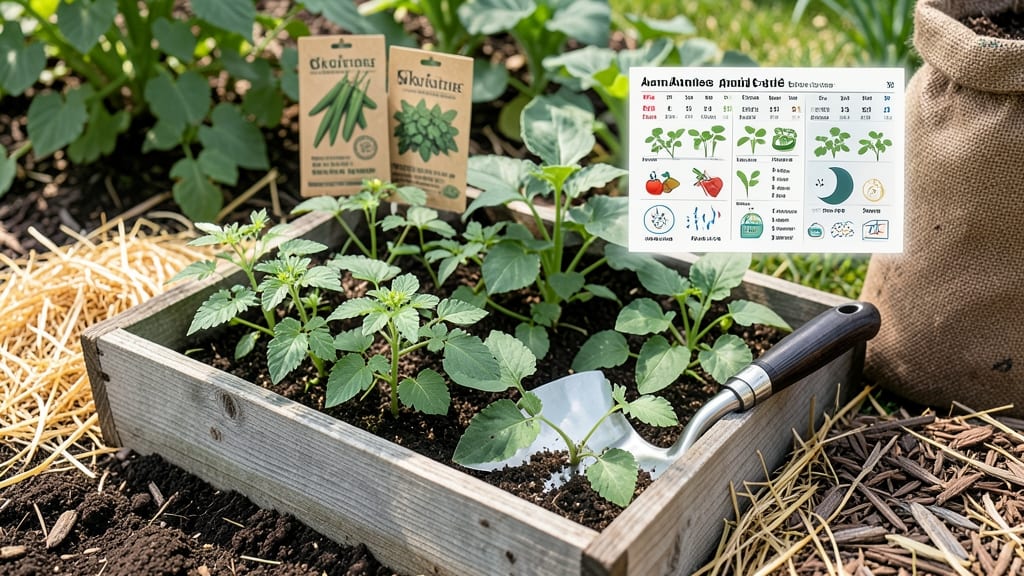
Knowing when to plant a garden in Alabama can transform your harvest from a gamble into a guaranteed success. The General Alabama Garden 🌱 thrives best when planted during Alabama’s optimal windows—late winter to early spring and early fall—when frost risks are lowest and soil temperatures are ideal.
Alabama’s 7a-8b zones give gardeners a longer growing season than many northern states, but even here, late frosts can sneak in around mid-March in some regions. Knowing when to start seeds indoors versus planting directly outdoors is the key to avoiding frost damage and maximizing your yield.
Whether you're dreaming of crisp spring lettuce or summer tomatoes, this guide will walk you through the best months to plant each crop—plus how to adjust for Alabama’s microclimates. Let’s get your General Alabama Garden off to the perfect start.
From cool-season greens to heat-loving peppers, we’ll cover everything you need to know to plant with confidence. Say goodbye to guesswork and hello to a bountiful harvest!
Alabama planting zones & frost dates: when to start seeds indoors vs. outdoors
Alabama spans USDA zones 7a-8b, giving gardeners a 200-240 day frost-free season—but timing still matters. The last average frost date varies dramatically: March 15 in Birmingham (Zone 7b) vs. March 1 in Mobile (Zone 8a).
These differences mean your cool-season crops like broccoli or lettuce can go in 2-3 weeks earlier in southern Alabama than in the north.
Understanding these zones helps you decide when to start seeds indoors vs. plant directly outside. For example, tomatoes and peppers (warm-season lovers) should wait until 2-3 weeks after your last frost, while spinach and peas (cool-season stars) thrive when planted 4-6 weeks before that date.
Let’s break down the specifics for your region.
🌱 Key Tip: Always check your local last frost date—not just the average—using the Alabama Cooperative Extension’s frost maps. A late frost in April can wipe out tender seedlings overnight.
| Region | USDA Zone | Avg. Last Frost | Start Cool-Season Indoors | Plant Cool-Season Outdoors | Plant Warm-Season Outdoors |
|---|---|---|---|---|---|
| North Alabama (Huntsville) | 7a | March 22 | Feb 15-March 1 | March 15-April 1 | April 15-May 1 |
| Central Alabama (Birmingham) | 7b | March 15 | Feb 1-March 15 | Feb 28-April 1 | April 1-May 1 |
| South Alabama (Mobile) | 8a | March 1 | Jan 15-Feb 15 | Feb 15-March 15 | March 15-April 1 |
*Adjust dates 1-2 weeks earlier for southern exposures or later for shady spots.
For cool-season crops like kale, carrots, and onions, I recommend starting seeds indoors 4-6 weeks before your last frost. This gives them a head start, especially if you’re in Zone 7a where nights can still dip below 32°F in March.
Use grow lights if your indoor space lacks sunlight—these seedlings need 12-14 hours of light daily to avoid leggy, weak plants.
Warm-season crops like okra, sweet potatoes, and basil are trickier. They hate frost and need soil temps above 60°F to germinate. In northern Alabama, wait until mid-April to plant; in southern Alabama, you can start as early as mid-March.
Use a soil thermometer to confirm—if it’s below 60°F, wait another week.
🌡️ Pro Tip: If you’re eager to plant warm-season crops early, try a black plastic mulch or row covers to warm the soil faster. This can shave 1-2 weeks off your planting timeline without risking frost damage.
Don’t overlook fall planting—Alabama’s mild winters let you grow cool-season crops until November. Aim to plant 4-6 weeks before your first frost (typically mid-November in Birmingham, late November in Mobile). This gives crops like spinach, radishes, and broccoli time to mature before cold sets in.
For perennials and shrubs, timing matters too. Plant bare-root plants in late winter or early spring (February-March) when the ground is workable but before new growth starts. Container-grown plants can go in year
Best months to plant vegetables, flowers, and herbs in Alabama by type
Alabama’s long growing season lets you plant almost year-round, but timing matters for each crop type. Cool-season crops like lettuce and spinach thrive in early spring (February-March) and fall (August-September), while warm-season favorites such as tomatoes and peppers need to wait until after the last frost (mid-March in most areas).
Herbs like basil and cilantro have their own sweet spots too.
For vegetables, start with peas and potatoes in February for an early harvest. Then transition to tomatoes, peppers, and cucumbers in May once soil warms to 60°F+. Fall planting of greens like kale and collards in August ensures winter harvests before frost hits.
Flowers follow similar rules: cool-season annuals like pansies and snapdragons go in September-October, while warm-season bloomers such as marigolds and zinnias wait until April-May. Perennials like daylilies can be planted spring or fall, but avoid extreme heat.
🌱 Alabama Planting Calendar by Crop Type
- 🌱 Cool-Season Veggies (Lettuce, Spinach, Broccoli): February-March & August-September
- 🌿 Warm-Season Veggies (Tomatoes, Peppers, Okra): April-May & June-July
- 🌼 Cool-Season Flowers (Pansies, Sweet Alyssum): September-October
- 🌺 Warm-Season Flowers (Marigolds, Zinnias): April-May
- 🌿 Herbs (Basil, Cilantro): March-April & August-September
Succession planting is key for continuous harvests. For example, sow lettuce every 2 weeks from March to August to avoid bolting in summer heat. The same goes for bush beans and radishes—short growing seasons mean frequent replanting for steady yields.
Herbs deserve special attention. Cilantro bolts in heat, so plant it in spring and fall only. Basil, however, loves Alabama’s summer sun—start seeds indoors in March and transplant after last frost. For perennials like rosemary, plant in early spring to establish roots before summer droughts.
Pro tip: Use Alabama Extension’s frost maps to track local conditions. Southern Alabama (Zone 8b) can plant 2-3 weeks earlier than northern areas (Zone 7a). Always check soil temps with a thermometer—50°F+ for cool crops, 60°F+ for warm crops—before planting.