
Plants
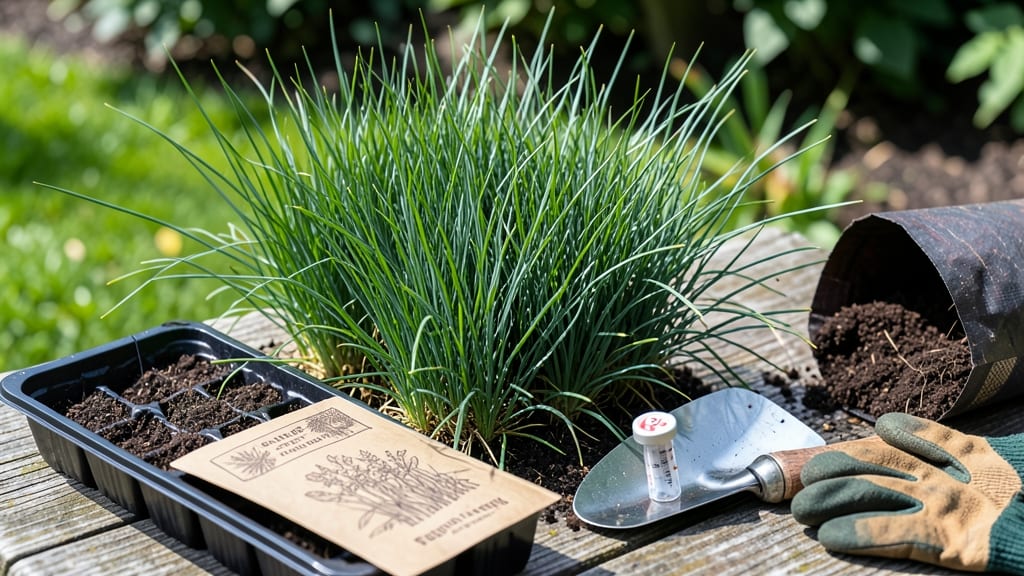
Timing your fescue planting in South Carolina is the secret to a lawn that stays thick and green year-round—especially when coastal humidity clashes with inland dry spells. Whether you're in Charleston or Greenville, getting the timing right means avoiding the summer heat or the first frost sneaking in too early.
The good news? Fescue is tough enough to handle South Carolina’s 7b-8a climate, but planting it 4-6 weeks before frost makes all the difference.
Most gardeners swear by early fall (September) as the ideal window, but late summer (August) can work too—if you're in the inland regions where the heat isn't as brutal. Coastal areas, though, need to act fast to beat the humidity and potential hurricanes.
Think of it like catching a wave: too early, and your grass struggles in the heat; too late, and frost zaps its growth before it even takes hold.
Here’s the game-changer: soil temperature matters just as much as the calendar. Aim for 60-70°F soil—that’s the sweet spot for fescue roots to dig in without stress. Inland zones can push it a little later, while coastal spots should plant sooner to avoid summer’s lingering heat.
And don’t forget, microclimates play a role too—your neighbor’s yard might have a different timeline than yours.
Ready to skip the guesswork? I’ll walk you through the exact deadlines for your part of the state, plus pro tips to adjust for rain, heat, or even last-minute planting. Let’s get that 🌱 fescue growing strong—no patchy yard in sight.
Optimal planting windows for fescue in South Carolina’s coastal vs inland regions
South Carolina’s diverse microclimates create two distinct planting zones for fescue: coastal areas (like Charleston and Myrtle Beach) and inland regions (Columbia and Greenville). The humidity near the coast allows earlier planting, while inland zones need to wait for cooler temperatures to avoid summer heat stress.
For coastal SC, late August through early September is ideal—this window lets seeds establish before hurricane season peaks. Inland areas should aim for mid-to-late September when soil temperatures drop below 75°F and nighttime temps dip into the 60s.
Spring planting is possible but riskier in SC. If you choose this route, late March to early April works best for both regions, but coastal areas must monitor hurricane forecasts closely. Inland zones can push slightly later due to lower humidity.
Here’s how to align your planting with South Carolina’s USDA Hardiness Zones 7b-8a:
| Region | Optimal Planting Window | Soil Temp Threshold | Key Consideration |
|---|---|---|---|
| Coastal (Charleston, Myrtle Beach) | Late August–Early September | 65–75°F | Higher humidity, hurricane risk |
| Inland (Columbia, Greenville) | Mid-to-Late September | 60–70°F | Drier air, cooler nights |
| Both Regions (Spring) | Late March–Early April | 55–65°F | Monitor frost dates |
Timing matters because fescue needs 4–6 weeks to establish roots before winter dormancy. Planting too late risks shallow root systems that struggle with SC’s freezing temperatures (average first frost: November 1). Coastal areas also face salt spray from storms, which can stress young seedlings.
For best results, test your soil’s pH (6.0–7.0 ideal) and amend with compost before planting. Coastal soils often need sand or peat moss to improve drainage, while inland areas may require organic matter to retain moisture during dry spells.
If you miss the fall window, late winter (February) is a secondary option—but expect slower germination due to cooler soil. Always water deeply after planting to encourage root growth, especially in sandy coastal soils.
Pro tip: Use a soil thermometer to confirm temperatures match your region’s ideal range. This small investment prevents costly mistakes in SC’s unpredictable climate.
Optimal planting windows for fescue in South Carolina’s coastal vs inland regions
South Carolina’s diverse microclimates create distinct planting deadlines for cool-season fescue. Coastal areas like Charleston and Myrtle Beach experience milder winters and higher humidity, while inland zones such as Columbia and Greenville face hotter summers and cooler nights.
These differences shift your ideal planting window by 3-4 weeks, so let’s break down the best times for each region.
For coastal South Carolina, aim to plant late August through early September. The 60-65°F soil temperatures in this window allow seeds to germinate before summer’s lingering heat stress.
Meanwhile, inland areas should target mid-September to early October when soil cools to 55-60°F, giving roots time to establish before the first frost—typically around November 1.
Here’s how these windows compare based on your location:
| Factor | Coastal SC (Charleston/Myrtle Beach) | Inland SC (Columbia/Greenville) |
|---|---|---|
| Ideal Planting Window | Late August–Early September | Mid-September–Early October |
| Soil Temperature | 60–65°F | 55–60°F |
| First Frost Date | Late November | Early November |
| Key Microclimate Factor | Higher humidity, milder winters | Hotter summers, cooler nights |
If you miss these windows, spring planting (March) is possible but riskier due to weed competition and summer heat stress. For coastal areas, spring planting should occur by mid-March, while inland regions can extend to late March when soil warms to 50-55°F.
Pro tip: Test your soil’s moisture and temperature 2-3 inches deep before planting. Use a soil thermometer to confirm the ideal range—this small step can double your fescue’s survival rate in South Carolina’s unpredictable climate.
For USDA Hardiness Zones 7b-8a, fescue thrives year-round but needs proper timing to avoid dormancy stress. Planting too early in hot soil can cause seeds to overheat, while waiting too late may leave roots vulnerable to frost. Balance is key!