
Plants
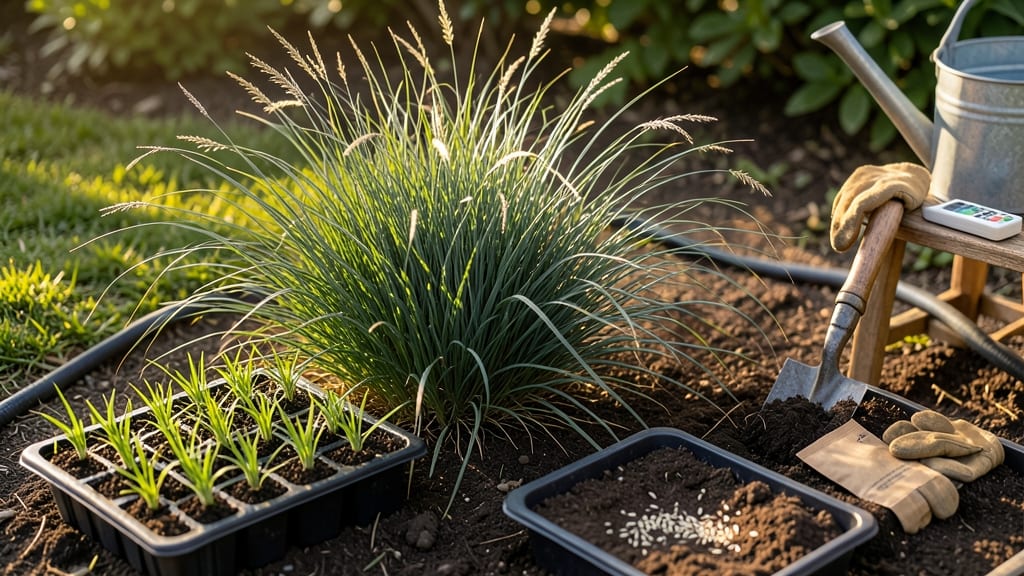
Planting fescue in Arkansas at the wrong time can leave your lawn struggling through scorching summers or freezing before it even takes root.
The key to a thriving yard lies in understanding the optimal planting windows—whether you're in the cooler northern zones or the warmer southern regions of the state.
For most of Arkansas's 7a-8b climate zones, late summer to early fall (August through October) is the sweet spot, giving your fescue 🌱 time to establish strong roots before winter.
But early spring (March to April) also works if you're in a hurry to see green—just be ready to protect young shoots from late frosts.
Why does timing matter so much? Because Arkansas's heat and humidity can either make or break your grass. Plant too early, and you risk drought stress; too late, and your lawn might not recover before summer's brutal heat hits.
Let me show you exactly when to plant based on your specific microclimate.
We'll cover soil prep tips, variety selection for Arkansas's tough conditions, and how to adjust for regional differences. By the end, you'll know exactly when to plant fescue in Arkansas to get that lush, resilient lawn you've been dreaming of.
Best months to plant fescue in Arkansas by region (north vs south)
Arkansas’ diverse climate—from the cooler Ozark Mountains in the north to the hotter Delta region in the south—means your fescue planting window should shift based on your exact location. Northern Arkansas (USDA Zones 7a-7b) enjoys cooler summers, while Southern Arkansas (Zones 8a-8b) faces intense heat and humidity.
Get the timing wrong, and your cool-season grass could either bake in summer or rot before establishing roots.
For optimal germination, focus on two key windows: late summer to early fall (August–October) and early spring (March–April). Fall planting is ideal because soil temperatures stay warm enough for root growth, but nights cool down—perfect for fescue’s deep-rooting habit.
Spring planting works too, but you’ll need to water aggressively to combat Arkansas’ evaporative summers.
Here’s how to align your planting with Arkansas’ microclimates:
If you’re in Northern Arkansas, aim for mid-September planting—this gives seeds time to germinate before first frost (typically November 15). In Southern Arkansas, rush to plant by early August to avoid the 90°F+ soil that stalls germination.
Pro tip: Use a soil thermometer to confirm temps are between 55–75°F before seeding.
Spring planting in Arkansas is trickier. In the north, March–April works if you’re ready to water daily until roots establish.
But in the south, February is your last chance—any later, and the oppressive heat will turn your lawn into a crispy brown wasteland. Tall fescue handles heat better than fine fescue, so choose wisely if you’re planting in Zone 8b.
Don’t overlook overseeding in late summer (July–August) if your existing lawn is thin. This fills bare spots before winter dormancy. Just mow low (1–1.5 inches), rake debris, and overseed when soil is warm but not scorching.
A light mulch (straw or peat moss) helps retain moisture in Arkansas’ variable rainfall.
For Arkansas gardeners, the golden rule is: Plant when soil is warm but air is cooling. This balance ensures strong root growth before winter dormancy. Skip the dog days of summer (June–July) unless you’re overseeding—even heat-tolerant fescue struggles to establish in 90°F+ soil.
Stick to these windows, and you’ll have a thick, green lawn by next spring.
🌱
Best months to plant fescue in Arkansas by region (north vs south)
Arkansas’ diverse microclimates mean planting fescue in North Arkansas (like Bentonville) differs from South Arkansas (like Pine Bluff). Northern zones have cooler springs and earlier frosts, while southern areas bake earlier.
Aim for late summer to early fall (August–October) for ideal germination before winter, or early spring (March–April) to avoid summer heat stress.
For Northern Arkansas (USDA Zones 7a–7b), focus on late August to mid-October—soil temps stay above 55°F for 4–6 weeks, giving seeds time to root before frost. In Southern Arkansas (Zones 7b–8a), extend planting to late September to avoid early heatwaves that dry out seedlings.
Spring planting works in both regions but requires consistent moisture as temps rise.
🌱
| Region | Optimal Planting Window | Soil Temp Threshold | Key Consideration |
|---|---|---|---|
| Northern Arkansas | Late August–Mid-October | 55°F+ for 4+ weeks | Avoid early frosts |
| Southern Arkansas | Late August–Late September | 60°F+ for 3+ weeks | Beat summer heat stress |
| Both Regions | Early March–Early April | 50°F+ consistently | Spring moisture critical |
In North Arkansas, fine fescue varieties like ‘Creeping Red’ thrive in cooler microclimates, while tall fescue (e.g., ‘Titan’) dominates in Southern Arkansas due to its heat tolerance.
Test soil 2–3 weeks before planting—Arkansas’ clay soils often need gypsum or compost to improve drainage. Water daily for 2 weeks post-planting to prevent crusting.
💧
Missed the fall window? Spring planting is your backup, but act fast—by mid-April, Arkansas’ humidity spikes, increasing fungal risks. Use a starter fertilizer (10-10-10) to jumpstart growth, and mulch with straw to retain moisture.
Avoid planting in July or August—seedlings will bake in 90°F+ temps, leading to poor establishment.
Pro tip: Overseed in late fall (November) for patchy areas—cool temps and morning dew create perfect germination conditions without summer pests. Just cover seeds with ¼-inch soil and keep them moist until sprouts appear in 10–21 days.
✂️