
Plants
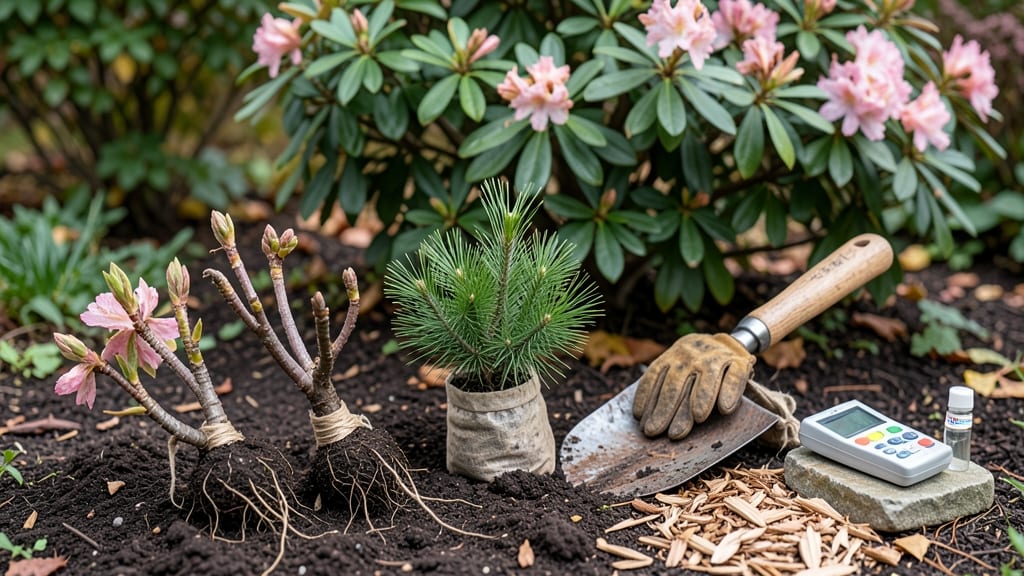
Knowing when to plant evergreens in Zone 6 can mean the difference between a thriving 🌲 and a struggling one—especially when winter’s chill tests their resilience.
The key lies in timing: too early, and roots won’t anchor before frost; too late, and your evergreens may struggle to bounce back in spring.
Zone 6’s fall or early spring planting windows offer the perfect balance, giving evergreens time to establish roots before extreme temperatures hit. But not all evergreens are created equal—some varieties handle cold better than others, and soil prep plays a critical role in survival.
In this guide, I’ll break down the ideal months for planting, the best cold-hardy evergreens for your climate, and common mistakes that could sabotage your success. Whether you’re adding a dwarf Alberta spruce or a towering pine, these insights will help you plant with confidence.
Ready to transform your landscape with evergreens that last? Let’s dive into the timing, soil secrets, and varieties that thrive in Zone 6’s unpredictable weather.
Optimal planting windows for evergreens in Zone 6: month-by-month breakdown
Zone 6’s unpredictable frost dates and cool summers demand precise timing when planting evergreens. The best windows are early spring (March-April) or fall (September-October), when soil temperatures hover between 40°F and 60°F—ideal for root establishment before winter dormancy.
Spring planting gives evergreens 6-8 weeks of growing season before summer heat arrives, while fall planting allows roots to anchor before frost. In Zone 6, aim to plant 6-8 weeks before your average first frost date (typically mid-October), giving roots time to harden off.
Evergreens like spruce and pine thrive when planted in cool, moist soil. Avoid planting during heatwaves or freezing temperatures, as both stress young roots. Use a soil thermometer to confirm temperatures are safe before transplanting.
For bare-root evergreens, plant in early spring when roots are dormant but soil thaws. Container-grown evergreens can handle fall planting better, as their root systems are less vulnerable to transplant shock.
🌲 Zone 6 Evergreen Planting Timeline
| Season | Best Planting Months | Soil Temp (°F) | Key Considerations |
|---|---|---|---|
| Early Spring | March–April | 40–50°F | Soil thawed; avoid frost risk. Ideal for bare-root plants. |
| Fall | September–October | 50–60°F | 6–8 weeks before first frost. Container-grown plants preferred. |
| Late Fall | November–December | Below 40°F | Avoid—roots won’t establish before freeze. |
| Summer | June–August | Above 70°F | High stress risk; transplant shock likely. |
⚠️ Pro Tip: Mulch heavily after planting to insulate roots in winter.
Evergreens like arborvitae and juniper benefit from fall planting because cooler temps reduce transplant shock. Water deeply once a week for the first month to encourage root spread. In Zone 6’s drier summers, mulch with 3–4 inches of wood chips to retain moisture.
If you miss the fall window, early spring (March) is your next best option. By April, soil warms enough for pine and spruce to resume growth. Just avoid planting after mid-April, as late spring frosts can damage tender new shoots.
For container-grown evergreens, remove the pot and loosen roots before planting. This prevents root circling, a common issue that stunts growth. Amend heavy clay soil with compost or sand to improve drainage—evergreens hate soggy roots.
Monitor your local microclimate. South-facing slopes warm faster in spring, while low-lying areas may frost later. Adjust planting dates accordingly. For example, blue spruce thrives in full sun, so plant it where it gets 6+ hours of sunlight daily.
After planting, stake tall evergreens (like eastern white pine) to prevent wind damage. Use soft ties to avoid girdling the trunk. In Zone 6’s windy winters, evergreens can dry out—water monthly if snow cover is light.
Remember: Patience is key. Evergreens establish slowly—give them 2–3 years to fully adapt before expecting lush growth. With the right timing, your Zone 6 evergreens will reward you with year-round color and texture for decades.
Optimal planting windows for evergreens in Zone 6: month-by-month breakdown
Zone 6’s unpredictable frost dates (typically April 15 to October 15) make timing critical for evergreen success. Planting too early exposes young roots to spring thaws and summer droughts, while late planting risks winter dieback before roots establish.
For fall planting, aim for 6-8 weeks before first frost—usually September through early November. This gives roots time to anchor before winter. Spring planting (March–April) works too, but avoid late spring when heat stress peaks.
🌲 Evergreen Planting Timeline for Zone 6
| Season | Best Months | Soil Temp (°F) | Key Considerations |
|---|---|---|---|
| Fall | September–November | 45–60°F | 6–8 weeks before frost; mulch heavily |
| Spring | March–April | 50–65°F | After last frost; water deeply weekly |
| Avoid | December–February | Below 32°F | Roots won’t establish; risk of transplant shock |
✂️ Pro Tip: Bare-root evergreens plant best in fall; container-grown thrive in spring.
For bare-root evergreens, fall is ideal—roots establish faster in cool, moist soil. Container-grown varieties, however, handle spring planting better due to established root balls. Always check soil temperature (use a thermometer) before planting.
Zone 6’s microclimates matter! South-facing slopes warm faster, extending the fall planting window by 2–3 weeks. North-facing areas may need earlier spring planting to avoid late frosts. Test your site’s frost dates for 3 years to refine timing.
After planting, mulch 3–4 inches deep with pine straw or shredded bark to insulate roots. Water deeply once weekly (1–3 gallons per tree) until roots establish—typically 1–2 growing seasons. Avoid overhead watering to prevent needle blight.
Timing isn’t just about months—it’s about soil conditions. Wait until soil is workable but not soggy (test with your finger). For container-grown evergreens, remove the pot and check roots; if circling, trim and loosen before planting. Bare-root plants should have moist but not waterlogged roots.