
Trees
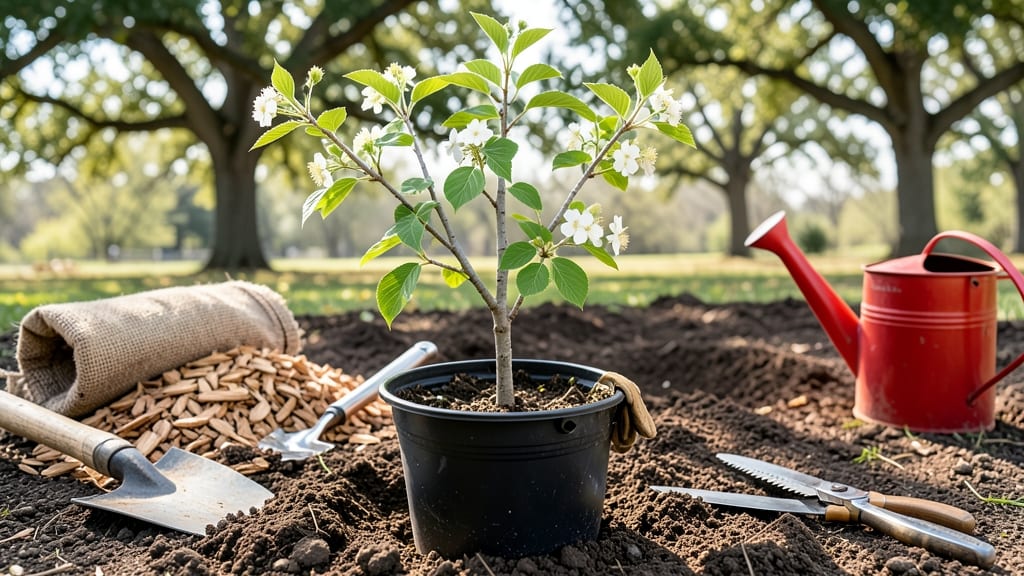
Planting dogwood trees in Texas at the wrong time can mean the difference between stunning spring blooms and a struggling sapling that never reaches its full potential. These iconic 🌳 trees thrive when planted during Texas's cooler months, but knowing the exact window matters—especially when frost dates vary from North to South Texas.
If you've ever wondered why some dogwoods flourish while others struggle, the answer often lies in timing. Texas gardeners know that late fall to early spring offers the perfect conditions for these acid-loving trees to establish strong roots before summer heat arrives.
But with USDA zones 8a-10b spanning such diverse climates, the ideal planting window shifts depending on where you live.
In this guide, I'll break down the best months to plant dogwood trees across Texas regions, including how to prepare your soil and choose the right variety for your microclimate.
Whether you're transplanting a bare-root sapling or setting out a container-grown tree, these steps will help ensure your dogwood grows into a healthy, long-lived centerpiece for your landscape.
Let's dive into the specifics so you can give your dogwood tree the best possible start—because the right timing is the key to years of beautiful spring blooms and lush foliage.
Best months to plant dogwood trees in Texas by region
Texas’s diverse climate means dogwood trees thrive best when planted during cooler months, but the exact timing depends on your region. In North Texas (USDA Zones 7b-8a), aim for November through early March to avoid late frosts.
Meanwhile, Central Texas (Zones 8a-8b) gardeners have a slightly longer window—October to February—while South Texas (Zones 9a-10b) can plant year-round, though fall or early spring is ideal to prevent heat stress.
The key is planting when soil temperatures stay below 70°F and before buds swell in spring. For bare-root dogwoods, winter dormancy (December-February) is perfect, while container-grown trees can handle milder Texas winters if planted in fall or early spring.
Let’s break down the best months by region to ensure your dogwood’s roots establish before summer’s brutal heat arrives.
🌳
🌱 Best Planting Months for Dogwood Trees in Texas
| Region | USDA Zone | Ideal Planting Months | Key Considerations |
|---|---|---|---|
| North Texas | 7b-8a | November–March | Avoid late frosts (January 15 avg.); soil temps below 60°F. |
| Central Texas | 8a-8b | October–February | Hill Country: drier soil; Austin area: calcareous soil. |
| South Texas | 9a-10b | September–April | Humidity risks fungal diseases; plant in fall for best results. |
| East Texas | 8a-9a | November–February | Acidic soil preferred; watch for dogwood anthracnose. |
| West Texas | 7b-8b | October–December | Drought-tolerant varieties like 'Texas Dawn' recommended. |
💡 Pro Tip: Always check local frost dates—North Texas freezes can delay planting until March!
If you’re in North Texas, prioritize November or early December for bare-root dogwoods, as this gives roots time to establish before spring’s 100°F+ temperatures.
For Central Texas, October planting lets trees settle before winter rains, while South Texas gardeners can even plant in September—just water deeply to combat humidity. The East Texas region’s high rainfall demands well-draining soil, so amend clay with compost or pine bark.
For West Texas, where water is scarce, choose drought-resistant cultivars like 'Texas Dawn' and plant in late fall to minimize evaporation. Avoid summer planting entirely—Texas’s heat stresses young roots, leading to poor establishment. Instead, time your planting to align with cooler, wetter seasons when moisture supports root growth.
One common mistake? Planting too early in South Texas (before September) risks heat shock, while North Texas gardeners often wait too late, missing the November window.
To stay on track, mark your calendar for 6–8 weeks before your region’s last frost date—this gives dogwoods enough time to acclimate before summer.
🌿
Regional microclimates also play a role. For example, Hill Country gardens experience drier, cooler nights than urban areas, so planting in October works well. Meanwhile, Gulf Coast zones (like Houston) benefit from September planting to avoid hurricane season disruptions.
Always research your specific county’s climate—tools like the Texas A&M AgriLife Extension provide hyper-local frost maps to refine your timing.
Finally, consider your dogwood’s variety. Native Texas dogwoods (like 'Cherokee Brave') adapt better to local pests and soil, while ornamental cultivars may need extra care.
For example, 'Purple Smoke' thrives in partial shade and should be planted in fall to avoid leaf scorch from West Texas sun. Match your tree to your yard’s conditions for the best results.
With the right timing, your dogwood will reward you with showstopping spring blooms and year-round interest. Now that you’ve got the month-by-month breakdown, it’s time to prep your soil and choose the perfect spot! ✂
How to prepare dogwood trees for Texas planting success
Preparing your dogwood trees for Texas planting means focusing on three key factors: soil acidity, cultivar selection, and tree acclimation. Texas soils often lean alkaline, but dogwoods thrive in acidic soil (pH 5.0-6.0).
Test your soil first—if it’s too alkaline, amend it with sulfur or peat moss before planting. This step alone can prevent chlorosis (yellowing leaves) and ensure vibrant blooms.
Next, choose disease-resistant cultivars like 'Cherokee Brave' or 'Purple Heart', both bred to handle Texas’s humidity and pests. These varieties resist powdery mildew and dogwood anthracnose, common in the state’s wet springs. Avoid susceptible types like 'Florida Pink' unless you’re prepared for extra fungicide treatments.
🌱 Key Takeaway
Texas Dogwood Prep