
Plants
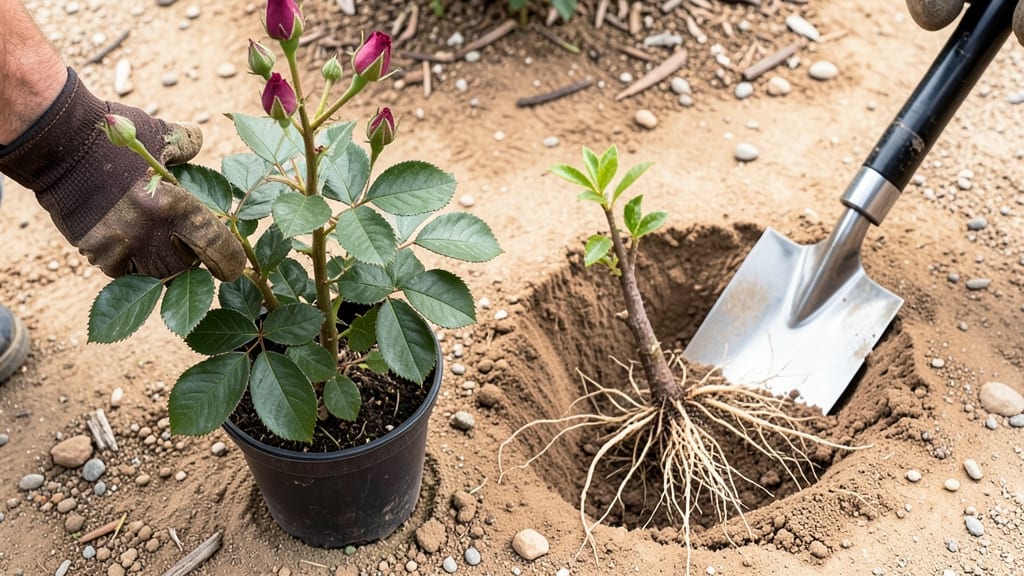
If you’ve ever dreamed of a backyard bursting with fragrant 🌹 roses but live in Arizona’s brutal summer heat, timing your planting is the key to success.
The best time to plant roses in Arizona isn’t what you’d expect—skipping spring’s scorching temperatures means cooler months hold the secret to thriving blooms.
Most gardeners assume spring is ideal, but Arizona’s 9b climate demands a smarter approach. Planting between November and February lets your roses establish roots before the desert turns into an oven. This isn’t just theory; it’s what local agricultural experts recommend for Phoenix, Tucson, and Flagstaff alike.
Why does this matter? Because roses planted in the wrong season struggle with heat stress, fungal diseases, and poor root development. When you get the timing right, you’ll see healthier plants, more vibrant blooms, and less maintenance—even in the desert’s dry air.
In this guide, I’ll break down the exact months to plant, how to prep your soil for Arizona’s alkaline conditions, and which rose varieties handle the heat best. Let’s get those roots growing the right way.
Optimal Arizona rose planting months: desert climate breakdown
Arizona’s USDA Zone 9b climate offers unique challenges for rose gardeners, with extreme summer heat and minimal frost risk shaping the best planting windows. Unlike temperate climates, Arizona’s monsoon season and desert microclimates create ideal conditions during cooler months when evaporation rates drop and roots can establish before summer’s intensity.
For bare-root roses, the optimal planting window spans from November through February, aligning with Arizona’s cooler, wetter months. This period provides 60-70°F soil temperatures, perfect for root development without the stress of 100°F+ summer heat.
In higher elevations like Flagstaff (Zone 7a), you can extend planting into early April to avoid late frosts.
Here’s how Arizona’s three distinct regions influence planting timing: Phoenix/Tucson (Zone 10a) benefits from November-January planting, while Prescott (Zone 7b) can plant until March. Yuma’s desert climate (Zone 10b) allows October-February planting due to its milder winters and intense summer heat.
🌹 Critical Timing Factors:
- Soil temperature below 70°F (use a soil thermometer)
- Rainfall patterns (monsoon season in July-August isn’t ideal)
- Day length (shorter days in winter reduce evaporation)
- Fungal risk (avoid planting when humidity spikes)
🌱 Arizona Rose Planting Timeline
| Region | Best Planting Window | Soil Temp Goal | Key Consideration |
|---|---|---|---|
| Phoenix/Tucson | November–January | 60–70°F | Avoid summer heat; use drip irrigation |
| Prescott/Flagstaff | October–March | 50–65°F | Watch for late frosts; mulch heavily |
| Yuma | October–February | 65–75°F | Extreme summer heat; plant early |
| ⚠️ Avoid planting in: April–September (risk of heat stress) | |||
If you miss the ideal window, March is a secondary option for container-grown roses, as they establish faster than bare-root. However, summer planting (June–August) is only recommended for shade-loving varieties like ‘Double Delight’ roses, which tolerate 105°F+ temperatures better than traditional types.
For container roses, timing shifts slightly: plant in February–March to give roots 4–6 weeks to establish before summer. Use self-watering pots to combat Arizona’s high evaporation rates, which can dry out containers in hours during peak heat.
💡 Pro Tip: Test your soil’s moisture retention before planting. Arizona’s alkaline soil (pH 7.5–8.5) drains too quickly—amend with compost and peat moss to improve water retention. Aim for 1–2 inches of water per week during establishment (November–March).
After planting, monitor for stress signs like yellowing leaves or wilting, which may indicate root rot from overwatering or heat shock. Mulch with 2–3 inches of wood chips to regulate soil temperature and reduce water loss.
In high-desert areas, add an extra inch of mulch to protect roots from temperature swings.
Remember: Arizona’s climate rewards patience. Roses planted in November often bloom by February, while those planted in March may wait until May. The key is root establishment before summer—not rushing the process.
With the right timing, your roses will reward you with continuous blooms from spring through fall.
Optimal Arizona rose planting months: desert climate breakdown
Arizona’s USDA Zone 9b climate offers a narrow window for rose planting, where timing directly impacts survival. The key is avoiding both extreme summer heat (100°F+) and unpredictable winter frosts (rare but possible in high desert areas).
Most gardeners agree: November through February is the sweet spot for planting bare-root roses, while container-grown roses can handle March planting if soil stays cool.
Phoenix and Tucson’s low desert regions have 300+ frost-free days, making winter the safest period. Meanwhile, Flagstaff’s high desert (Zone 7a) faces occasional 20°F nights, requiring even earlier planting (October) for cold-hardy varieties. The goal? Let roots establish before April’s scorching sun and monsoon humidity arrive.
🌹 Arizona Rose Planting Calendar
| Month | Best For | Soil Temp | Notes |
|---|---|---|---|
| October | High desert only | 50–60°F | Cold-hardy varieties; mulch heavily |
| November–February | Ideal window | 45–65°F | Bare-root roses; drip irrigation essential |
| March | Container roses only | 60–75°F | Avoid if soil >70°F; shade cloth helps |
| April–September | ❌ Avoid | 80°F+ | Root shock + heat stress = death |
For bare-root roses, the first two weeks of December is my top pick—cool temps and low humidity reduce fungal risks. Soak roots in water + mycorrhizal inoculant for 2 hours before planting, then water deeply. Container-grown roses can go in slightly later (January–February) since their roots are already established.
Pro tip: Plant on a cloudy day to minimize transplant shock.
Arizona’s monsoon season (July–September) brings sudden downpours, but planting during this time is risky. The heat stress from high daytime temps (105°F+) combined with high humidity creates perfect conditions for black spot disease.
If you must plant in summer, choose shade-tolerant varieties like ‘Iceberg’ and use drip irrigation with fungicide.
Don’t forget microclimate differences: Low desert areas (Phoenix, Scottsdale) can plant 2–3 weeks later than high desert (Prescott, Sedona). Check your local cooperative extension service for frost dates—some years, January frosts dip to 25°F in Flagstaff.
Hardiness matters: Knock Out roses (Zone 5–9) handle cold better than hybrid teas (Zone 7–10).
After planting, mulch with 3–4 inches of wood chips to retain moisture and regulate soil temps. For the first 6–8 weeks, water deeply every 3–5 days (1–2 gallons per plant).
Avoid overhead watering—drip irrigation keeps foliage dry and prevents fungal issues. With the right timing, your roses will bloom from spring to fall, defying Arizona’s desert reputation.