
Plants
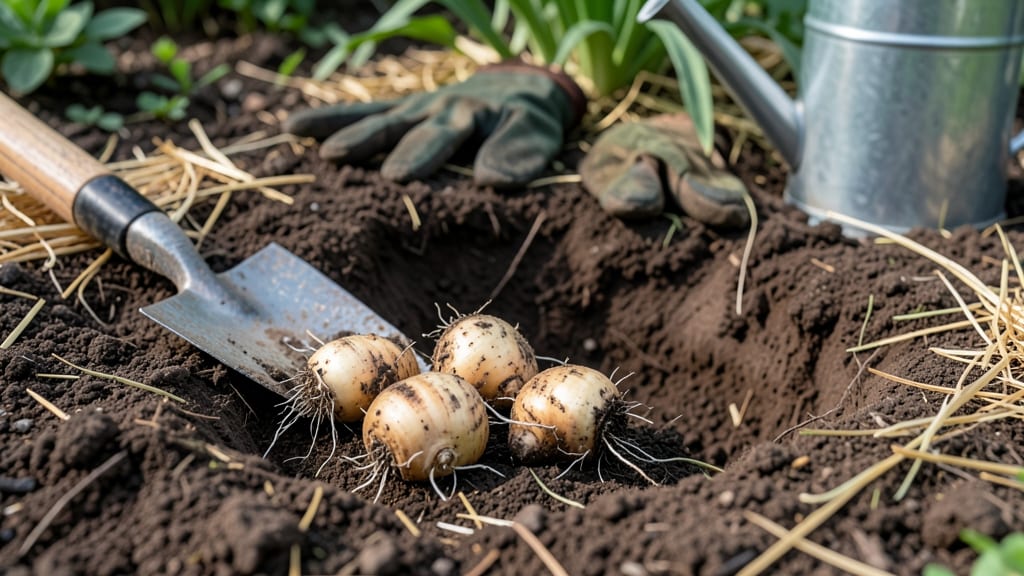
Planting your Daylily 🌸 bulbs at the wrong time in Zone 9 can mean the difference between vibrant blooms and struggling plants. The key to success lies in understanding the exact timing that works best for Southern California’s climate, where summer heat and winter mildness create unique challenges.
If you’ve ever wondered why some gardeners get lush, thriving Daylilies while others struggle, the answer often comes down to when they planted them.
In Zone 9, timing isn’t just about seasons—it’s about avoiding the brutal summer heat and making the most of the cooler months when roots can establish themselves without stress.
I’ll walk you through the perfect planting windows—whether you’re in the desert-like conditions of Arizona or the coastal areas of Southern California—and share pro tips to ensure your Daylilies take root and flourish.
Let’s get those bulbs in the ground at the right time for a stunning spring and summer display.
From soil prep to post-planting care, you’ll discover how to give your Daylilies the best possible start, so they can handle Zone 9’s extremes like a pro. Ready to transform your garden with heat-resistant varieties that bloom reliably year after year?
Best months to plant daylily bulbs in Zone 9: heat-resistant varieties explained
Daylilies are Zone 9 powerhouses, but timing is everything. Planting at the wrong time can leave your rhizomes (often mistaken for bulbs) struggling in the scorching heat or winter chill.
My exact strategy focuses on two ideal windows: early fall and late winter, both designed to help roots establish before extreme temperatures hit.
In Zone 9, we avoid the peak summer heat (June-August) and the coolest winter months (December-February). The goal? Give your daylilies a 3-4 month head start to grow strong roots before facing intense sun or cooler nights.
This is especially critical for heat-sensitive varieties like 'Happy Returns' or 'Café au Lait'.
Here’s the key: Soil temperature must be 60-70°F for planting. In Southern California, this typically aligns with October-November (fall) or February-March (spring). Let’s break down why these windows work best and how to pick the perfect heat-resistant varieties for your garden.
| Planting Window | Ideal Varieties | Soil Temp | Key Benefits |
|---|---|---|---|
| Early Fall (Oct-Nov) | 'Stella de Oro', 'Happy Returns', 'Café au Lait' | 60-70°F | Establishes roots before winter; blooms early next year |
| Late Winter (Feb-Mar) | 'Pardon Me', 'Gold Medal', 'Two Weeks Wonder' | 60-70°F | Avoids summer heat stress; extended bloom season |
| Avoid Summer (Jun-Aug) | N/A (High failure rate) | >85°F | Rhizomes rot or dry out; poor root establishment |
If you’re planting in fall, aim for October in most of Zone 9, but adjust for your local microclimate.
Coastal areas like San Diego can plant slightly later (early November), while inland desert regions like Phoenix should plant in September to beat the heat. Spring planting (February-March) is ideal for desert areas where winters are mild.
For heat-resistant varieties, I recommend starting with 'Stella de Oro'—it’s drought-tolerant, compact (12-18 inches tall), and blooms non-stop from spring to fall. Another top pick is 'Happy Returns', which reblooms reliably in Zone 9 heat.
Both thrive in full sun and well-draining soil, making them perfect for Southern California gardens.
Pro tip: Divide and replant established daylilies in fall (October) to give them a fresh start. This boosts blooms next year and prevents overcrowding. Just ensure your rhizomes are 2-4 inches deep and 12-18 inches apart for optimal growth.
One common mistake? Planting too late in spring (after April). By then, the heatwave is already setting in, and your daylilies will struggle to establish.
Always check your local frost dates—in Zone 9, we rarely see frost, but cooler nights (below 50°F) can still stress new plants.
Finally, mulch heavily after planting to retain moisture and regulate soil temperature. Use 3-4 inches of organic mulch (like straw or wood chips) to keep roots cool in summer and warm in winter. This simple step can double your success rate in Zone 9’s extreme climate.
Ready to plant? Grab your heat-resistant varieties, mark your October or February calendar, and prepare your soil. Your daylilies will thank you with vibrant blooms all season long! 🌸
Best months to plant daylily bulbs in Zone 9: heat-resistant varieties explained
Daylilies thrive in Zone 9’s warm climate, but timing is everything. Planting too early risks heat stress, while waiting too long can delay blooms. The ideal windows are early fall (October-November) or late winter (February-March), when soil temps drop below 85°F but stay above 60°F.
For Zone 9’s microclimates, I recommend heat-resistant varieties like 'Stella de Oro' (drought-tolerant) or 'Happy Returns' (reblooming). These cultivars handle intense sun and low water better than traditional types, making them perfect for Southern California’s summers.
🌱 Did You Know? Daylilies grow from rhizomes, not true bulbs. Plant them 2-4 inches deep with the crown exposed to prevent rot. Mulch afterward to retain moisture and regulate soil temperature.
| Planting Window | Soil Temp Range | Best Varieties | Key Advantage |
|---|---|---|---|
| Early Fall (Oct-Nov) | 60-75°F | 'Stella de Oro', 'Happy Returns' | Establishes roots before summer heat |
| Late Winter (Feb-Mar) | 55-65°F | 'Café Au Lait', 'Purple Smoke' | Blooms align with spring rains |
| Avoid: Summer (Jun-Aug) | Above 85°F | N/A | High transplant shock risk |
In desert areas (e.g., Phoenix), aim for September planting when nights cool to 70°F. Coastal Zone 9 (e.g., San Diego) can extend fall planting to December, thanks to milder winters. Always test soil moisture—daylilies hate soggy roots but need consistent water during establishment.
After planting, water deeply once weekly for the first 4 weeks to encourage root growth. Once established, reduce to bi-weekly watering. Mulch with 2-3 inches of straw or wood chips to lock in moisture and protect rhizomes from heat stress.
For container growing in Zone 9, use fast-draining mixes with perlite or sand. Plant in 12-inch pots with south-facing exposure and water every 5-7 days during summer. Dwarf varieties like 'Little Grapes' thrive in containers and add color to patios.
Pro tip: Divide daylily clumps every 3-4 years in early spring to rejuvenate growth. This prevents overcrowding and ensures vibrant blooms year after year. 🌸