
Plants
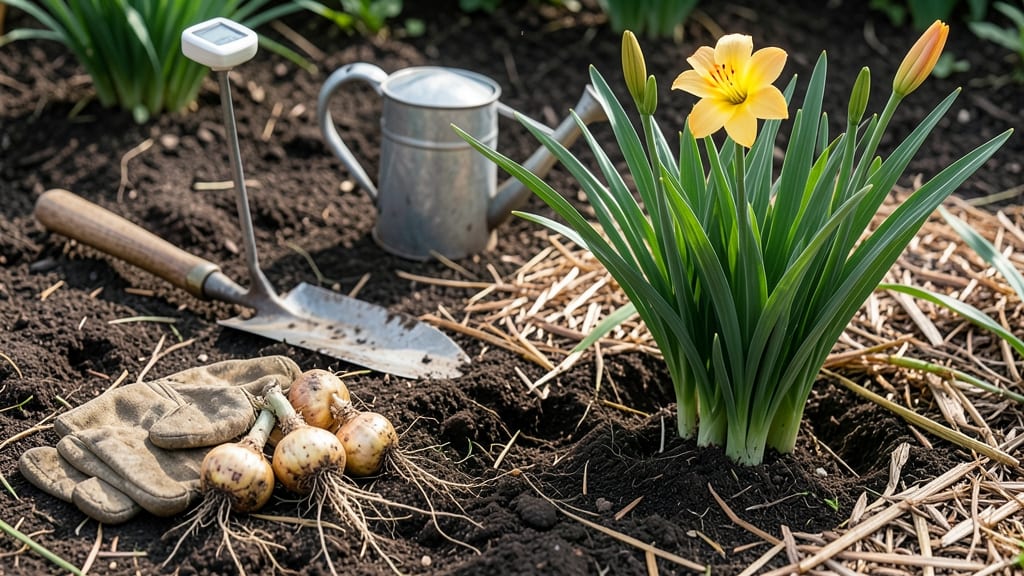
If you're dreaming of a garden bursting with vibrant 🌸 daylilies in Zone 8, when to plant the daylily bulbs in zone 8 could make all the difference between stunning blooms and struggling plants.
The secret to thriving daylilies lies in understanding when to plant those bulbs—because getting it wrong can leave your garden looking lackluster instead of lush.
Zone 8's mild winters and warm springs create a unique window for planting, but even here, early fall or spring are your best bets. Planting too late in summer risks stressing the bulbs, while waiting too long into winter can leave them vulnerable to cold snaps.
Let me show you exactly when to put those daylily bulbs in the ground for maximum success.
What you'll discover is how to align your planting schedule with Zone 8's frost-free timeline, ensuring your daylilies establish strong roots before summer heat sets in.
We'll also cover soil prep, spacing, and other key factors that make the difference between a mediocre garden and one that turns heads every season.
Whether you're a seasoned gardener or just starting out, these insights will help you avoid common mistakes and give your daylilies the perfect start. Let's get those bulbs in the ground at just the right time for a garden that truly shines.
Best months to plant daylily bulbs in Zone 8 for maximum blooms
Zone 8 gardeners enjoy a long growing season and mild winters, making it ideal for daylilies—but timing your planting is critical. The best windows are early spring (March–April) and early fall (September–October), when soil temperatures hover between 50°F and 65°F.
This range gives roots time to establish before summer heat or winter dormancy.
Planting in late winter (February) or late fall (November) is possible but riskier. Late winter bulbs may face late frosts, while late fall plantings might not root deeply enough before cold sets in. Always check your local last frost date (typically March 15 in Zone 8) to avoid surprises.
Daylilies thrive with 6+ hours of sunlight, so choose a spot with full sun exposure. In Zone 8, summer heat can stress new plantings, so early fall planting ensures roots anchor before temperatures rise.
For spring plantings, aim for 4–6 weeks before last frost to give roots a head start.
Here’s how Zone 8’s climate impacts planting:
| Planting Window | Ideal Soil Temp | Zone 8 Advantage | Key Consideration |
|---|---|---|---|
| Early Spring (March–April) | 50°F–65°F | Warm days, cool nights | Avoid late frosts (after March 15) |
| Early Fall (September–October) | 55°F–70°F | Cooler temps, fewer pests | Plant 4–6 weeks before first frost (Nov 15) |
| Late Winter (February) | 45°F–55°F | Soil may still be cold | Risk of frost damage; mulch heavily |
| Late Fall (November) | 50°F–60°F | Limited growing time | Roots may not establish before winter |
For reblooming varieties, early spring planting ensures stronger first-year blooms. In contrast, single-bloom types can handle late fall plantings better. Always test soil moisture before planting—daylilies hate soggy roots but need consistent moisture during establishment.
Pro tip: If you miss the ideal window, container planting extends your flexibility. Use well-draining pots and move them indoors if frost threatens. Just ensure they get full sun outdoors during the day.
Zone 8’s 210 frost-free days give daylilies ample time to thrive, but rushing planting can backfire. Prioritize root establishment over speed—healthy roots mean bigger blooms next season.
After planting, mulch with 2–3 inches of organic matter to retain moisture and regulate soil temperature. This is especially critical in summer’s heat, where mulch acts like a cooling blanket for roots.
Finally, avoid planting in extreme heat (above 85°F) or during prolonged rain. Both conditions stress bulbs and delay root growth. Monitor your garden’s microclimate—south-facing beds warm up faster than shaded areas.
Best months to plant daylily bulbs in Zone 8 for maximum blooms
Zone 8’s mild winters and long frost-free season create a perfect window for planting daylily bulbs—but timing matters. The ideal months are March–April (spring) and September–October (fall), aligning with soil temperatures and moisture levels for root establishment.
Spring planting lets bulbs establish roots before summer heat, while fall planting gives them time to root before winter dormancy. Avoid planting in late fall (November) or late winter (February), as soil may still be too cold or dry for successful growth.
Daylilies thrive when planted in 55–65°F soil, which occurs in Zone 8 by mid-March and again after mid-September. Check soil temps with a soil thermometer—planting too early in cold soil can cause rot.
🌸 Zone 8 Daylily Planting Timeline
| Season | Best Months | Soil Temp | Key Action |
|---|---|---|---|
| Spring | March–April | 55–65°F | Plant after last frost (March 15) |
| Fall | September–October | 60–70°F | Plant 4–6 weeks before first frost (Nov 15) |
| Avoid | November–February | Below 50°F | Risk of rot or poor root growth |
For reblooming varieties, spring planting ensures stronger first-year blooms, while fall planting may delay flowering until the second year. If you miss the ideal window, late summer (August) is a backup—just water deeply to help roots adjust.
Pro tip: In Zone 8’s heat, mulch newly planted bulbs with 2–3 inches of straw to retain moisture and regulate soil temperature. This is especially critical in April–May when evaporation spikes.
Remember, daylilies are hardy (USDA Zone 4–9), but Zone 8’s humidity can invite fungal issues if bulbs sit in soggy soil. Always plant in well-draining soil with 12–18 inches of spacing for airflow.