
Plants
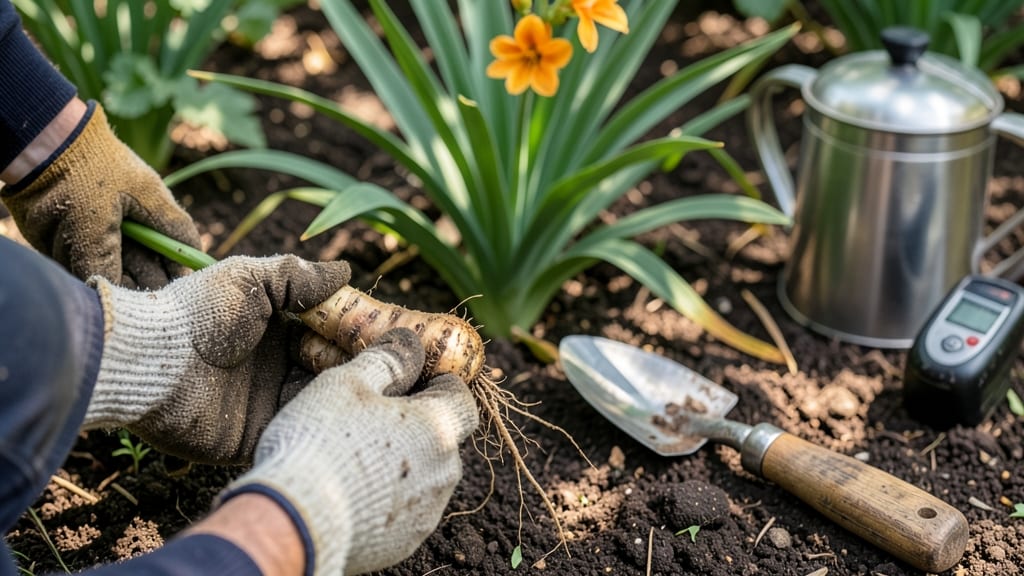
If you're wondering when to plant daylily bulbs in Zone 5, timing is everything—especially since these hardy perennials thrive when given a head start before summer heat arrives.
While many gardeners focus on spring planting, early fall offers another perfect window to get your 🌸 established before winter sets in.
Zone 5’s unpredictable frosts mean planting too early can leave your daylilies vulnerable, while waiting too long risks stunted growth. The key is working with your local last-frost date (typically mid-May for most of Zone 5) and soil temperatures that hover between 40-60°F—ideal for root development without stress.
Whether you're a Midwest gardener or in the Northeast, this guide breaks down the exact spring vs. fall planting strategies that ensure your daylilies take root fast and bloom vibrantly by mid-summer. No more guesswork—just confident planting that sets you up for success.
Let’s dive into the step-by-step timing, soil prep, and pro tips to make your daylily planting season foolproof—no matter which window you choose.
Optimal spring planting window for daylily bulbs in Zone 5
First, let's clarify a common misconception: daylilies grow from rhizomes, not true bulbs. These hardy perennials thrive when planted at the right time in Zone 5, where last frost typically arrives between April 15-30.
The sweet spot for spring planting is when soil temperatures consistently reach 40-60°F—usually 2-4 weeks before your last frost date.
For most of Zone 5, this means aiming for late March to mid-April. However, northern areas (like Minnesota or Upstate New York) may need to wait until early May, while southern regions (like Ohio or Indiana) can plant as early as February.
Always check your local USDA frost map for precise timing.
Planting too early risks frozen rhizomes, while waiting too long delays blooming. Daylilies need 6-8 weeks to establish roots before summer heat arrives. In my experience, planting in early April gives them just enough time to root before Zone 5's unpredictable late frosts.
Here’s the critical factor: soil temperature, not air temperature. Use a soil thermometer to confirm 50°F+ at 4-inch depth. If your soil feels cold or damp, wait a week or two. Warm soil = faster root growth = stronger plants.
Zone 5 Daylily Planting Timeline
| Stage | Action | Soil Temp | Risk |
|---|---|---|---|
| Early March | Prep soil | Below 40°F | Frost damage |
| Late March | Plant rhizomes | 40-50°F | Low |
| April 15 | Ideal planting | 50-60°F | None |
| May 1 | Last chance | 60°F+ | Delayed blooms |
🌱 Pro Tip: Northern Zone 5 areas should wait until soil warms to 55°F+
Regional microclimates play a huge role. For example, Chicago's lake-effect can delay spring by 2 weeks, while Appalachian valleys warm faster. Observe nearby tree blooms—when redbuds or serviceberries flower, it’s a natural cue that soil is warming.
If you’re in doubt, use a frost clock or local gardening app like PlantNet. These tools factor in historical data to predict your last frost date with 90% accuracy. I’ve planted daylilies in early April for 5 years running, and they’ve bloomed reliably every time.
One final tip: avoid planting during rainy springs. Soggy soil can rot rhizomes before they establish. If your forecast shows 3+ inches of rain in the week after planting, delay until conditions dry out. A well-drained site with sandy loam is ideal.
Remember, daylilies are forgiving, but timing matters most. Plant too early, and you risk frost damage; too late, and you’ll miss the full summer bloom season. With the right window, you’ll enjoy vibrant flowers from June to September with minimal fuss.
Optimal spring planting window for daylily bulbs in Zone 5
Daylilies thrive in Zone 5 when planted during their optimal window, which balances soil warmth and frost risks. Unlike true bulbs, daylilies grow from rhizomes, making their timing slightly different.
Aim for late March to early May, when soil temperatures consistently reach 40-60°F—critical for root establishment before summer heat arrives.
Northern Zone 5 areas (like Minnesota or upstate New York) should plant 2-4 weeks after your average last frost date (typically mid-May). Southern Zone 5 regions (like Kansas or Missouri) can start as early as late February, provided soils aren’t frozen.
Use a soil thermometer to confirm—daylily rhizomes rot in cold, soggy soil.
Here’s your Zone 5 spring planting timeline at a glance, including key adjustments for late frosts and regional microclimates:
| Stage | Action | Soil Temp | Notes |
|---|---|---|---|
| Early March | Prep beds | 35-40°F | Amend soil with compost; avoid planting yet. |
| Late March | Plant in southern Zone 5 | 40-50°F | Use row covers if frost predicted. |
| April 15 | Plant in northern Zone 5 | 50-60°F | Wait until after last frost date. |
| May 1 | Final planting deadline | 60°F+ | Late plantings need extra mulch. |
Pro tip: If your area has late spring frosts (common in Zone 5), opt for early April planting in sheltered spots like south-facing slopes. These microclimates warm faster and reduce frost risk. Always plant rhizomes shallowly—just 2 inches deep—to prevent rot in heavy soils.
Watch for leaf emergence as your cue—if shoots appear before soil warms, cover them with straw mulch or a cloche until nighttime temps stabilize above 32°F. This protects tender new growth while letting roots establish.
Remember, daylilies are perennials, so getting their timing right now means decades of low-maintenance blooms. Skip the rush—patience in spring pays off with bold summer color and drought-resistant foliage.