
Plants
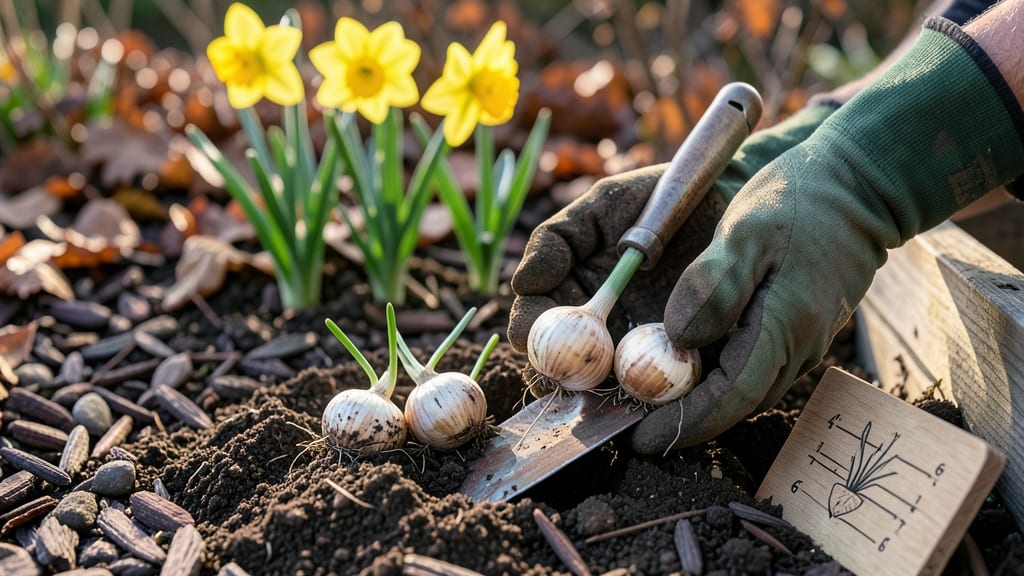
Planting daffodils in Virginia at the wrong time could mean frost-killed bulbs before they even sprout—but timing it right guarantees those cheerful 🌼 blooms will burst through next spring like clockwork.
The key isn't just memorizing months; it's reading your local microclimate, soil temps, and Virginia's famously fickle frost dates that shift from the Shenandoah Valley to Hampton Roads.
Most gardeners in USDA zones 7a-7b swear by late fall planting (October-November), but there's a sweet spot between soil cooling to 60°F and the first hard frost—usually around mid-November. Plant too early, and your bulbs might rot; too late, and they won't root before winter sets in.
What sets Virginia apart is its regional variations—mountain areas freeze sooner than coastal zones, so I'll show you how to adjust your calendar whether you're in Charlottesville or Norfolk.
Plus, I'll share the pro tips that keep daffodils thriving through our unpredictable winters, from mulching strategies to bulb depth secrets.
Ready to transform your yard into an early spring explosion of color? Let's dive into the exact planting window, soil prep steps, and frost-proofing tricks that'll have your daffodils outshining the neighbors by March.
Virginia’s ideal daffodil planting windows by region (frost-Zone guide)
Virginia’s 5 USDA frost zones (6a-7b) create dramatic differences in daffodil planting success. In Zone 6a (e.g., Shenandoah Valley), daffodils need earlier fall planting to establish roots before hard freezes, while Zone 7b (e.g., Hampton Roads) allows later windows thanks to milder winters.
Local microclimates—like urban heat islands or mountain slopes—can shift ideal dates by 2-3 weeks.
Most Virginia gardeners target October through mid-November for fall planting, but late winter (February) is a backup option if you missed the fall window. The key is planting when soil temps hit 60°F—daffodil bulbs need this warmth to sprout roots before dormancy.
Use a soil thermometer to avoid guessing, especially in clay-heavy soils that cool faster.
Here’s how Virginia’s regions break down for zero-frost survival:
| Region | USDA Zone | Ideal Planting Window | Backup Window | Key Risk |
|---|---|---|---|---|
| Shenandoah Valley | 6a | Mid-September to October 15 | Early February | Early frost (Nov 1) |
| Central Virginia (Richmond) | 7a | October 1 to November 1 | Mid-February | Late frost (Nov 15) |
| Tidewater (Norfolk) | 7b | October 15 to November 15 | Late February | Mild winters (rare frost) |
| New River Valley | 6b | Late September to October 10 | Early February | Mountain frost pockets |
| Northern Neck | 7a | October 1 to November 1 | Mid-February | Coastal humidity |
For late winter planting, aim for February 1–15 when soil temps rebound to 50°F+. This works best in Zone 7b, but in Zone 6a, bulbs may struggle to bloom the first year.
If you choose this route, mulch heavily (3–4 inches) to insulate roots during unpredictable spring freezes.
Pro tip: Use local frost date apps like Almanac’s Frost Calculator to input your ZIP code. For example, Roanoke’s average first frost is November 5, while Williamsburg’s is November 20—a 2-week difference that matters for daffodil survival.
Plant 6 weeks before your area’s first frost date for 90%+ success.
If you’re in a transition zone (e.g., Zone 6b/7a like Charlottesville), split your planting: 60% in October and 40% in February to hedge against frost risks.
This two-phase approach ensures blooms even if one batch fails. Just remember: February-planted bulbs need extra mulch to prevent frost heaving in Virginia’s clay-heavy soils.
For container gardening in Virginia, plant daffodils in October–November regardless of zone. Containers freeze faster, so use insulated planters or move pots to protected spots (e.g., against south-facing walls) during winter. In Zone 6a, consider heating cables for high-value bulbs like ‘Ice Follies’ or ‘Thunderbolt’ varieties.
One common mistake? Planting too late in November when soils are already chilly. Test with your
How to time daffodil planting for maximum bloom success (soil temp + frost math)
Daffodils thrive when planted at the right soil temperature, not just calendar date. In Virginia, aim for 60°F soil—this triggers root growth before winter sets in. Use a soil thermometer ($10 at garden centers) to check depths of 4-6 inches, where bulbs will nestle.
Most Virginia gardeners plant between October 15 and November 15, but this shifts 1-2 weeks based on your USDA zone. For example, Zone 6a (mountains) needs earlier planting, while Zone 7b (coastal) can wait until late November. Always plant 4-6 weeks before your area’s first hard frost.
Here’s the key math: Daffodils need 6-8 weeks to establish roots before freezing. If your frost date is November 15, plant by October 1. Use your local CoCoRaHS station data (free online) to track frost trends—Virginia’s dates vary ±10 days yearly.
🌱 Daffodil Planting Calculator
Step 1: Find your first frost date (e.g., Nov 15). Step 2: Subtract 6-8 weeks (plant by Oct 1). Step 3: Verify soil temp is 60°F+ at planting.
Pro Tip: Use mulch (3-4 inches) after planting to insulate bulbs—this buys 2 extra weeks before frost.
For late winters, you can also plant daffodils in January-February (after ground thaws), but blooms may arrive 2-3 weeks later. This works best in Zone 7b where winters are milder. Test a few bulbs this way—you might discover your microclimate’s sweet spot!
Watch for soil moisture too. Plant in well-draining soil—Virginia’s clay-heavy areas (like Richmond) need sand or compost mixed in. Water deeply after planting, then reduce irrigation until spring rains return. Overwatering in winter can drown bulbs.
Remember: Daffodils planted in fall bloom the following spring, while winter plantings may not flower until year two. Plan ahead for continuous color by staggering plantings—some bulbs in October, others in January.