
Plants
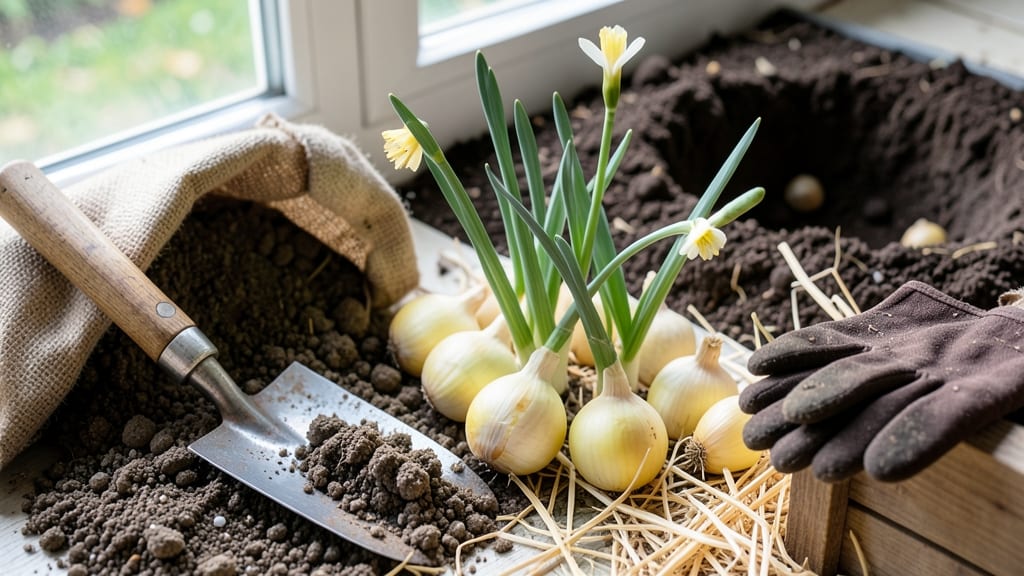
Timing your daffodil planting in NC could mean the difference between a vibrant spring display and bulbs that never bloom. With North Carolina’s diverse climate zones—from the coastal plains to the mountains—getting the window right is key to surviving winter and thriving in early spring.
Most gardeners in USDA Zones 6a-8b know the golden rule: plant daffodils in fall, but the exact timing matters. Too early, and bulbs may rot; too late, and they won’t establish roots before frost.
I’ll break down the best months for your specific region, plus how to prep soil for those chill-resistant varieties that NC gardeners love.
Why does this matter? Because daffodils planted at the right time in October or November will reward you with bold, early blooms that beat back winter blues. We’ll also cover how microclimates—like sheltered spots or shady corners—can shift your ideal planting date by weeks.
Ready to set your garden up for next spring’s showstopper blooms? Let’s dive into the exact steps, from soil prep to bulb depth, so your 🌼 daffodils come back stronger every year.
Best planting windows for daffodils in North Carolina by region
North Carolina’s diverse climate—from the warm coastal plains to the cooler mountain regions—means daffodil planting windows vary dramatically. To ensure vibrant spring blooms, aim to plant bulbs 4-6 weeks before the first frost, but adjust timing based on your specific zone.
Coastal areas (Zone 8a) have later frost dates, while the mountains (Zone 6a) freeze earlier.
The ideal planting window for most of NC falls between mid-October and mid-November. However, early planting in September works for Zone 8b (southern NC), while December planting is risky in Zone 6a (mountains). Soil temperatures below 50°F (10°C) signal it’s time to plant—use a soil thermometer for precision.
Here’s how to match your region’s climate to the perfect planting window:
| Region | USDA Zone | Best Planting Window | Soil Temp Threshold | Notes |
|---|---|---|---|---|
| Coastal Plains | 8a-8b | Late Oct - Early Dec | 50-60°F (10-15°C) | Longer growing season; plant later |
| Piedmont | 7a-7b | Mid-Oct - Mid-Nov | 45-55°F (7-13°C) | Moderate climate; standard window |
| Mountains | 6a-6b | Early Oct - Early Nov | 40-50°F (4-10°C) | Earlier frost; plant sooner |
For coastal NC gardeners, late October through early December works best. The mild winters here mean bulbs can establish roots later, but avoid planting after December 1st—frost-sensitive varieties may not survive. In the Piedmont region, stick to mid-October through mid-November for optimal results.
The mountain regions demand urgency: plant by early November to avoid winter freezes. Use a soil thermometer to confirm temperatures are consistently below 60°F (15°C) before covering bulbs with mulch. This protects them from late-season temperature swings that can damage emerging shoots.
Pro tip: If you miss the ideal window, plant in early December only in Zones 8a-8b. Use extra mulch (3-4 inches) and choose chill-resistant varieties like ‘Ice Follies’ or ‘Tête-à-Tête’ for better survival rates.
Soil preparation is just as critical as timing. Work in compost or aged manure to improve drainage—daffodils hate soggy soil. Test your soil’s pH (aim for 6.0-7.0) and amend with lime if needed. Well-draining soil prevents bulb rot, especially in NC’s clay-heavy soils.
After planting, water deeply to settle soil around bulbs. Avoid overwatering, which can cause bulb rot. A light mulch layer (2 inches) helps regulate soil temperature and retain moisture without suffocating the bulbs.
Timing your planting correctly ensures earlier and more abundant blooms next spring. In NC, daffodils planted in the optimal window often bloom 2-3 weeks earlier than those planted late or in poor conditions. For maximum impact, combine the right timing with chill-resistant varieties tailored to your microclimate.
🌱
Top 5 chill-resistant daffodil varieties for NC gardens
North Carolina’s Zone 7-8 climate demands daffodils that thrive in mild winters and hot summers. These chill-resistant varieties deliver vibrant blooms while withstanding NC’s unpredictable springs. My top picks focus on early bloomers, disease resistance, and multiplier bulbs that naturalize beautifully.
For early spring color, try 'Tête-à-Tête'—a dwarf variety that blooms 3-4 weeks earlier than standard daffodils. Its yellow trumpets and white petals stand out against frost. This multiplier bulb spreads quickly, creating dense clusters over time, perfect for rock gardens or container plantings.
🌼 Visual Guide: Best Daffodil Varieties for NC Gardens
| Variety | Height | Bloom Time | Color | Key Feature |
| 'Tête-à-Tête' | 6-8" | Early Spring | Yellow/White | Multiplier bulb |
| 'Ice Follies' | 12-18" | Mid-Spring | Pure White | Fragrant |
| 'Minnow' | 8-10" | Early Spring | Yellow | Disease-resistant |
| 'Thalia' | 18-24" | Late Spring | Orange/White | Tall & striking |
| 'Carlton' | 16-20" | Mid-Spring | Yellow/Red | Multiplier |
'Ice Follies' is my go-to for elegant white blooms that resist squirrel damage—a common issue in NC gardens. Its fragrant petals add a subtle sweetness to spring air, and it thrives in part shade, making it ideal for woodland gardens or understory plantings.
If you want bold color, 'Thalia' delivers vibrant orange trumpets with white petals. This late-blooming variety ensures extended season interest and stands tall at 18-24 inches, perfect for back-of-border plantings or cut flower arrangements.
For low-maintenance gardens, 'Carlton' is a multiplier bulb with striking yellow-and-red blooms. It naturalizes effortlessly and reblooms reliably in NC’s climate. Pair it with 'Minnow' for a disease-resistant combo that thrives in heat and humidity.
When selecting varieties, prioritize multiplier bulbs for long-term garden impact and early bloomers to beat late frosts. My top 5 picks ensure vibrant spring color while minimizing maintenance in NC’s challenging climate. 🌼