
Plants
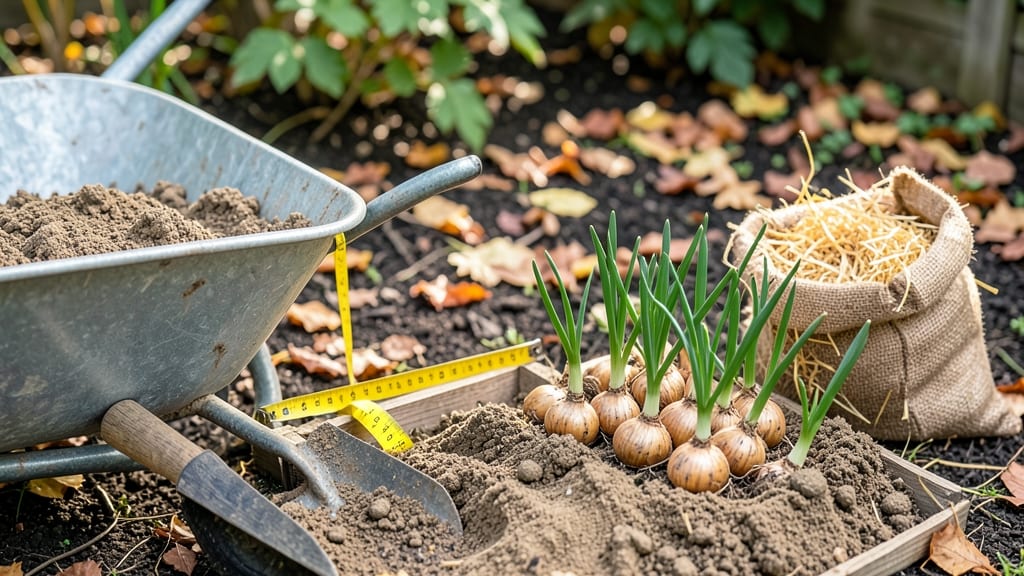
Timing your daffodil bulbs in Massachusetts could make or break your spring garden—plant too early, and they’ll rot; too late, and frost will kill them before they take root.
The 4-week window between October and November is your golden opportunity, but local microclimates (like coastal vs. inland zones) add extra complexity.
I’ve planted 🌼 daffodils in Massachusetts for years, and the difference between a thriving display and a failed attempt often comes down to one critical factor: soil temperature.
If you miss the sweet spot—when the ground cools to 50°F but before the first hard frost—your bulbs won’t establish roots deep enough to survive winter.
Don’t worry, though—this guide breaks down the exact dates for your USDA Zone (5b-6b), how to adjust for early frosts, and the 3 soil prep steps that’ll give your daffodils the best shot at blooming next spring.
Whether you’re a first-time planter or a veteran gardener, these tips will help you avoid common mistakes and get the most vibrant 🌼 display possible.
Ready to plant with confidence? Let’s dive into the fall timing secrets that’ll ensure your daffodils beat the frost and burst into color by April.
Massachusetts daffodil planting calendar: exact fall dates by Zone
Massachusetts gardeners face a 4-week planting window for daffodil bulbs, but timing varies by USDA Zones 5b-6b. The key is planting 4-6 weeks before ground freeze, typically between mid-October and late November.
In western MA (Zone 6b), you can plant as late as November 15, while eastern MA (Zone 5b) demands earlier action by October 20.
Use soil temperature as your guide: bulbs need 60°F soil for root growth. In Massachusetts, this usually occurs by mid-October, but check your local frost date—some inland areas freeze by November 1, while coastal regions stay warmer until November 15.
Here’s how to adjust: if your area has early frosts, plant by October 15; for late frosts, extend until November 15. Always aim for 6-8 weeks of root growth before winter.
⚠️ Pro Tip: Use a soil thermometer—plant when temps drop to 50-60°F. This ensures roots establish before consistent freezing.
Massachusetts Daffodil Planting Timeline
| Zone | Ideal Planting Window | Soil Temp | Frost Risk |
|---|---|---|---|
| 5b (Eastern MA) | Oct 15–Nov 1 | 50–60°F | High (Nov 1) |
| 6a (Central MA) | Oct 20–Nov 10 | 55–65°F | Moderate (Nov 10) |
| 6b (Western MA) | Oct 25–Nov 15 | 60–70°F | Low (Nov 15) |
*Adjust 1–2 weeks earlier for high-altitude areas (e.g., Berkshires).
Missed the fall window? You can plant in early spring (March–April) for same-year blooms, but bulbs need 12+ weeks to establish roots. Spring planting yields smaller flowers and is riskier in Massachusetts’ variable spring weather.
For coastal gardeners, extend planting until November 20—warmer ocean breezes delay frosts. Inland areas (e.g., Worcester, Springfield) should finish by November 1 to avoid soil freezing.
Mark your calendar: October 15–November 15 is your sweet spot. Plant too early, and roots may overgrow before winter. Plant too late, and bulbs won’t establish roots before frost—both lead to failed blooms next spring.
Use a planting depth guide: dig holes 3x deeper than the bulb’s height (typically 6–8 inches). In clay-heavy MA soils, add sand or compost to improve drainage and prevent rot.
🌼 Key Takeaway: Zone 5b = plant by Oct 20; Zone 6b = plant by Nov 15. Always prioritize soil temperature over calendar dates!
Critical fall prep steps to ensure daffodil bulbs survive Massachusetts winters
Massachusetts’ clay-heavy soils and freeze-thaw cycles demand extra prep before planting daffodil bulbs. Skipping these steps often leads to rot or frost damage, so let’s tackle them one by one. Start by testing your soil’s drainage and pH—daffodils thrive in 6.0-7.0 pH and well-draining soil.
If your garden soil is compacted or waterlogged, mix in 2-3 inches of compost or sand to improve aeration. This is especially critical in low-lying areas where water pools after rain. For heavy clay soils, consider planting in raised beds or mounds to prevent bulb rot.
- Planting too shallow (<3x bulb height) exposes bulbs to frost heave.
- Overwatering after planting drowns bulbs before roots establish.
- Skipping mulch leaves bulbs vulnerable to freeze-thaw cycles.
Next, plant bulbs 6-8 inches deep in USDA Zones 5b-6b, which covers most of Massachusetts. Use a bulb planter or your finger to create holes—this prevents soil compaction around the bulbs. For coastal areas (like Cape Cod), plant slightly deeper (8 inches) to protect against salt spray.
After planting, water deeply once to settle the soil, then stop watering until spring. The goal is to encourage root growth before dormancy, not soggy soil. Once the ground freezes, add 3-4 inches of mulch (straw or shredded leaves) to insulate bulbs.
This extra layer is non-negotiable in Zone 5b areas like Worcester or Springfield.
Finally, mark your planting spots with biodegradable flags to avoid disturbing bulbs next spring. Daffodils need 6-8 weeks of root establishment before winter, so don’t wait until the last minute—aim for late October in most regions. For early frosts (like in the Berkshires), plant by mid-October.
With these steps, your daffodils will bloom reliably for years, even through Massachusetts’ harsh winters. The key? Prep now, forget until spring—your future self will thank you when those cheerful yellow trumpets pop up in April! 🌼