
Plants
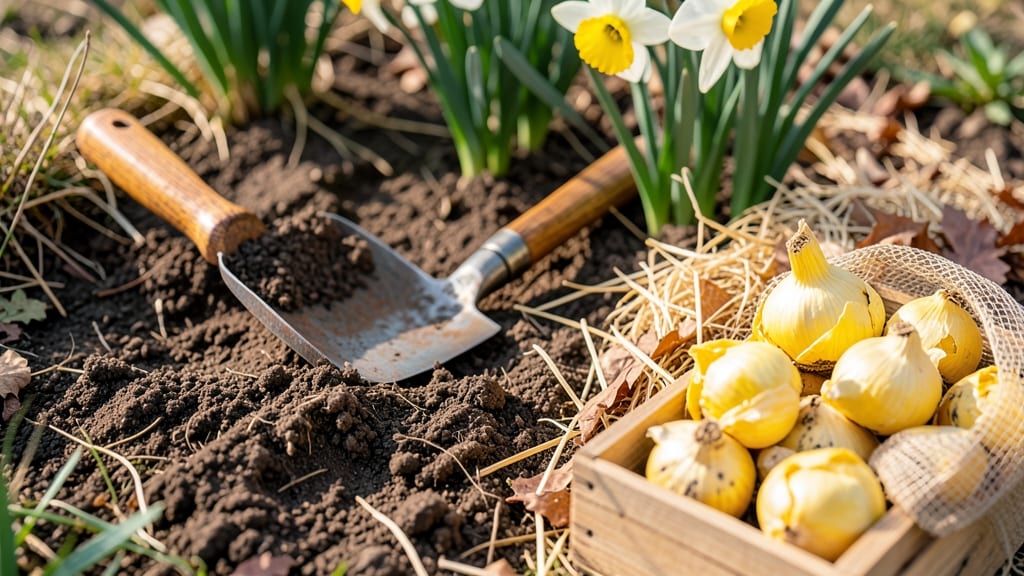
Planting daffodil bulbs in Alabama at the wrong time can mean the difference between a stunning spring display and wasted effort. With Alabama’s unpredictable frost dates and varying USDA zones 7a-8b, timing is everything—especially since those 🌼 blooms need a strong start before winter sets in.
Most gardeners assume "fall planting" means a broad window, but Alabama’s climate demands precision. Plant too early, and bulbs may sprout before winter; too late, and frost locks them out of rooting.
The ideal window runs from October through December, but your exact deadline depends on whether you’re in Birmingham’s cooler pockets or Mobile’s milder coastal areas.
Here’s what you’ll discover: the exact 6-week window for your region, how to prep Alabama’s heavy clay soil, and the 5 signs you’ve missed the boat. Skip the guesswork—because in Alabama, getting daffodils right means planting smart, not just planting early.
Let’s break down the steps so your bulbs thrive, not just survive, through Alabama’s winter. Ready to plant with confidence? Let’s go.
Alabama’s ideal daffodil planting window: fall deadlines by region
Alabama’s three distinct frost zones mean your daffodil planting window varies by location. In North Alabama (USDA Zone 7a), like Huntsville, the ground freezes as early as mid-November, while South Alabama (Zone 8b), like Mobile, can plant until mid-December.
Central Alabama (Zone 7b-8a) falls right in the middle, with a 6-week window from late October to early December. The key? Plant 6-8 weeks before frost—that’s your golden ticket to spring blooms.
Miss this window, and your bulbs may rot in soggy soil or freeze before establishing roots. The Alabama Cooperative Extension System recommends checking your local first frost date—then count backward.
For example, if frost hits Birmingham on November 15th, aim to plant by late September to early October. Use this rule of thumb: October = safest, November = last chance, and December = risky unless you’re in Zone 8b.
Here’s the breakdown by region, including critical last-chance dates and soil temperature thresholds (bulbs need 60°F soil to root).
| Region | USDA Zone | Ideal Planting Window | Last-Chance Date | Soil Temp Threshold |
|---|---|---|---|---|
| North Alabama | 7a | Late September - Mid-November | November 15 | 60°F (roots establish before freeze) |
| Central Alabama | 7b-8a | October - Early December | December 1 | 60°F (soil stays workable longer) |
| South Alabama | 8b | October - Mid-December | December 15 | 55°F (milder winters allow later planting) |
Pro tip: Check the Alabama Weather Network for real-time soil temperature updates. If your soil is below 50°F, wait—cold soil slows root growth, and bulbs can rot.
For North Alabama gardeners, this often means delaying until mid-October even if the calendar says October 1st. Patience here pays off with healthier blooms next spring.
Don’t overlook microclimates in your yard. Spots near stone walls or south-facing slopes stay warmer and may extend your planting window by 1-2 weeks. Conversely, low-lying areas freeze faster—plant these spots first. Use a soil thermometer ($10 at garden centers) to test multiple areas before committing.
If you’re in Zone 8b (South Alabama), you can push the envelope and plant into early January, but only if your soil hasn’t frozen. The trade-off?
Bulbs planted in December-January may bloom 2-3 weeks later than those planted in October. For show-stopping early spring color, stick to the October-November window.
One common mistake? Planting too early in September. While possible, daffodil bulbs need cool soil (below 70°F) to trigger root growth. Planting in late August or September can cause bulbs to sprout prematurely, leaving them vulnerable to summer pests or drought.
Save early planting for tulips or crocuses, which handle heat better.
For container gardening, the rules shift slightly. Potted daffodils can be planted 2 weeks later than in-ground bulbs because containers retain heat longer. However, move pots to a protected location (garage, shed) if frost threatens before roots establish.
Just remember: containers dry out faster, so water deeply every 5-7 days until soil freezes.
Finally, mark your calendar for March 15th—Alabama’s average last frost date. This is when your daffodils will push through the soil, but don’t be surprised if late bloomers appear as late as April, especially in North Alabama.
The earlier you plant, the sooner you’ll enjoy those cheerful yellow trumpets brightening up gray Alabama winters.
How to prepare Alabama soil for daffodil bulbs (before planting)
Alabama’s clay-heavy soil can be a daffodil’s worst nightmare—unless you prep it right. Daffodils thrive in well-draining, slightly acidic soil (pH 6.0-7.0), but most Alabama gardens need adjustments.
Start by testing your soil’s pH with a home test kit or send a sample to your local Alabama Cooperative Extension office. If your soil tests too alkaline, mix in sulfur or peat moss to lower the pH gradually.
Next, focus on improving drainage. Daffodils hate soggy roots, and Alabama’s winter rains can turn gardens into mud pits. Amend heavy clay soil with compost or coarse sand (like builder’s sand) to create air pockets.
Aim for a 20-30% organic matter mix—this also feeds beneficial microbes that bulbs love. For existing gardens, dig a 6-inch-deep trench around planting areas and fill it with compost before backfilling.
Don’t forget to remove rocks and debris before planting. Daffodil bulbs need direct contact with soil to establish roots, and Alabama’s rocky terrain can create air gaps. If your yard has thatch buildup (common in warm-season grasses), dethatch with a raking motion before amending.
For containers, use a lightweight potting mix with perlite to prevent compaction.
Timing matters too! Prep soil 2-3 weeks before planting (late September for North Alabama, early November for South). This gives amendments time to settle and microbes time to colonize. Avoid working wet soil—Alabama’s autumn rains can turn your garden into a quagmire.
Test soil moisture by squeezing a handful: if it holds a shape but crumbles when dropped, it’s ready for bulbs.
Finally, add a slow-release fertilizer like 10-10-10 at planting time. Daffodils are light feeders, but Alabama’s nutrient-poor clay benefits from a boost of phosphorus (the middle number) to encourage strong root growth.
Mix it into the bottom of planting holes—this prevents burning tender bulb roots. Water deeply after planting to settle soil around bulbs and eliminate air pockets.
With soil prepped this way, your daffodils will bloom reliably for years, even in Alabama’s unpredictable climate. The key? Drainage + organic matter = happy bulbs. Now grab your gloves—your spring color show starts in the fall! 🌼