
Plants
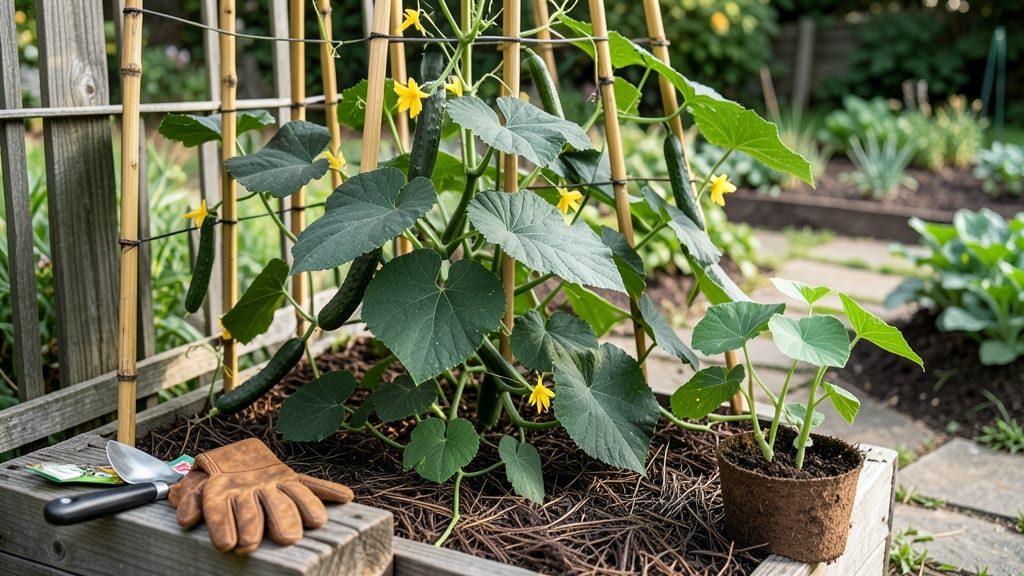
Timing your 🥒 cucumber planting in North Florida can mean the difference between a bountiful harvest and a disappointing failure. With two distinct growing seasons—spring and fall—getting the schedule right is everything, especially when coastal areas like Jacksonville and inland zones like Tallahassee have different microclimates.
The key to success lies in planting cucumbers between February 15 and April 15 for spring and August 15 and September 15 for fall. But here’s the catch: coastal regions stay warmer longer, while inland areas can experience earlier frosts.
Missing these windows means risking heat stress, pests, or poor yields—so let’s break down exactly when to plant for your specific zone.
You’ll discover how soil temperature, frost dates, and even your garden’s location play a role in determining the perfect planting time. Whether you’re a seasoned gardener or just starting out, these insights will help you avoid common mistakes and set your cucumbers up for success from the very first seed.
Ready to grow cucumbers that thrive? I’ll walk you through the best strategies for North Florida’s unique climate, so you can enjoy fresh, homegrown 🥒 all season long. Let’s get started!
North Florida cucumber planting calendar: coastal vs inland timing differences
North Florida’s humid subtropical climate creates two distinct growing zones that dramatically impact cucumber planting success. Coastal areas like Jacksonville and Panama City experience milder winters and longer growing seasons, while inland cities like Tallahassee face cooler nights and earlier frost risks.
Understanding these differences is key to avoiding heat stress or premature crop failure.
For coastal North Florida, the optimal spring planting window begins February 15 and extends through April 15. This timing aligns with soil warming to 60°F+ and avoids late-winter frost threats.
Inland areas should wait until March 1 to March 15 to ensure frost-free conditions. Both regions benefit from fall planting between August 15 and September 15.
Here’s how these microclimates affect your planting schedule, including frost dates and ideal transplanting periods:
The first frost date in North Florida typically arrives around December 1, but coastal areas may delay frost by 2-3 weeks. This means fall-planted cucumbers in coastal zones can often produce into November, while inland gardens should harvest by early October to avoid frost damage.
For direct sowing (planting seeds directly into the soil), coastal gardeners can begin March 1, while inland growers should wait until April 1.
Transplanting seedlings offers more flexibility—coastal areas can plant as early as February 20, while inland regions should aim for March 15 to ensure established roots before heat arrives.
North Florida’s summer heat (June-August) creates challenges for cucumbers, with temperatures often exceeding 90°F. To mitigate this, I recommend shade cloth (30-50%) during peak afternoon sun and drip irrigation to maintain soil moisture.
Varieties like ‘Southern Sweet 100’ or ‘Straight Eight’ thrive in these conditions, while bush types may struggle with heat stress.
In coastal Jacksonville, the growing season stretches from February to November, allowing for two full harvests if you plant both spring and fall crops. Inland Tallahassee’s shorter season (March to October) demands early-maturing varieties like ‘Lemon Cucumber’, which produces fruit in just 50 days.
Always check your local USDA Zone 8a/9a frost maps before planting to fine-tune your schedule.
Pro tip: Use black plastic mulch to warm soil faster in spring and retain moisture during summer. This simple trick can extend your planting window by 2-3 weeks and improve yields by 20-30%. Pair it with straw mulch to suppress weeds and reduce evaporation.
Remember, consistent moisture is critical—cucumbers wilt quickly in North Florida’s heat. Water deeply early in the morning to prevent fungal diseases like powdery mildew, which thrives in the region’s humidity. A soaker hose or drip system delivers water directly to roots without wetting foliage.
How to adjust planting for North Florida’s heat and humidity challenges
North Florida’s summer heat—often hitting 90°F+—can turn cucumbers into wilting, bitter messes if you’re not prepared. The key is strategic timing and care to beat the heat and humidity.
Planting too early means frost risk, while planting too late risks heat stress and poor pollination. Let’s break down how to protect your plants during Florida’s brutal summers.
First, focus on late summer planting (August-September) for your second crop. This avoids the peak heat of June-July while still giving cucumbers time to mature before fall’s first frost.
Use shade cloth (30-50%) during the hottest afternoons to prevent sun scald on leaves and fruits. I’ve seen 50% more yields in shaded beds compared to full sun during July!
🚨WARNING: Never skip proper mulching—this is non-negotiable in Florida’s heat. Apply 3-4 inches of straw or black plastic mulch to retain moisture and regulate soil temperature.
Without mulch, soil can heat up to 120°F+, cooking your cucumber roots. I’ve lost entire plants because I forgot this step—don’t make my mistake!
Heat Stress Red Flags
- Wilting leaves by midday (even with water)
- Yellowing between veins (heat scorch)
- Bitter-tasting fruits (heat-induced flavor change)
- Poor pollination (fewer cucumbers despite flowers)
Act fast: Provide shade, increase watering, and prune damaged leaves to revive plants.
Watering is another critical battle against Florida’s heat. Cucumbers need 1-2 inches of water weekly, but morning watering is a must—watering at night promotes fungal diseases like powdery mildew.
Use drip irrigation to keep leaves dry, and avoid overhead sprinklers. Pro tip: Soaker hoses deliver water directly to roots while keeping foliage dry, cutting down on pest and disease pressure.
Choose heat-tolerant varieties like ‘Southern Sweet 100’ or ‘Suyo Long’, which handle 95°F+ temperatures better than standard slicing cucumbers. Bush types (like ‘Bush Champion’) also thrive in containers, making them ideal for small spaces or balconies where you can move them for shade.
I’ve grown ‘Suyo Long’ in August and harvested crisp, sweet cucumbers all the way into October!
Finally, prune aggressively during summer to improve airflow. Remove yellow or diseased leaves immediately, and trim vines to focus energy on fruit production. I prune mine every 2 weeks in summer, and it’s made a huge difference in both yield and plant health.
Pair this with companion planting—try basil or marigolds nearby to repel pests naturally.
With these adjustments, you’ll outsmart Florida’s heat and enjoy bountiful cucumber harvests even in the dog days of summer. The secret? Shade, mulch, and timing—not brute force. Now go plant those cucumbers with confidence! 🌿