
Plants
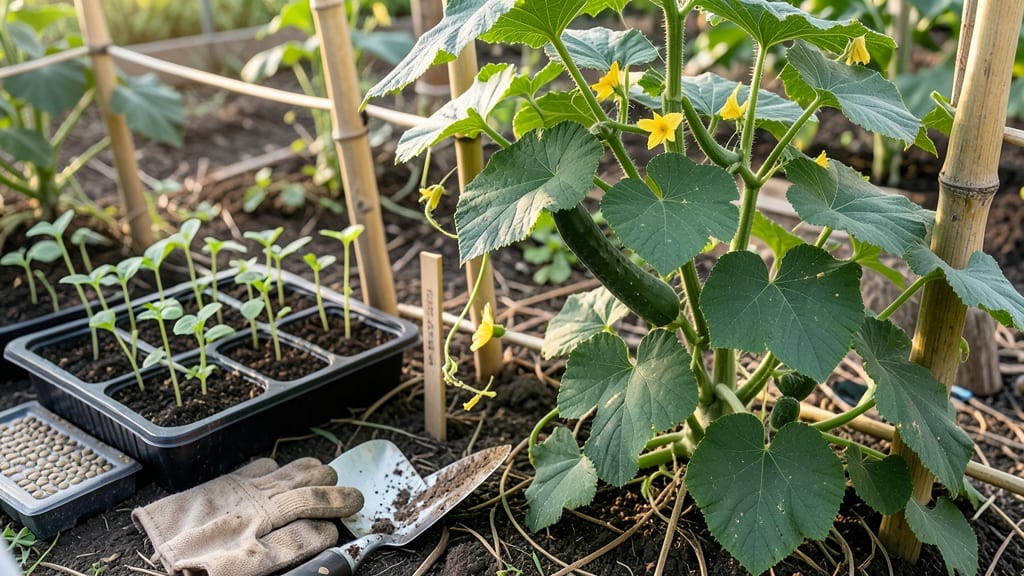
Timing your cucumber planting in New York can mean the difference between a thriving vine 🥒 and a sad, frost-nipped failure. With last frost dates creeping into mid-April and summer heat arriving fast, getting the window just right is the key to a productive harvest.
I’ve seen too many gardeners rush planting because they’re eager for fresh veggies, only to watch their seedlings wilt when nighttime temperatures dip. The secret? Wait until the soil warms to at least 60°F—that’s usually late May in most of New York’s USDA Zone 6a regions.
But here’s the game-changer: even if you’re ready to plant, your local microclimate matters. Urban areas like NYC might warm up faster than rural spots, while Long Island’s coastal breezes can delay soil heating.
I’ll break down exactly when to start seeds indoors or transplant seedlings for your specific corner of the state.
Once you’ve got the timing down, we’ll cover how to stretch your growing season with simple tricks—because in New York, every extra week of harvest matters. Let’s get those cucumbers growing strong!
New York planting zones & exact cucumber planting dates by region
New York’s diverse climate zones (USDA 4-7) mean your cucumber planting window varies dramatically—from late April in Western NY to mid-June in the Adirondacks.
Cucumbers are warm-season crops, so timing your plantings to avoid late spring frosts (which can kill seedlings) and summer heat stress (which causes bitter fruit) is critical. Below, I’ve broken down the exact planting windows for New York’s major regions, including seed-starting indoors and transplanting outdoors.
For direct sowing (planting seeds outside), wait until soil temperatures reach at least 60°F—a soil thermometer is your best friend here.
In NYC and Long Island (Zone 7b-8a), this typically aligns with mid-May to early June, while Upstate NY (Zones 5-6) may need to wait until late May or early June.
Pro Tip: Use black plastic mulch to warm soil faster if you’re in a cooler zone. It can shave 1-2 weeks off your planting timeline by raising soil temps by 5-10°F. I’ve seen it make the difference between a failed crop and a bountiful harvest in years with unpredictable springs.
| Region | USDA Zone | Last Frost Date | Ideal Planting Window | Notes |
|---|---|---|---|---|
| NYC & Long Island | 7b-8a | April 15-May 1 | Direct sow: May 15-June 15 Transplant: April 20-May 10 (start indoors) |
Urban heat island effect delays frost |
| Hudson Valley | 6a-6b | April 20-May 5 | Direct sow: May 20-June 10 Transplant: April 25-May 15 |
Lake-effect cooling can delay planting |
| Western NY (Rochester, Buffalo) | 5b-6a | May 1-15 | Direct sow: June 1-15 Transplant: May 1-May 10 |
Cooler nights require row covers |
| Adirondacks & Northern NY | 4a-5a | May 15-30 | Direct sow: June 15-July 1 Transplant: May 15-June 1 |
Short season—opt for bush varieties |
If you’re starting seeds indoors (which I recommend for northern NY gardeners), begin 4-6 weeks before your last frost date. For example, in Zone 5 (Western NY), that means early April—use grow lights since natural light is still weak.
Seedlings need 12-14 hours of light daily to avoid leggy, weak plants that’ll struggle when transplanted.
For transplants, harden off seedlings 7-10 days before moving them outside. This means gradually exposing them to outdoor conditions (wind, sun, temperature fluctuations) to prevent transplant shock. I’ve lost more cucumber plants to sudden temperature swings than to frost—don’t skip this step!
One common mistake I see is planting cucumbers too early in warmer microclimates (like NYC rooftops). While the last frost may have passed, soil temps might still be too cold (below 55°F).
Use a soil thermometer to confirm—cucumber seeds won’t germinate below 60°F, and seedlings will rot in cold, wet soil.
For container gardening (common in NYC), choose bush varieties like ‘Bush Champion’ or ‘Spacemaster’—they thrive in 5-gallon pots and mature faster than vining types. Plant after May 15 in containers, as they warm up more slowly than in-ground soil.
Add compost to the potting mix to improve drainage and fertility.
Remember: Cucumbers grow fastest when soil temps are between 70-90°F
How to calculate your local frost dates & adjust for cucumber success
New York’s frost dates can vary by 1-2 weeks between regions, making it critical to verify your local averages. Cucumbers, as warm-season crops, need soil temperatures of at least 55°F and air temperatures consistently above 60°F.
Using historical data from the NOAA or USDA Plant Hardiness Zone Map, you can pinpoint your exact last frost date—NYC typically sees theirs around April 15, while upstate areas like Buffalo may wait until May 1.
Start by checking your USDA zone (NY ranges from 4a-7a) and then cross-reference with your county’s average last frost date. For example, Long Island often has a 2-week earlier frost date than Western NY due to lake effects.
Plant cucumbers 2-3 weeks after your last frost date to ensure they’re established before summer heat arrives.
⚠️ Warning: Microclimates Matter!
Urban areas like NYC can be 5-10°F warmer than rural zones, delaying frost. Conversely, high-elevation spots (e.g., Catskills) may frost 2 weeks later. Use a minimum thermometer to track your soil temperature—cucumbers won’t thrive below 60°F.
For extended growing seasons, monitor first frost dates in October (NY’s average is October 15 but can vary). If you’re in Zone 5 or 6, consider row covers or black plastic mulch to push harvests into late September.
Varieties like ‘Northern Pickling’ tolerate cooler temps better than ‘Straight Eight’, making them ideal for shorter seasons.
Adjust your planting schedule based on soil temperature trends. Use a soil thermometer to confirm readiness—cucumbers need consistent warmth to germinate. If your soil is below 60°F in May, wait until early June to avoid stunted growth. Patience here pays off with healthier vines and better yields.
Pro tip: Plant bush cucumbers (like ‘Bush Champion’) in containers for flexibility—move them to sheltered spots if frost threatens. For vining varieties, use trellises to save space and improve airflow, reducing disease risk in humid NY summers.
Remember, succession planting every 2 weeks after your initial date ensures a continuous harvest until frost. Track your progress with a garden journal to refine your timing each year—NY’s unpredictable weather rewards those who adapt!